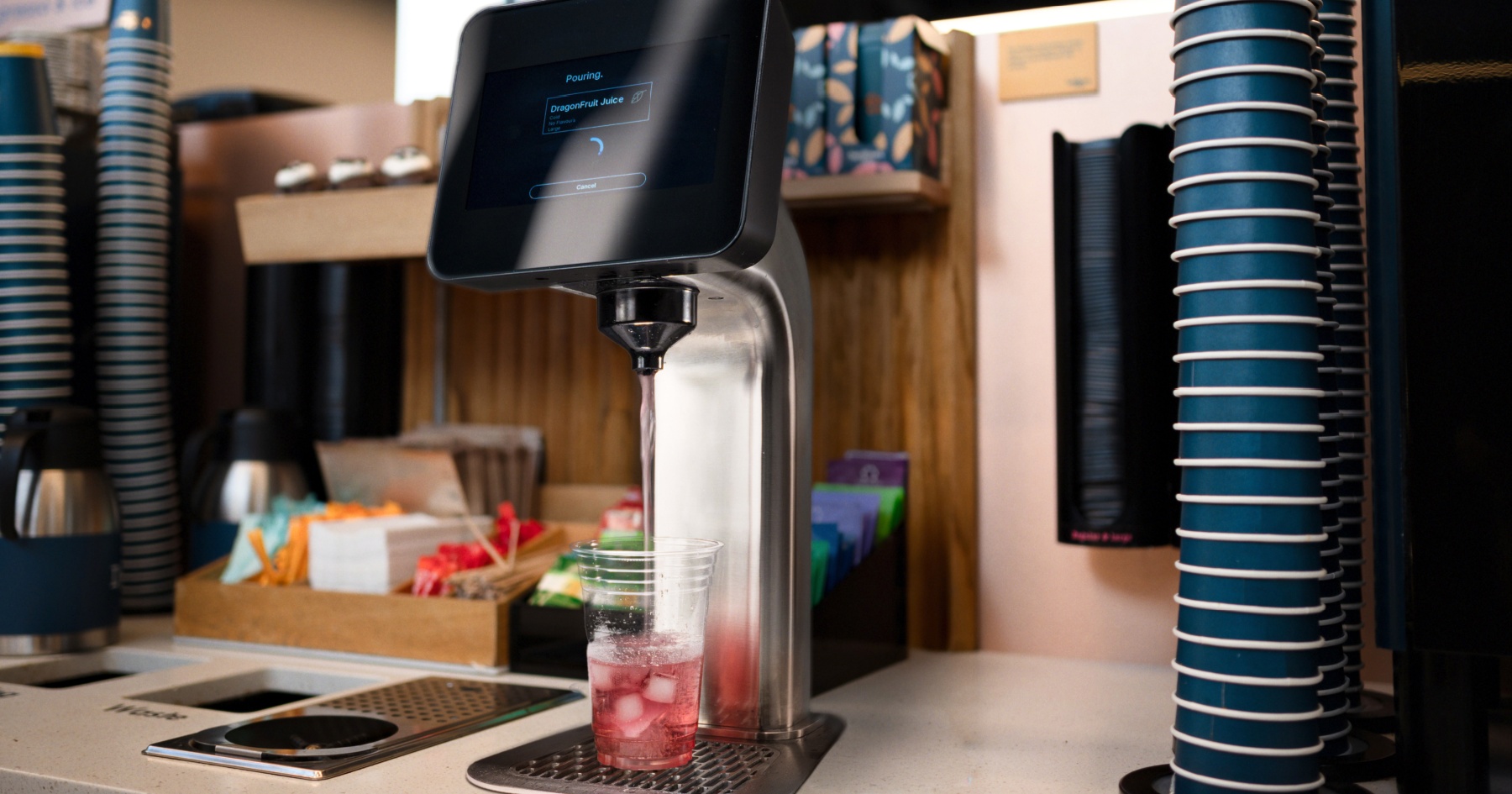

The Sypp machine from Marco Beverage Systems specializes in refreshers. | Photo courtesy of Middleby Corp.
Phil McKee, known as an “oven guy,” entered the culinary equipment scene with a transformative invention in the early 1990s: the TurboChef, a high-speed ventless oven that changed foodservice in cafes and convenience stores. Over the years, he has expanded his repertoire to include various cooking equipment, such as Ovention conveyor-belt ovens. However, he has recently found a new passion—beverage solutions.
This shift was largely customer-driven.
“For 30 years, we were engaged in what I call ‘technology push,’ where we would invent something and then bring it to market,” McKee explained. “But beverages are a different story; we’ve been pulled into this sector because our clients are expressing a desire for innovations that traditional equipment manufacturers have yet to provide.”
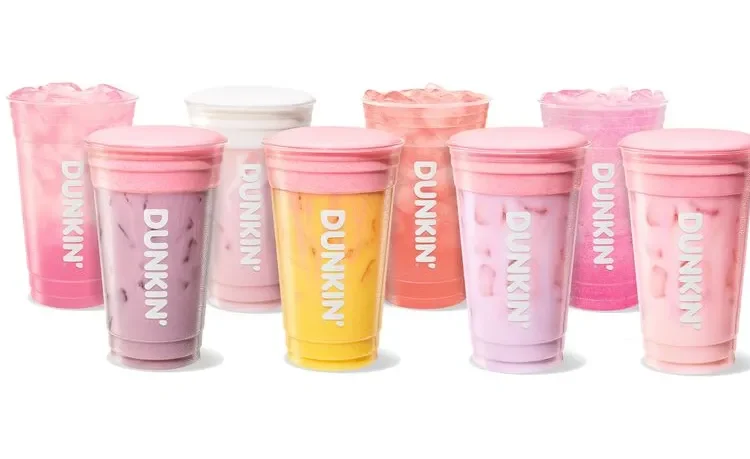
Currently, beverages represent one of the most dynamic segments of the restaurant industry. The market is fueled by a growing interest in inventive drinks, such as dirty sodas, refreshers, blended coffees, and more.
The signs are undeniable. Specialty beverage chains like Dutch Bros, 7 Brew, and Swig are flourishing, while established brands like Chick-fil-A and Taco Bell are launching their own drink-centric concepts. Moreover, classic chains like Perkins have begun serving boba.
However, this new wave of beverages presents specific operational challenges for restaurants. These drinks are inherently more complex to prepare than standard offerings like coffee or soft drinks, often requiring multiple ingredients and customization.
“Craft beverage production is quite labor-intensive,” noted James Pool, chief technology and operations officer for Middleby Corp. “Operators often fill cups from gallon containers of juice, adding various flavors to create a unique beverage.”
“This manual method lacks precision, which is unacceptable when compared to other kitchen operations,” he added.
For restaurant brands eager to dive into the beverage trend, traditional soda fountains are quickly becoming insufficient. Some are seeking assistance from their equipment suppliers.

QuikTrip’s new tea machines allow for more customization. | Photo courtesy of Appliance Innovation
For McKee, one key collaborator has been QuikTrip (QT), a convenience store chain renowned for its tea offerings, featuring six brewing machines and 12 urns with sweetened and unsweetened tea—both hot and cold—at every location.
QT faced a particular issue: brewed tea has a short shelf life. As it sits in an urn, it cools, creating an environment for microbes that can render the tea stale. This led to considerable waste and extra work for staff.
To tackle this problem, McKee and his team at Appliance Innovation dedicated years to developing an innovative brewing and dispensing system that preserves tea freshness for days. The result is SimpliciTea, a machine that cools brewed concentrate rapidly to impede microbial growth. This concentrate is stored at 40 degrees and dispensed fresh when ordered.
Additionally, the machine monitors tea supplies and brews more when needed, while also performing self-cleaning weekly, lightening the workload for employees.
With a user-friendly touchscreen display, customers can easily customize their beverages with various flavors and sweeteners.
“Now, consumers can mix and match to create their own drinks, as opposed to being limited to what’s in the urn,” McKee explained.
QT is currently midway through rolling out SimpliciTea across its 1,200 locations, with Appliance Innovation also offering a smaller version tailored for other operators.
Meanwhile, QT was not the only convenience store giant seeking to enhance its beverage offerings. Around the same time, 7-Eleven approached McKee with its own beverage-related inquiry.
“They noted, ‘We’ve fallen behind in coffee. We used to be the go-to source for morning coffee, but Starbucks has taken a significant chunk of our business,’” McKee recalled. “While they experimented with specialty coffee equipment, it was too cumbersome for their busy operators.”
In response, 7-Eleven inquired, “Can you help us figure this out?”
The solution became COFU, short for Coffee of the Future. This machine is designed to create barista-quality coffee drinks, including hot and iced coffee, lattes, and cold brews, all in a compact size. Like SimpliciTea, it allows for extensive customization and features a barcode printer for managing add-ons and extra charges. Currently, 7-Eleven is testing COFU in approximately 13 locations in Dallas.
“Young customers are vocal about their expectations: they want what they want, how they want it, when they want it, and where they want it,” McKee stated. “‘The foodservice equipment industry needs to keep up with these demands.’”
A similar narrative is unfolding at Dallas-based Middleby Corp., which now owns TurboChef and numerous other equipment brands. The company has collaborated with Yum Brands, Taco Bell’s parent company, to create a cutting-edge beverage dispenser known as FizzBot.
FizzBot features a proprietary valve system that enables quick swapping of different products, unlike traditional valves that require calibration for each drink and ongoing maintenance. This flexibility allows restaurants to easily switch between offering soda one day, juices the next, and even cocktails at a later date, according to Pool.
This capability is particularly valuable for brands like Taco Bell and KFC, allowing them to swiftly introduce new seasonal beverages across all locations.
“Traditionally, adding a new flavor could take six to nine months due to the need for manual adjustments across all machines,” Pool explained.
FizzBot automates the process, connecting to the restaurant’s POS system to start drink production instantly upon order, managing cup filling and ice dispensing. It also features cup-sealing capabilities, which are critical for delivery orders.
“The cup-sealing feature is generating excitement among customers eager to resume selling beverages for delivery,” Pool noted. “They’ve had reservations about using traditional soda cups for this purpose.”
Although FizzBot was designed in partnership with Yum, it will also be available to other brands, Pool indicated.
 The Gravity dispenser from Newton. | Photo courtesy of Middleby Corp.
Through its Newton brand, Middleby introduces a similar machine known as Gravity, which employs the same valve technology as FizzBot but without the POS integration. Gravity can offer up to 48 different beverages, syrups, and flavors—“anything viscous,” as Pool puts it—enabling both customers and operators to mix their own drinks, including specialty beverages like dirty sodas. It is designed to replace traditional self-service soda fountains.
Additionally, Marco Beverage Systems has developed a third innovative product aimed at the refreshing drink market. Named Sypp, this machine can hold up to eight different syrups or ingredients and produces customized drinks at the press of a button.
“I view these platforms as the first truly future-proof beverage machines introduced to the market,” Pool said, citing their versatility in dispensing almost any type of liquid. “This could very well be the last beverage dispenser you buy before it eventually wears out.”
Key Takeaways
- Phil McKee transitions from cooking equipment to beverage solutions.
- Beverage innovation is driven by customer demand for unique drinks.
- Operational challenges arise from the complexity of crafting specialized beverages.
- New machines like SimpliciTea and COFU improve beverage preparation efficiency.
- Modern dispensers like FizzBot and Gravity offer flexibility in product offerings.
FAQ
What types of beverages can the SimpliciTea machine prepare?
The SimpliciTea machine is designed to brew and dispense a variety of teas, allowing for both sweetened and unsweetened options.
How does the FizzBot enhance drink offerings?
The FizzBot allows for rapid product changes and automates beverage preparation, including ice filling and cup sealing for delivery orders.
What is the significance of customization in modern beverage machines?
Customization meets consumer demands for specific flavors and drink preferences, enhancing the overall customer experience.
In summary, the beverage landscape in the restaurant industry is evolving rapidly. With the introduction of innovative machines that enhance freshness and customization, brands are better equipped to meet the growing demand for unique beverage experiences.