

As the focus on fiber and protein intensifies, it’s crucial to pay attention to other essential nutrients as well. Magnesium is currently receiving significant attention, and rightly so. This mineral plays a vital role in brain health, enhances nerve and muscle functionality, and is beneficial for stress relief. With all these advantages, it might seem that consuming magnesium in large quantities would be harmless. However, it’s important to note that too much of this nutrient can have negative effects.
While many adults do not meet their magnesium needs, the solution is straightforward. You can find magnesium in various foods such as nuts, seeds, legumes, whole grains, low-fat dairy products, leafy greens, and even water. According to Harvard Health Publishing, a well-rounded diet should provide the recommended intake of 320 milligrams per day for women and 420 milligrams for men. The risk of excessive intake typically arises from supplements. When a strawberry and apricot parfait fails to aid your sleep, it’s tempting to rely on magnesium capsules for relief. However, if you’re already obtaining sufficient magnesium through your diet, additional supplementation can lead to magnesium toxicity, also known as hypermagnesemia.
The National Institute of Health advises that adults limit their intake of supplemental magnesium to no more than 350 milligrams per day. Although it’s uncommon, excessive supplementation can result in symptoms such as nausea, diarrhea, abdominal cramps, breathing difficulties, irregular heartbeat, and even cardiac arrest. Individuals with kidney, heart, or gastrointestinal issues, as well as the elderly, are particularly vulnerable to hypermagnesemia as certain medications may increase magnesium levels.
How to Naturally Increase Your Magnesium Intake
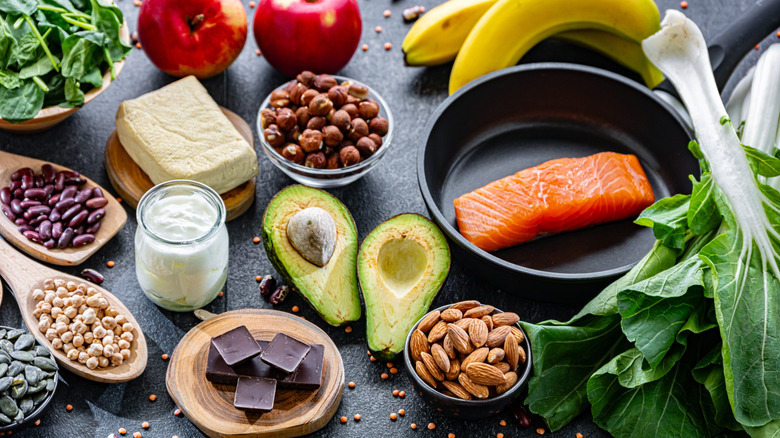
In general, healthcare professionals recommend obtaining essential vitamins and nutrients through food rather than relying on supplements. Unless dietary restrictions apply, increasing your magnesium intake can be achieved with well-balanced meals. Importantly, a diet rich in magnesium is unlikely to lead to hypermagnesemia, whereas supplements can.
Magnesium, particularly in the form of magnesium glycinate, is known for its stress-relieving and relaxation properties. This compound pairs magnesium with the amino acid glycine, which enhances sleep quality. Therefore, meals that include both these ingredients, like Thai larb-style turkey lettuce wraps, are ideal. Leafy greens are great sources of magnesium, while turkey and other collagen-rich foods are abundant in glycine.
A green smoothie can also serve as an excellent source of magnesium. If you’re using magnesium citrate to support digestive health or nerve and muscle function, incorporate citrus fruits into your smoothie. This supplement combines magnesium with citric acid, found in oranges, lemons, tangerines, and even berries, pineapples, and stone fruits. Leafy greens like kale and spinach, along with soy milk and coconut water, also contribute to your magnesium intake.
### Conclusion
In summary, while magnesium is vital for overall health, it’s essential to balance your intake. Focusing on whole foods can enhance your magnesium levels without the risks associated with supplementation. Always consider consulting with a healthcare professional to determine the best approach for your personal health needs.


