As the world embraces a growing elderly population, it’s becoming increasingly important to prioritize health and fitness for seniors. A striking example comes from Shanghai, where 84-year-old Cao Jin’gen showcases a proactive approach to staying fit with his daily exercise routine.
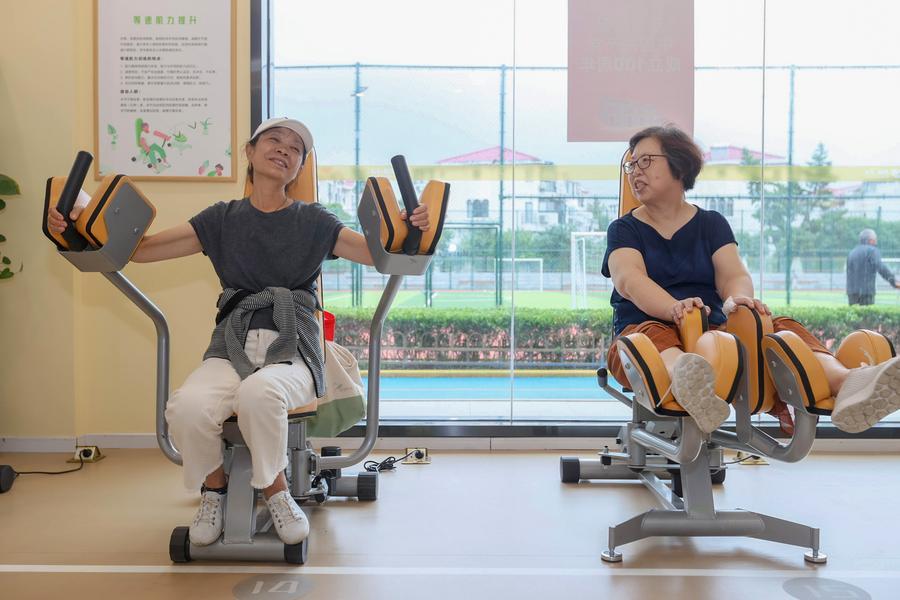
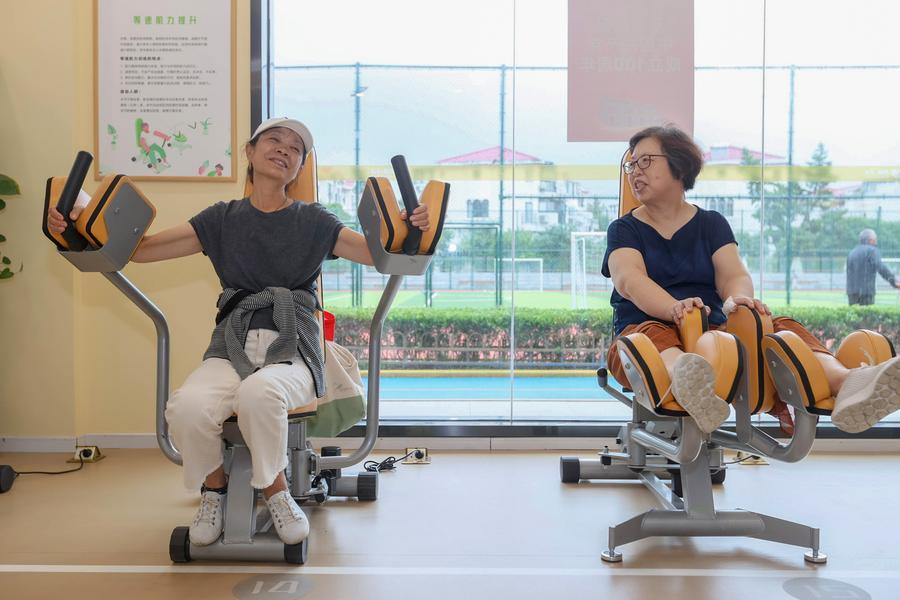
Instead of traditional workout settings like parks or gyms, Cao prefers a specialized fitness center equipped with vibration platforms designed specifically for older adults in the Qingpu District. This innovative approach emphasizes safety and comfort, with equipment thoughtfully modified for seniors’ needs.
With China witnessing a rapid aging population, wellness programs tailored for seniors are becoming an essential part of maintaining their dignity, purpose, and health. In light of this, physical fitness has emerged as a key focus, reflecting trends in both public policy and private business.
A 2024 report on China’s silver economy estimates that spending on senior fitness will surpass 800 billion yuan (around 115.56 billion U.S. dollars) by 2030, showcasing a burgeoning market that is still exploring sustainable models.
RISING DEMAND, RESHAPED SUPPLY
Cao frequents the Qingpu Elderly Health Center, part of a growing network dedicated to fitness for seniors. After being diagnosed with a heart valve condition, he opts for low-impact exercises tailored to his abilities, such as utilizing a vertical vibration platform. This not only aids in circulation but also mitigates fall risks.
“I spend fifteen minutes on the vibration platform twice a day, followed by relaxation on a vibration sofa,” says Cao. “This routine has become just as vital to me as my morning tea.”
Nearby, 65-year-old Xie Guiping uses an intelligent scapular trainer to stretch his shoulders. Living with hypertension and diabetes, he dedicates two to three hours each day to supervised exercise, having seen marked improvements in his health over four years.
Shanghai alone has established 200 elderly sports and health centers, all adhering to standardized designs that incorporate user-friendly equipment and certified staff in community sports and emergency first aid.
“Elderly fitness is a specialized field that blends geriatrics, sports rehabilitation, ergonomics, and psychology,” explains Zheng Yongjun, director of the Pain Department at Huadong Hospital. “Given the prevalence of chronic conditions among seniors, personalized fitness programs are crucial.”
NEW ENGINE FOR SILVER ECONOMY
The growth of fitness among seniors is also invigorating related industries, including equipment manufacturing and digital health innovations. For instance, Shangti Health Technology, initially a standard fitness supplier, pivoted towards promoting elderly health in 2014 and now operates over 100 facilities nationwide.
The company’s age-friendly machines balance safety with effectiveness, appealing to a niche market. Their recumbent exercise bikes feature widened seats and lumbar support, while walking machines have a minimal starting speed of 0.1 kilometers per hour for added comfort.
“Currently, our center facilitates around 17,000 visits annually, with about 50 to 60 seniors exercising daily,” says Zhang Shuhong, manager of the Qingpu Elderly Sports and Health Center.
The impact of these centers extends beyond physical activity alone. In Yangpu District, for example, innovative models connect fitness centers with community clinics, allowing healthcare providers to prescribe exercise as a part of treatment for mild chronic conditions.
Data reveal a 28% improvement in blood sugar control among diabetic seniors through this integrated approach, easing the strain on medical insurance systems.
BARRIERS TO THE BOOM
Despite the enthusiasm surrounding senior fitness, the sector faces significant challenges. Limited financial willingness among seniors to invest in professional fitness services, as well as a lack of skilled professionals, hinder growth. Many older adults remain hesitant to pay for advanced fitness programs, relying heavily on government subsidies to sustain operations.
Additionally, mainstream gyms often see elderly clients as liabilities rather than opportunities. Some fitness centers, primarily in Shanghai’s Xuhui District, refuse to admit those over 70, citing safety and financial reasons.
The need for specialized knowledge in fields such as sports science, geriatric medicine, and psychology is another barrier. With universities slow to adapt their curricula and lack of formal training pathways, many practitioners deliver inconsistent services.
“Addressing these concerns will require collective efforts,” states Yin Zhigang, head of the expert advisory committee of the Shanghai elderly care services association. “Government support should remain consistent and families should be encouraged to invest in their health, fostering a culture that values fitness in later life.”
Conclusion:
Prioritizing fitness in older age is essential for enhancing quality of life and health. By adapting exercise programs to meet the unique needs of seniors, we can not only mitigate health issues but also promote active living. It’s vital for individuals, families, community leaders, and policymakers to collaborate in fostering environments where seniors can thrive through fitness, leading to healthier and more active communities overall. Remember, it’s never too late to start exercising and take charge of your health!