NASHVILLE, Tenn. (AP) — Social media platforms are overflowing with influencers sharing their evaluations of electrolyte supplements, with some even providing homemade recipes. However, experts advise caution, stating that many of the health claims surrounding these drinks may not hold much weight.
Electrolytes are charged particles that play a crucial role in regulating chemical processes within the body. According to Julia Zumpano, a registered dietitian at the Cleveland Clinic, they are essential for maintaining the balance of fluids within and outside cells during hydration.
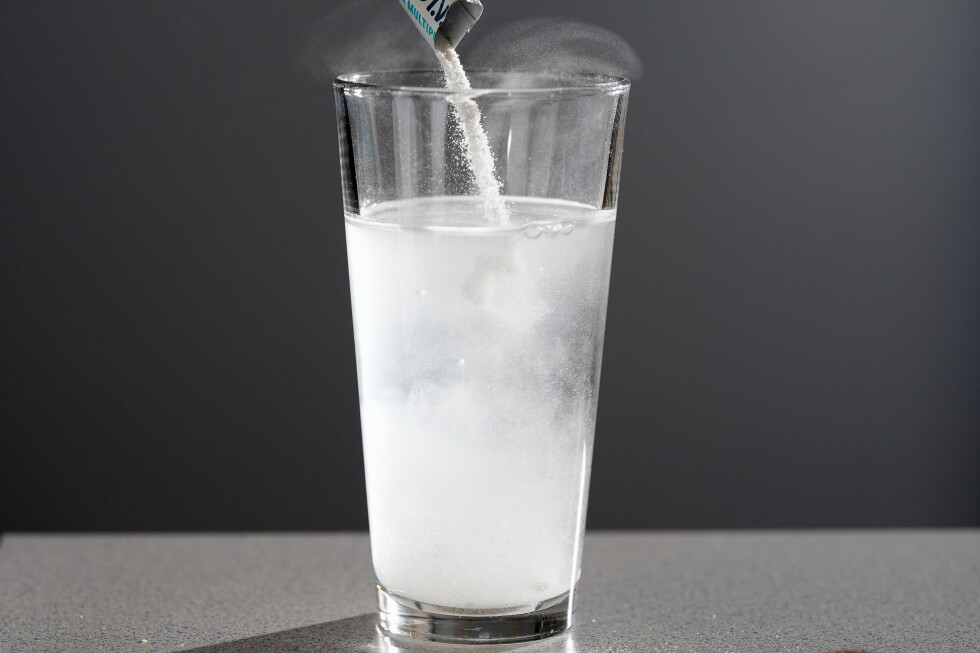
We naturally lose electrolytes through sweat, primarily sodium chloride, which is commonly found in table salt. Drinking excessive amounts of plain water while sweating heavily can further dilute sodium levels in the body, leading to imbalances. Electrolyte beverages and powders are designed to rehydrate and replenish lost salts, often containing additional electrolytes like potassium and magnesium, along with some sugar.
Generally, healthy kidneys maintain this balance effectively. Any excess electrolytes are typically excreted through urine, explains Hunter Huston, a nephrologist at Vanderbilt University and consultant for a UK-based electrolyte replacement company targeting endurance athletes.
“Consuming an electrolyte-rich drink solely for health benefits usually doesn’t have much impact,” he notes.
With the surge in popularity of “rapid hydration” and “advanced hydration” drinks, it raises the question: who truly benefits from them, and under what circumstances?
This article is part of AP’s Be Well coverage, focusing on wellness, fitness, diet, and mental health. Read more Be Well.
It All Began with Gatorade
In 1965, at the University of Florida, assistant football coach Dwayne Douglas posed an intriguing question. As Robert Cade, the first kidney researcher at the university, later recounted, Douglas asked, “Doctor, why don’t football players urinate after a game?”
“That question changed everything for us,” Cade recalled.
The answer was clear: players were losing substantial amounts of fluid through sweat. Cade and his team discovered that a football player could shed as much as 18 pounds (8.16 kilograms) during a game, losing not just water but vital sodium and chloride as well, which affected player’s strength and endurance.
Cade devised a salty concoction to replace the lost fluids and salts. Adding sugar enhanced the absorption of sodium in the gut. While the initial mixture made him feel nauseous, a touch of lemon juice improved the flavor somewhat. Soon, however, the team’s enhanced performance was undeniable, particularly in the latter half of games when their opponents began to falter in the humid Florida heat.
Cade, who passed away in 2007, never anticipated that Gatorade would become a staple for consumers.
No One-Size-Fits-All
Despite the growing trend of electrolyte consumption, not everyone needs them for their daily regimen.
A general guideline is that if you are exercising for less than two hours, regular water suffices, according to Huston at Vanderbilt. He mentions that the average healthy individual can comfortably lose around 2% of their body weight through sweat before experiencing noticeable effects, such as increased thirst, fatigue, or cramping.
Individual responses vary, however. Some individuals sweat profusely or have particularly salty sweat.
In high-stakes environments like ultramarathons, athletes often receive expert guidance to assess their sweat levels and tailor their nutrition strategies.
“For those engaged in activities like marathons, where exercise exceeds two hours, it’s vital to consider an effective fluid and electrolyte replacement strategy,” Huston emphasizes.
Aspirational Athletes
Darren Rovell has traced the evolution of sports drinks from a niche product to a mainstream choice. As the author of “First in Thirst: How Gatorade Turned the Science of Sweat Into a Cultural Phenomenon” and an investor in the sports drink Bodyarmor, he recalls his experience as a high school runner. Back then, athletes were advised that the less pleasant taste of Gatorade was a sign of its health benefits. “At a certain point in the nineties, though, it became sweeter,” he says, noting that after PepsiCo acquired the brand in 2001, Gatorade’s presence surged, appearing in everyday places like pizzerias and prompting questions about whether it was just another soda.
Rovell suggests that electrolyte brands often promote the notion that consuming their products will either enhance your athleticism or provide a competitive advantage for those who are already athletes.
“It begins with the aspiration to improve, but we must maintain a level of self-awareness,” he warns.
A Flood of New Options
The current market boasts a highly diverse range of electrolyte supplements, as Patrick Burns, an emergency medicine practitioner at Stanford Health Care and occasional ultramarathon runner, points out. With variations that include some formulas containing five times the sodium of others, consumers should not assume that all products are comparable.
Burns advises caution with potassium supplementation, as excessive intake can be harmful.
Today’s brands frequently offer sugar-free options, yet the glucose in sugar is critical for the rapid absorption of sodium.
“They lack consistency in what they aim to provide,” he notes. “For optimal absorption, a combination of sugar and salt is essential.”
The Bottom Line
“Electrolytes can be beneficial, particularly for those experiencing heavy sweating or engaging in prolonged exercise, but most people do not require them daily, and excessive intake is unnecessary,” explains Zumpano at the Cleveland Clinic.
For a generally healthy individual who is not sweating excessively, these drinks are likely inconsequential—offering no significant benefits and potentially unnecessary added sugars. Mark Segal, a nephrology professor at the University of Florida College of Medicine, states that most people acquire sufficient sodium and potassium through their diet.
As for creating homemade electrolyte powders, experts caution that it’s achievable, but knowledge is crucial. Relying on influencer recipes might be a gamble.
“How can you gauge your precise needs?” Zumpano questions. “There’s a considerable margin for error. I’d recommend steering clear of that.”