The Transformative Power of Fitness Classes: A Journey of Resilience
Fitness is often viewed through the lens of health and physical prowess, but its impact can transcend mere strength. For many, engaging in fitness can foster a sense of empowerment, independence, and improved quality of life. This is exemplified by the inspiring story of Kevin Jenkins, a former bodybuilder whose life took a dramatic turn after a serious health crisis.
A New Beginning for Kevin Jenkins
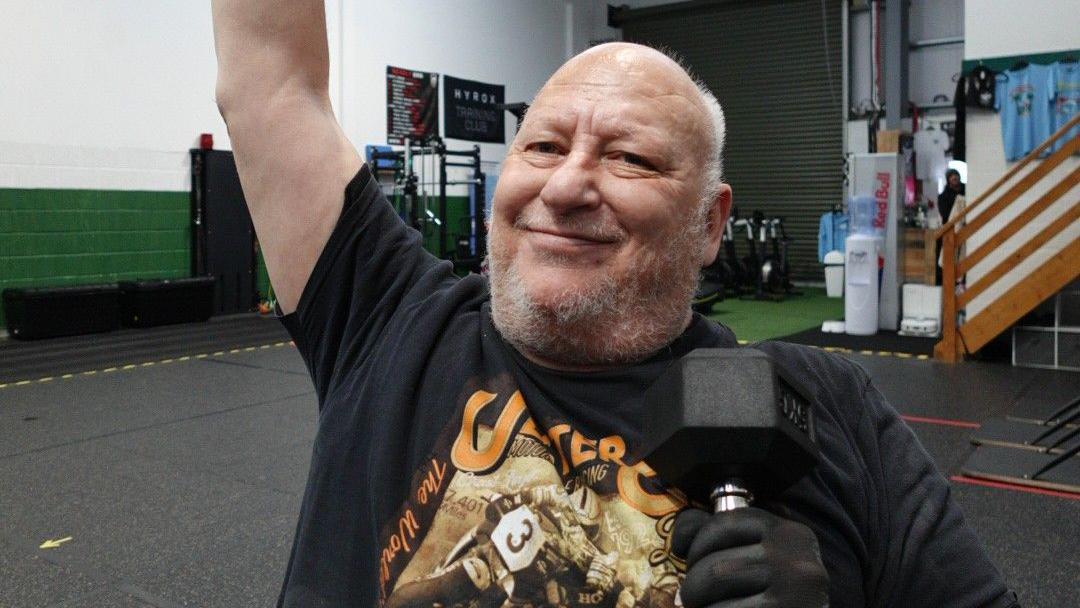
At the age of 62, Kevin Jenkins faced a life-altering event when an aortic dissection in 2023 resulted in paralysis from the waist down. Confined to a wheelchair, he believed that his days of mobility were over. However, after 18 months of NHS physiotherapy, Kevin found a renewed sense of hope by joining a local nonprofit fitness group in Lincoln managed by former army physical trainer Rob Wilkins.
Initially filled with uncertainty, Kevin’s outlook began to change. Through consistent participation in hour-long training sessions, he has not only regained strength but also the ability to maneuver in and out of his wheelchair independently. He shares, “I can now go in my electric wheelchair to the toilet… That has made an amazing difference to my life.”

The Role of Inclusive Movement
Rob Wilkins recognizes the diverse needs of individuals recovering from various injuries. His mission began when he recognized a gap in accessible physical activity opportunities after conducting a gym session for a member with learning difficulties. This led him to establish the Inclusive Movement CIC, which focuses on improving overall physical and mental well-being for all participants.
Rob emphasizes that physical activity does not have to be extreme. “It can be as simple as staying active and moving your body,” he said. His sessions have helped participants like Kevin and others, such as Neil Compton, who have faced challenges due to medical conditions.

The Road to Recovery
Neil, another participant, experienced a motorcycle accident in 2024 that left him with paralysis in his right leg. He remarked, “Everything I did at home when I first came was a struggle… Now I can get up a lot easier.” He is even able to maneuver around a supermarket using a walking frame, something he never thought possible before joining the sessions.
These stories underline the importance of adaptive fitness programs that cater to varying abilities and challenges. Rob’s military background as a rehabilitation instructor has equipped him with the knowledge to create an inclusive environment that fosters gradual progress and confidence among his clients.
Conclusion
Fitness doesn’t have to fit a particular mold or standard; it can be unique and adaptable to individual needs. As demonstrated by Kevin and Neil’s journeys, participating in fitness classes can significantly enhance one’s strength, independence, and overall quality of life.
If you’re looking to improve your physical health or search for a supportive community, consider exploring local fitness programs that accommodate all levels. Remember, every step counts, no matter how small. Embrace the journey of movement, and you may find it transforms your life in unexpected ways.