
Raising Awareness for Protein Intake in Bengaluru
Despite the growing discussion surrounding protein in Bengaluru’s dietary conversations, actual intake levels are disappointingly low. The city is witnessing a surge in awareness regarding the importance of protein, yet many residents struggle to incorporate enough of it into their meals. This article delves into the current situation and the efforts being made to bridge this nutritional gap.
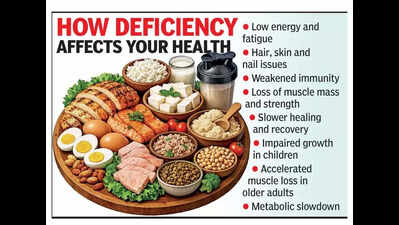
The Karnataka Poultry Farmers and Breeders Association (KPFBA) has recently initiated an awareness campaign leading up to World Protein Day, celebrated on February 27. Sreejith S, the executive secretary of KPFBA, highlighted the widespread issue of protein deficiency throughout India, including Karnataka. “The recommended intake is one gram of protein per kilogram of body weight, yet we lack a conscious effort from consumers to meet this goal,” he noted. Many individuals do not monitor their nutritional consumption, which hinders progress.
Sreejith emphasized the benefit of incorporating chicken and eggs as reliable sources of lean protein. He pointed out that even habitual meat eaters often consume it irregularly, which doesn’t support long-term health and wellness. “Some individuals consume large quantities of meat just once or twice a week, which is insufficient. Our aim is to foster awareness for both vegetarians and non-vegetarians, encouraging them to meet their daily protein requirements through diverse food sources,” he added.
Further insights from local dieticians and nutritionists indicate a similar trend. Though more people are now discussing the importance of protein, this awareness hasn’t translated into consistent dietary changes. Aayesha Parveen, a consultant nutritionist at Kinder Women’s Hospital, remarked that while individuals are increasingly adding protein-rich foods such as eggs, paneer, and Greek yogurt to their diets—often spurred by fitness trends—many still fail to consistently meet their daily protein needs across meals.
Challenges in Achieving Adequate Protein Intake
Experts point out that the predominant carbohydrate-heavy Indian diet contributes to widespread protein deficiency. Edwina Raj, head of services for clinical nutrition and dietetics at Aster CMI Hospital, noted that individuals living in hostels or relying heavily on outside food face even greater challenges in meeting their protein needs. She recommends including at least one protein source—be it paneer, dal, tofu, meat, or eggs—in every meal, while also emphasizing the importance of a balanced nutrient profile that includes fiber and healthy fats.
For those who find it difficult to meet their protein needs through food alone, dietitians suggest considering plant-based or whey protein supplements as a viable addition to their diet. However, they caution that these supplements should not replace regular meals and should be used in moderation.
Cost remains a significant barrier for many seeking to boost their protein intake. Chandu M, a resident of Basavanagudi, shared his experience: “As an active individual who exercises daily, I aim for about 140 grams of protein a day, which costs me around Rs 235 daily, adding up to over Rs 7,000 a month.” This highlights the financial challenge many face in achieving an adequate protein intake.
Conclusion
As awareness of protein’s importance increases in Bengaluru, efforts such as those by KPFBA are crucial in educating the public about proper nutrition. While many residents are becoming more informed, actual protein consumption needs to improve to ensure better health outcomes. Addressing dietary patterns, affordability, and accessibility will be essential in overcoming the current protein intake challenges faced by the community.


