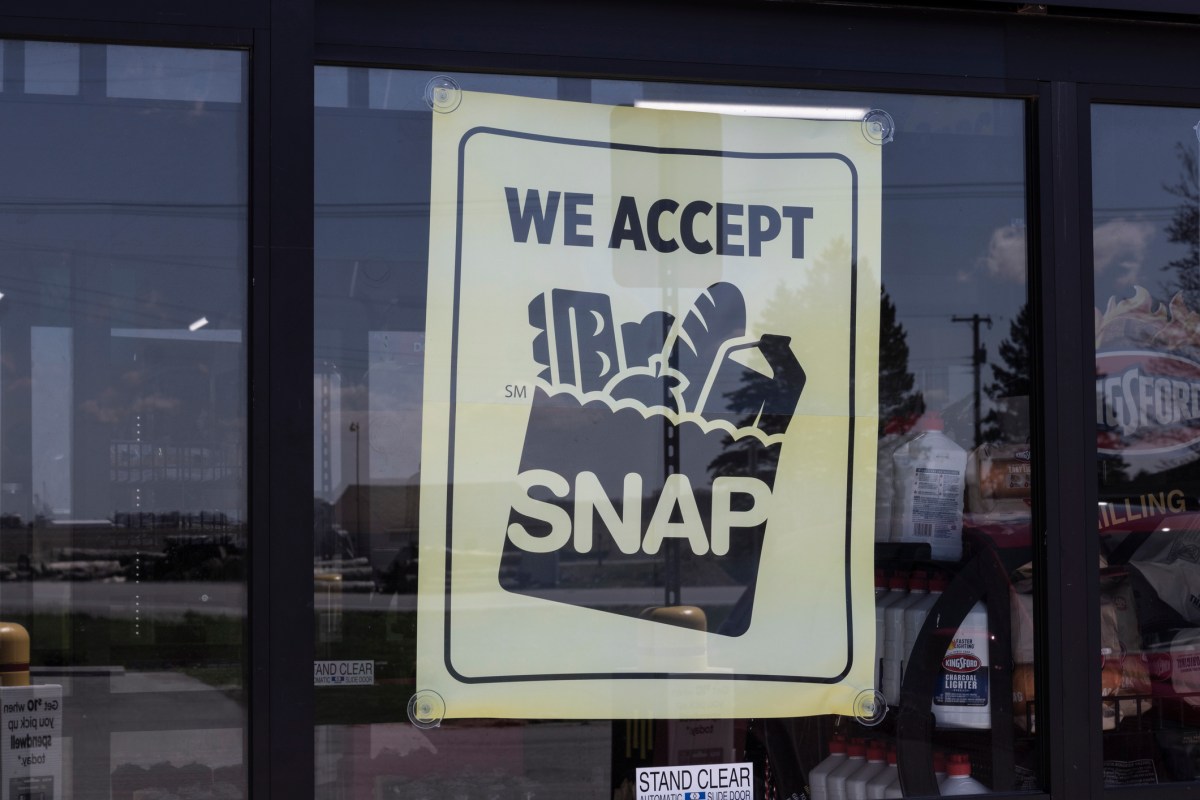
Indiana lawmakers have moved forward with a Republican-backed bill aimed at tightening eligibility, verification, and purchasing regulations for the Supplemental Nutrition Assistance Program (SNAP). This legislation includes a statewide prohibition on using benefits to purchase candy and soft drinks.
Senate Bill 1 seeks to eliminate expanded categorical eligibility for SNAP, enhance immigration-status verification, increase ongoing eligibility checks, and enforce a ban on purchasing candy and beverages with SNAP benefits.
Why It Matters
Modifications to SNAP rules can significantly impact access to food assistance for low-income households. Stricter verification and asset tests could result in individuals losing benefits if they can no longer fulfill the requirements. According to the U.S. Department of Agriculture (USDA), which supervises the program, there are approximately 559,000 SNAP recipients in Indiana.
Indiana has already introduced a federal waiver restricting SNAP purchases of soft drinks and candy, effective January 1, 2026. This legislation would codify that policy into state law.
What To Know
The Indiana House approved Senate Bill 1 with a 62-31 vote and sent it back to the Senate for a final decision after adjustments. All Democrats opposed the bill, along with four Republicans. More than 80 advocacy organizations in the state have expressed their disapproval of this legislation.
The proposed measures would end Indiana’s expanded categorical eligibility for SNAP, which currently allows some households to qualify based on their participation in other assistance programs. It would necessitate more frequent verification of SNAP recipients’ eligibility, tightening work and income requirements.
Additionally, the legislation would mandate the state’s Family and Social Services Administration to verify the immigration status of SNAP applicants and to share relevant identifying and eligibility information with federal authorities if the status cannot be confirmed.
Similar changes would also be implemented for Medicaid eligibility, increasing the frequency of Medicaid redeterminations and establishing documentation requirements for work obligations.

What People Are Saying
Republican State Representative Brad Barrett, the bill’s House sponsor, stated: “We have a system that we have created for the poor and needy in our community, and we want that system to be sustainable. Some people say it’s not enough. Others believe it goes too far. In reality, I see this as an effort to maintain the sustainability of a program.”
Democratic State Representative Robin Shackleford remarked: “When I went to apply for food stamps, they required us to show 20 hours across at least two paychecks, which I struggled to do consistently due to a lack of job opportunities—not from a lack of effort.”
A coalition of more than 80 organizations expressed their concerns in a letter dated February 13: “Senate Bill 1 creates unnecessary barriers for families at risk of hunger and in need of healthcare. With food insecurity on the rise among Hoosiers, mounting medical debt, and escalating healthcare costs, Senate Bill 1 only complicates access to necessary support by eliminating flexibility and imposing new burdens on program applicants—without considering the needs of Hoosiers and our communities.”
What Happens Next
The bill is set to return to the Indiana Senate for a concurrence vote on the changes made in the House before moving to the governor for approval.
Should it be enacted, state agencies will begin implementing stricter eligibility checks and purchasing restrictions for SNAP, as already permitted by the federal waiver, while also expanding immigration verification procedures as outlined in the bill.
Key Takeaways
- Senate Bill 1 aims to tighten SNAP eligibility and impose new purchasing rules.
- The bill has faced opposition from more than 80 advocacy groups in Indiana.
- Changes to verification processes may lead to some individuals losing access to benefits.
- The legislation seeks to end expanded categorical eligibility and increase immigration verification.
- Similar changes will apply to Medicaid, affecting health care access.
FAQ
What is the purpose of Senate Bill 1?
Senate Bill 1 aims to tighten eligibility and verification procedures for SNAP and restrict the purchase of certain items like candy and soft drinks.
How will this bill affect SNAP recipients?
This bill may lead to tighter eligibility requirements and could result in some individuals losing access to benefits if they don’t meet the new criteria.
What has been the response to this legislation?
The bill has faced significant opposition from advocacy groups concerned about its impact on food security and healthcare access for low-income families.
What happens next for the bill?
The bill will move back to the Indiana Senate for a vote on House changes before potentially reaching the governor for approval.