Navigating the realm of health and nutrition can be daunting, particularly when trying to determine what to eat for weight loss while still feeling satisfied. This challenge has contributed to the rising popularity of health and nutrition coaches. At its core, a healthy diet hinges on three primary macronutrients: fat, protein, and carbohydrates. However, the appropriate ratios and types of these nutrients for optimal health are often subjects of much debate.
For instance, the common belief over previous decades posited that fat was merely a guilty pleasure, yet it is, in fact, an essential nutrient—some types of fat are incredibly beneficial. The same holds true for protein and nutritious carbohydrates: the body requires all three for optimal functioning and disease defense.
A recent study suggests that certain fats and proteins may enhance longevity and reduce the risk of cardiovascular disease and cancer. Conversely, excessive consumption of certain carbohydrates could lead to detrimental health outcomes.
Published on January 2, 2024, in the journal Nutrients, this research, led by esteemed nutrition and health experts in China, examined over 120 studies with data from more than 5 million individuals aged 19 to 99. The analysis focused on the relationships between the three macronutrients and factors like longevity, cancer, and heart health.
The findings revealed that a diet rich in diverse macronutrient sources was the key factor linked to a longer life.
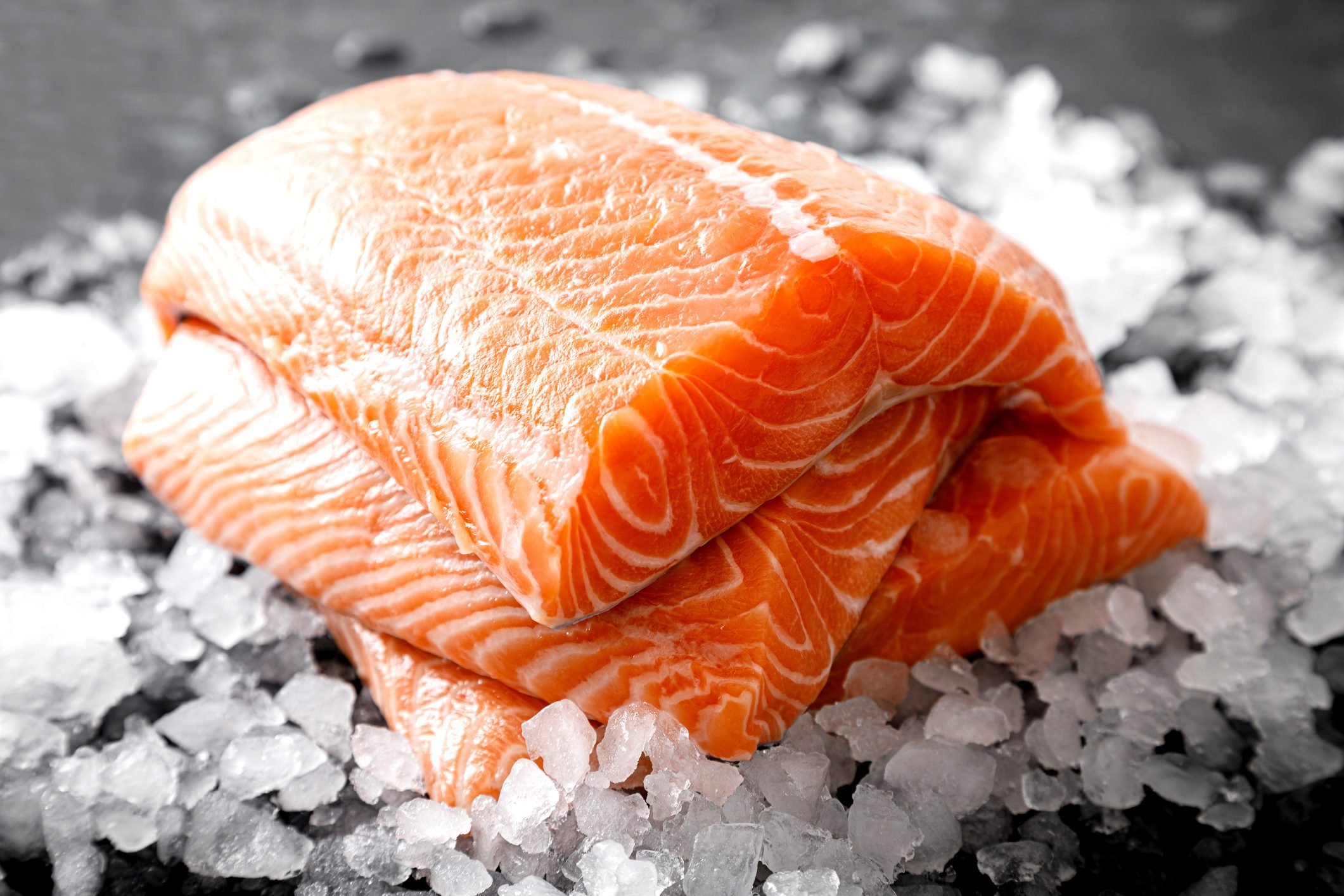
Specifically, the type of fat consumed was less important for longevity than the diversity of fat sources. Unsaturated fats, such as monounsaturated (MUFAs) and polyunsaturated (PUFAs), were generally associated with fewer heart-related issues. Foods like olive oil, nuts, and fatty fish were linked to a potentially longer and healthier life.
In contrast, saturated fats, particularly those from red meat, correlated with poorer outcomes in relation to cancer. Nevertheless, an overall intake of fats appeared to support longevity, provided they came from a variety of sources.
Regarding protein, higher consumption was related to a decreased risk of cardiovascular disease. The researchers posited that the source of protein—whether from plant or animal sources—was likely a crucial factor. While animal protein showed no direct link to overall mortality or cancer, increased intake of animal protein may be associated with cardiovascular disease. Red meat, in particular, posed a significant risk, while fish and poultry were found to confer protective benefits. Plant-based protein sources, such as beans, nuts, and grains, were also linked to lower cardiovascular disease rates.
These Are the 10 ‘Perfect Proteins,’ Says a Nutrition Expert
What added an intriguing element to the study was its perspective on carbohydrates. This broad category encompasses anything starchy or sugary—from fresh fruits, vegetables, and grains to white bread, sweets, and sodas—and its impact on overall health was considerable. “Growing evidence shows that high levels of refined carbohydrates contribute to diabetes, metabolic syndrome, and chronic inflammation, all linked to the progression of cardiovascular disease,” the researchers noted.
A high carbohydrate intake was correlated with a heightened risk of cardiovascular disease mortality, but consuming too few carbohydrates presented its own challenges as well. The researchers concluded that both the type and ratio of carbohydrate intake were critical. Their analysis suggested that a carbohydrate consumption level of approximately 50% to 55% was linked with the lowest mortality risk.
While they emphasized the need for further research on simple versus complex carbohydrates, the authors cautioned against replacing fats with carbs as a healthful recommendation. They remarked, “The World Health Organization’s guidelines recommend decreasing total fat intake in favor of increased carbohydrate consumption. However, the long-term impacts of macronutrients on health outcomes remain incomplete and contradictory.”
Overall, the authors expressed strong conviction that the extensive body of research examined in this study underscored a critical flaw in current dietary guidelines, specifically in suggesting higher carbohydrate consumption. They determined that “balanced nutrient intake is essential within a holistic healthy eating framework,” emphasizing the importance of nutrient quality.
Additionally, more studies are required to understand how nutrient quality influences longevity, heart health, and cancer risk. “Most studies tend to report on total nutrient amounts while failing to distinguish the quality of major nutrients. A better understanding of how dietary nutrient quality affects diseases will facilitate the development of public health policies and dietary guidelines,” they concluded.
For individuals striving for healthier eating habits, the implications of this research align with conventional dietary recommendations. Generally, aim to consume sufficient protein, occasionally selecting fish or plant-based options, prefer minimally processed carbohydrates rich in fiber, and rely primarily on unsaturated fats. As always, it is prudent to minimize sugary and processed carbohydrate intake.


