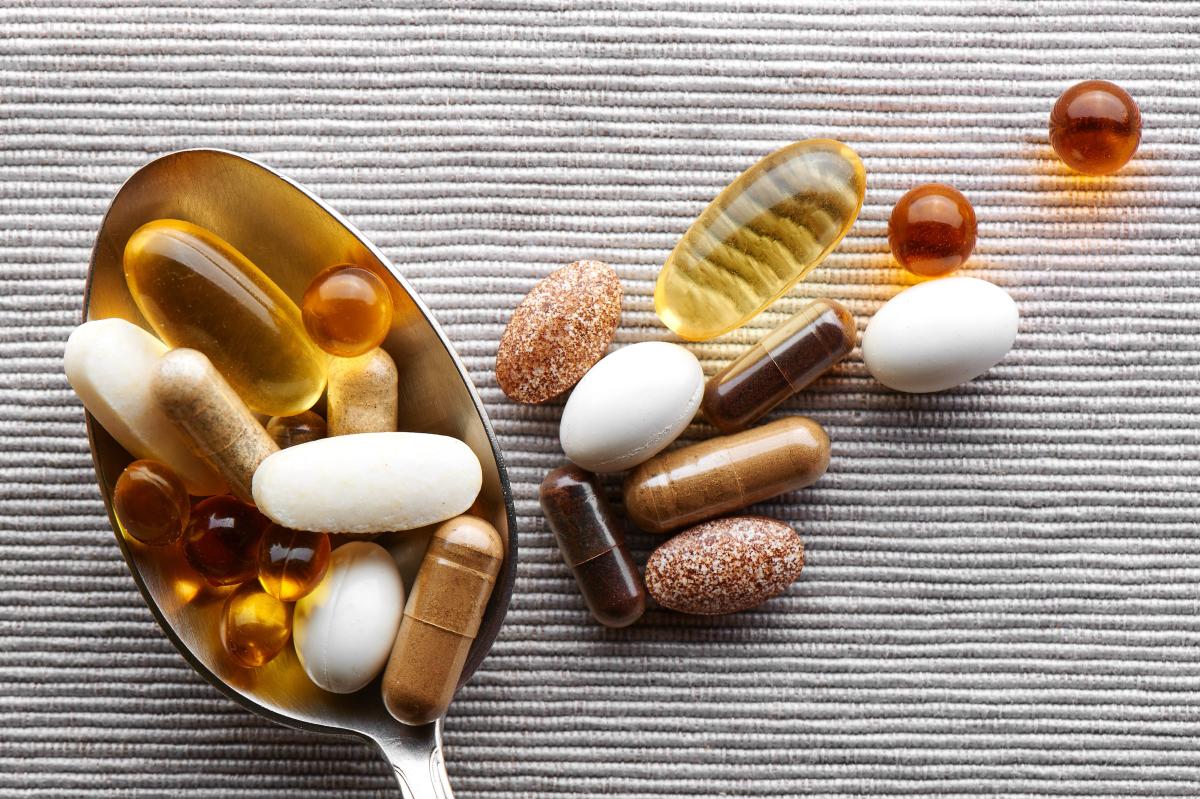
In an era where health advice is often influenced by social media, it’s crucial to approach dietary supplements with caution. While many can offer benefits, not all supplements contribute positively to our health. In fact, incorrect dosages or combinations can lead to significant harm rather than healing.
The growing popularity of TikTok health gurus, influencer-sponsored promotions, and gray market sales has poured fuel on a fire of misinformation regarding dietary supplements—the concentrated forms of vitamins and minerals that we primarily receive from food—and has raised concerns over their long-term safety and effectiveness.
Medical professionals are increasingly paying attention to this issue.
“The emerging consensus from the literature is that indiscriminate supplementation, especially with isolated nutrients at high doses or in unbalanced combinations, may pose more risks than rewards,” stated Dr. Jerold Fleishman, MD, emeritus chief of neurology at MedStar Franklin Square and associate professor at MedStar Georgetown University Hospital in a recent interview with Parade.
“The safest approach remains obtaining nutrients through a balanced diet rather than supplements, with any supplementation strictly controlled by a physician in cases of documented deficiencies.”
Without proper medical guidance, consumers could easily consume excessive amounts of certain nutrients, leading to toxicity. Some combinations are particularly hazardous for brain health, despite being individually relatively safe.
These dangerous combinations can contribute to a range of issues, from premature brain aging to severe cognitive impairments such as memory loss and seizures.
While many supplements can provide benefits when taken alone, it’s generally best to avoid mixing them. Below, we outline some supplement combinations that healthcare providers caution against.
1. 5-HTP + St. John’s Wort
Sometimes, too much of a good thing can be detrimental.
Serotonin syndrome, a serious drug reaction resulting in a harmful accumulation of serotonin in the body, can occur with the improper combination of certain supplements that are often used to treat depression, including St. John’s wort and 5-HTP (5-Hydroxytryptophan).
While serotonin is vital for cellular health and brain function, excessive levels can overwhelm the brain, potentially leading to severe complications, as explained by Cedars-Sinai pharmacy expert Chau Chu.
Mild symptoms may include shivering or diarrhea, whereas severe cases can lead to muscle rigidity, fever, and even seizures; if untreated, they can be fatal, warns the Mayo Clinic.
Memorial Sloan Kettering advises avoiding 5-HTP if you’re already taking other supplements like St. John’s Wort or SAM-e due to their potential impact on serotonin levels.
2. Vitamin E + Fish Oil or Ginkgo
Each of these supplements has its own benefits for heart and brain health. However, when taken together, they can pose serious risks.
All three have anticoagulant properties, which, when combined, can significantly increase the risk of hemorrhagic stroke, contributing to vascular cognitive impairment and chronic memory issues.
Dr. Rob Nawaz Kahn, a neurologist, discussed the dangers of stacking fish oil and ginkgo in a supplement regimen with Parade.
“The most concerning combinations are those that heighten bleeding risks or trigger dangerous stimulation,” he mentioned. “A common risky stack is high-dose fish oil combined with ginkgo, garlic, or turmeric, especially for individuals already taking blood thinners like aspirin, clopidogrel, warfarin, or apixaban, as this can increase bruising and bleeding risks.”
The Cleveland Clinic also emphasizes that excessive intake of vitamin E supplements is hazardous, noting that the body stores vitamin E in tissues and the liver, which complicates the elimination of excess amounts through urine.
An overdose of vitamin E, exceeding 1,000 milligrams (mg) daily, can lead to brain hemorrhages.
3. Copper + Zinc
High doses of zinc can impede the absorption of copper because both nutrients utilize the same absorption pathways in the gut, according to Pieter Cohen, MD, an associate professor of medicine at Harvard Medical School.
A deficiency in copper has been associated with white matter degeneration, leading to cognitive decline (such as memory loss and slowed processing), motor dysfunction (including imbalance and gait problems), and emotional shifts.
However, the solution isn’t to add copper supplements; rather, it’s to reduce zinc intake and keep it within a normal recommended dosage, according to Dr. Cohen’s insights shared with Health.
Most individuals do not need additional supplements, as they typically receive sufficient zinc and copper from their diets. However, there are specific cases where a physician may prescribe both together.
4. Calcium + Iron
While many women are often encouraged to boost their calcium and iron intake, taking these two together can present challenges for brain health.
Similar to zinc’s impact on copper absorption, calcium can inhibit iron absorption when both nutrients are consumed concurrently. Unstable iron levels oscillating between deficiency and excess can create what one physician described as “metabolic noise,” which stresses brain tissue.
This may ultimately contribute to the gradual decline of the brain’s elasticity, a phenomenon some neurologists are now referring to as “supplement-induced accelerated aging.”
In conclusion, while supplements can play a beneficial role in our health, they require careful handling and awareness of their potential interactions. A balanced diet remains the most reliable source of nutrients, and any supplementation should ideally be managed by a healthcare professional. Prioritizing education around proper usage can help ensure that our pursuit of health does not inadvertently lead us down a harmful path.