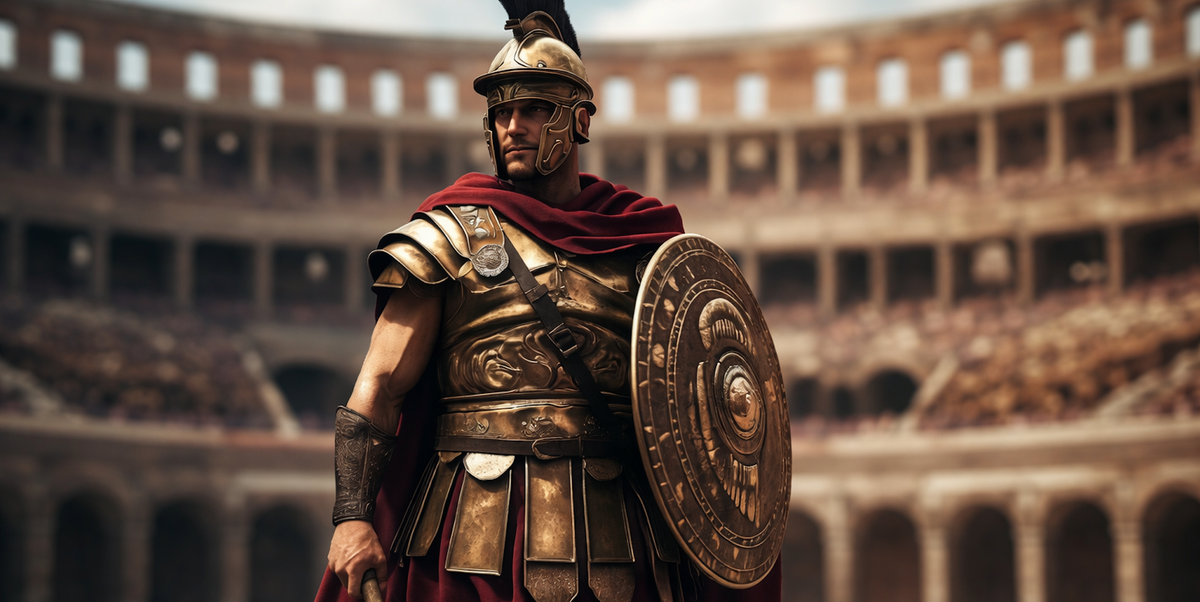
When we strip away the embellishments of ancient history, the role of a Roman legionary can be timelessly relevant; think of it as a precursor to modern fitness regimes that emphasize both endurance and strength. This blend is akin to what today’s fitness enthusiasts refer to as hybrid training: mastering endurance while enduring a physical load, repeating strength demands, and managing multiple challenges without falter.
This is not merely romanticized storytelling fueled by blockbuster movies like Gladiator. Historical texts and modern interpretations reveal the rigorous expectations placed on recruits, uncovering the intensity of their training regimens.
The Loaded March
A pivotal component in Roman military training, as noted by Vegetius, an influential military writer, was the loaded march. According to his standards, recruits were expected to cover 20 miles in five hours at a brisk military pace, or 24 miles at even faster conditions.
To modernize this, that equates to a pace of about 7:46 minutes per kilometer, certainly not leisurely.
The strenuous nature of marching in formation compounded by the heavy load significantly amplifies the challenge. Vegetius notes that a standard pack weighed around 43 Roman pounds (approximately 14kg), but this was just the basic equipment. Reconstructions suggest that when fully kitted, legionaries might have carried loads upwards of 55kg.
This essentially means you might be completing a near-marathon distance while bearing a weight reflective of intense strength, endurance, and determination—a truly formidable challenge.
Thus, it’s clear why strength was deemed more crucial than height in soldier selection.
March, Build or Battle
What’s often overlooked in contemporary rucking plans is that upon reaching their destination, Roman legionaries didn’t simply rest. Instead, they transitioned into building trenches, fortifications, or even engaging in battle.
Ancient texts detail how Roman armies would promptly fortify their camps after lengthy marches, showcasing their speed and efficiency in constructing walls and trenches—highlighting an extraordinary level of strength and endurance.
Workout: Build Modern-Day Roman Legionary Strength
Fortunately, you don’t need to face adversaries to cultivate a similar type of hybrid strength and endurance. A well-designed session combining carries and lifts can enhance your resilience. Here’s how:
Part 1: The March
Start with a long-distance ruck—begin with a manageable load in a comfortable pack or weighted vest. Gradually work towards carrying about a third of your body weight. Potentially heavier loads may hike up your risk of injury, so progress wisely.
A simplified approach is to set a maximum distance with a timed format. Choose a time limit, set a timer for half that duration, and cover as much distance as you can. Then turn back and finish before time runs out. Aim for 40 to 60 minutes to start.
As you grow comfortable, increase your load and distance progressively.
Part 2: Build and Battle
Once your march is complete, drop your pack and initiate a circuit that includes carries, conditioning, and compound lifts. If you’re working out at home, leverage your pack for resistance or use a heavy kettlebell or dumbbell.
Try This 20-Minute AMRAP
Aim to complete as many rounds as possible in 20 minutes, ensuring your form remains solid.
- 5 x Clean and Press (choose a kettlebell, dumbbell, pack, or weighted vest)
- 10 x Push-Up
- 20 x Reverse Lunge (total repetitions)
- 40m Loaded Carry (opt for a bear hug carry with your pack, suitcase carry a kettlebell, or farmer’s carry with two dumbbells)

With nearly two decades in the health and fitness industry, Andrew Tracey has excelled as a personal trainer, nutritionist, breath coach, and writer. His lifelong passion lies in guiding individuals towards improved physical and mental wellness.
As the fitness editor at Men’s Health, Andrew strives to provide trustworthy and relatable fitness insights—whether through experimenting with a vast range of workouts, delving into the science of muscle development and fat loss, or understanding performance and recovery psychology.
Always eager to expand his knowledge through seminars and courses, Andrew balances theory with practice. He regularly tests his training methods in various domains, including CrossFit, strongman competitions, ultramarathons, 24-hour workout challenges, and even attempts at unofficial world records.
You can find Andrew on Instagram at @theandrew.tracey, or simply wave a sign for ‘free pizza’ to summon him.
—
## Conclusion
By incorporating the principles of ancient Roman training into your modern fitness routine, you can build strength and endurance effectively. The combination of rucking and structured lifting not only pays homage to the rigorous standards of the past but also offers a practical approach to enhancing your overall fitness today. Challenge yourself, plan your workouts wisely, and remember—consistency is key to the long-lasting results you seek.