Flavonoids, often overlooked, are remarkable nutrients that not only add beauty to the plants surrounding us but also enhance our overall health.
The phrase “eat the rainbow” emphasizes the importance of consuming a diverse array of colorful fruits and vegetables as a foundation for any healthy diet. Whole, plant-based foods are loaded with essential vitamins, minerals, and antioxidants.
Additionally, plants are abundant in thousands of natural compounds that contribute to health in various ways. Among these, flavonoids are the ones that bestow vibrant colors to many fruits and vegetables.
The next time you stroll through the produce section, you can thank flavonoids for the beautiful colors that catch your eye.
What Are Flavonoids?
According to Julia Zumpano, a registered dietitian at the Cleveland Clinic’s Center for Human Nutrition, “Flavonoids are a type of phytochemical, or plant chemical, that gives color to a variety of fruits, vegetables, flowers, and other plant-based foods.”
These compounds serve as pigments, producing vivid reds, purples, blues, and yellows in plants. “Flavonoids can be categorized into different subclasses depending on their chemical structure and breakdown,” Zumpano explains.
The primary subclasses of flavonoids can be identified by the colors they impart to plants:
- Anthocyanins: purple, pink, or red
- Flavanones: yellow and orange
- Flavonols: deep red and dark blue
- Flavones: blue, white, or green
- Isoflavones: pale yellow
Flavonoids offer significant health advantages, ranging from reducing cancer risk to slowing biological aging.
Flavonoid Benefits
All flavonoids act as potent antioxidants within the body, Zumpano explains. They protect cells from damage caused by free radicals—known as oxidative stress—which leads to inflammation.
Chronic inflammation over time may result in various diseases, such as heart disease, cancer, diabetes, and Alzheimer’s. The anti-inflammatory properties of flavonoids help safeguard cells and lower the risk of these conditions.
“Some studies indicate that flavonoids play a crucial role in inhibiting the growth of certain cancers and shielding cells from damage, which could potentially lead to cancer,” adds Zumpano.
A diet rich in flavonoids also promotes cardiovascular health. Evidence shows that these compounds can enhance heart function and lower high blood pressure, according to Zumpano.
Moreover, flavonoids might aid in reducing blood clots by relaxing blood vessels and preventing platelet aggregation, says Zumpano.
Furthermore, they have been shown to diminish neuro-inflammation and improve cerebral blood flow, which can enhance cognitive function and memory, according to Zumpano.
The Mediterranean diet, rich in flavonoid-packed foods, is consistently associated with a longer, healthier life.
Foods Rich in Flavonoids
“Flavonoids provide a rich color,” Zumpano notes, emphasizing brightly colored fruits and vegetables. The specific type of flavonoid depends on the food consumed.
Anthocyanins are primarily found in berries and dark-skinned fruits, while citrus fruits are good sources of flavanones. Flavones are mostly found in herbs and vegetables, and foods rich in flavonols include tea, cocoa, and red wine. Isoflavones are mainly present in soybeans.
To boost your flavonoid intake, Zumpano advises focusing on dietary sources rather than supplements. Consuming a variety of these foods will also deliver essential vitamins, minerals, and other nutrients our bodies require.
Here’s a list of foods particularly high in flavonoids:
Blueberries
Blueberries have rightfully earned their title as nature’s superfood. Often touted as the healthiest berry, they are brimming with antioxidants and flavonoids.
According to the U.S. Department of Agriculture, blueberries contain the highest levels of anthocyanidins per serving of any fruit.
These heart-healthy anthocyanidins have been linked to lower blood pressure and protection against neurological disorders, as reported by the Cleveland Clinic.
Parsley
Parsley ranks among the healthiest herbs to incorporate into your diet, largely due to its rich flavonoid content.
According to USDA data, parsley has the highest concentration of flavones of any food, battling free radicals to safeguard cells and enhance heart health.
It also supplies vitamins A, C, and K, which are vital for a healthy immune system, vision, and skin.
Red Cabbage
Red cabbage is abundant in various flavonoids, including anthocyanidins and flavonols, contributing to its vibrant purple color.
The flavonoids in red cabbage support heart health and help guard against cancer, according to Zumpano.
It is also recognized as a nutrient-dense, affordable food, offering substantial fiber while being low in calories and fat, as dietitians have noted previously.
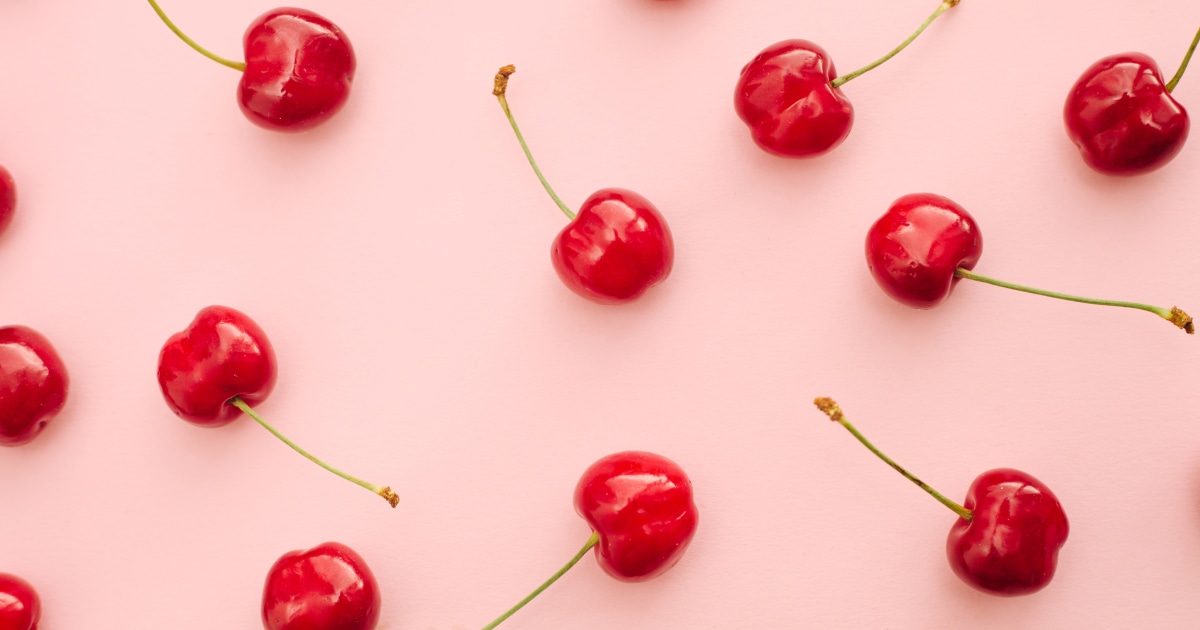
Cherries
Cherries are another delicious source of flavonoids, which can boost your intake of these beneficial compounds.
Rich in anthocyanidins, cherries not only possess a deep red color but also offer anti-inflammatory advantages. Research indicates that cherry consumption is linked to reduced inflammation, lower blood pressure, and less post-exercise muscle soreness, according to studies.
Additionally, there is evidence that cherries may enhance memory in older adults, as outlined by the Cleveland Clinic.
Oranges
While oranges are renowned for their vitamin C content, this beloved citrus fruit also provides a considerable amount of flavanones.
Fresh oranges are rich in the flavanone hesperidin, known for scavenging free radicals, protecting the heart and liver, and supporting wound healing. Research suggests hesperidin possesses antiviral properties that may assist in combatting SARS-CoV-2 and lessening inflammation from viral infections.
Onions
Red and yellow onions are among the richest sources of flavonols.
These aromatic vegetables are particularly rich in quercetin, recognized for inhibiting inflammatory enzymes that lead to oxidative stress and chronic disease development. Research indicates that quercetin also exhibits strong antimicrobial and anticancer properties.
Apples
Apples are significant contributors to flavonoid intake in the average American diet, research shows. This crisp fruit is high in flavonols like quercetin and catechin, as well as anthocyanins, which impart a bright red hue to their skin.
These plant compounds are known to promote heart and vascular health, notes Zumpano. The flavonoids found in apples have been linked to a reduced risk of all-cause mortality, according to research.
Red Grapes
Red grapes are not only delicious but also abundant in flavonoids, including anthocyanins and flavonols.
These flavonoids in red grapes are associated with benefits for brain and central nervous system health, a decreased risk of metabolic syndrome, and improved vascular function, research shows.
Indeed, red wine is rich in flavonoids as well; however, Zumpano recommends consuming grapes to achieve your daily intake, noting that recent data suggests no level of alcohol is beneficial for health.
Edamame
Soybeans serve as the best food source of isoflavones, a smaller category of flavonoids.
Edamame, or immature soybeans, makes for an excellent snack to increase your intake of these beneficial phytochemicals. The isoflavones in soybeans exhibit estrogen-like effects, with research indicating they may support bone health and help prevent osteoporosis in postmenopausal women, as previously reported on TODAY.com.
Edamame is also rich in fiber and plant-based protein, making it a satisfying snack.
For those looking to boost their flavonoid consumption, Zumpano suggests adopting a food-focused approach. “Next, consider other sources of flavonoids, like beverages,” she adds.
In addition to the aforementioned foods, other excellent sources of flavonoids include black tea, green tea, orange juice, cocoa, dark chocolate, and cinnamon.
### Conclusion
Including a variety of flavonoid-rich foods in your diet is a simple yet effective way to support your health and well-being. These vibrant nutrients enhance not only the colors of the foods we consume but also pack a punch in terms of health benefits. Making conscious choices to “eat the rainbow” can lead to a healthier, more vibrant life.


