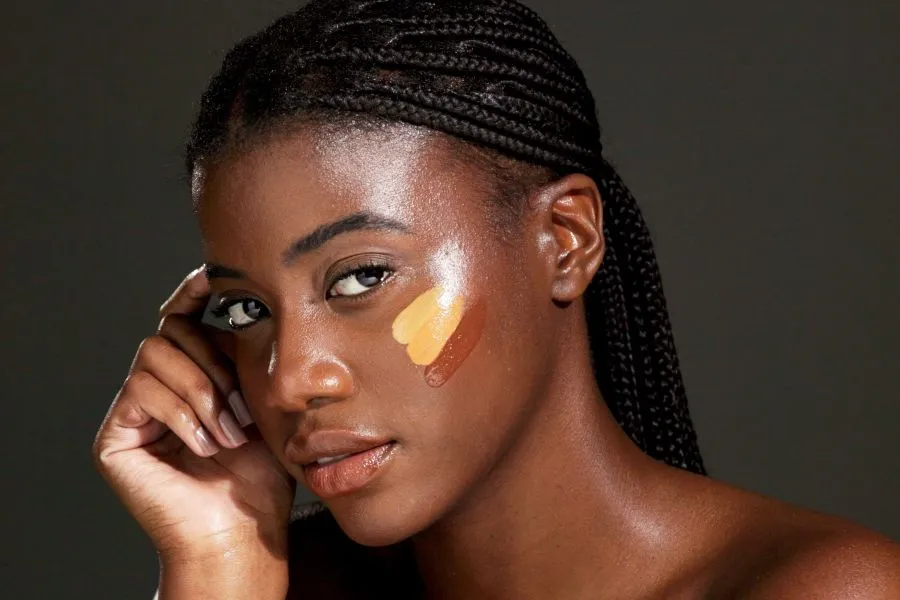
Revolutionizing Makeup: The Future of Custom Foundation Solutions
In a rapidly evolving beauty industry, Chromara Beauty is transforming the way consumers find their perfect foundation match. With an innovative approach that leverages advanced technology to create custom formulations, Chromara is setting the stage for a future where foundation shades are tailored specifically to each individual. This article delves into their groundbreaking process, the implications for the beauty sector, and the potential for waste reduction.
The Game-Changer in Foundation Formulation
Chromara’s revolutionary system utilizes six base pigments to create countless custom foundations on-demand, whether at retail locations or in consumers’ homes. This innovation allows brands to significantly reduce inventory while providing customers with the exact shade they need. As a result, the makeup industry is moving closer to a sustainable model—one where waste is minimized and personalization is prioritized.
A Shift in Business Model
Currently, many brands produce numerous predefined shades, leading to overproduction and unsold inventory. According to Lydia Steevens, CEO of Chromara, nearly 40% of foundation produced goes unsold, resulting in waste through destruction or heavy discounting. Chromara enables brands to pivot from traditional product manufacturing to a model of formula licensing, allowing for immediate customization based on individual skin tones.
Brands no longer need to predict which shades will sell; instead, they can focus on their unique formulations, trusting that the technology will handle the rest. This shift not only enhances customer experience but also optimizes shelf space, making it possible to replace entire foundation walls with just one or two devices capable of dispensing an infinite variety of shades.
Reducing Waste and Promoting Inclusivity
The traditional manufacturing process creates significant waste—not only from unsold products but also from excess packaging. Chromara’s system addresses these issues by allowing brands to produce only what is purchased. The technology employs refillable components, minimizing the environmental impact of makeup packaging.
Steevens emphasizes the importance of inclusivity in beauty, noting that the traditional model often fails to offer diverse shade ranges for deeper skin tones. By shifting to an unlimited color palette, Chromara makes it possible to cater to a broader spectrum of customers, thus redefining inclusivity from a marketing trend to an engineering necessity.
Overcoming Challenges
While the potential for this technology is immense, its widespread adoption will require overcoming several challenges. Beauty brands will need to reevaluate their traditional manufacturing infrastructures and consider integrating this new technology into their existing systems. This shift will necessitate comprehensive training for retail staff and education for consumers to build trust in this innovative approach.
Conclusion
Chromara Beauty is paving the way for a transformative shift in the makeup industry, moving away from the limitations of conventional foundation assortments toward a future of personalized beauty solutions. With their innovative approach to customization, waste reduction, and inclusivity, Chromara is not just reimagining foundation; they are redefining what it means to meet the beauty needs of every individual. As more brands recognize the potential of this technology, we are likely to see significant changes in how beauty products are made and sold, ultimately benefiting consumers and the environment alike.
With this next major step in beauty technology, the possibilities are endless, and the world of makeup is poised for a revolutionary change.