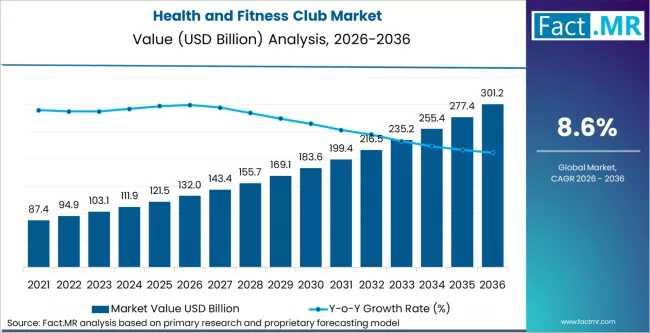
The Growth of the Global Health and Fitness Industry
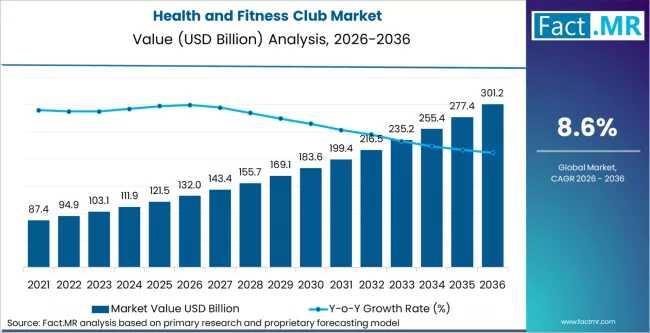
In recent years, the health and fitness sector has undergone remarkable transformations, making fitness not just a trend but a vital aspect of preventive health. By 2026, the global health and fitness club market is estimated to be valued at around USD 132 billion, and industry experts predict further growth, with projections reaching USD 298 billion by 2036. This transition stems from shifting consumer perspectives, viewing fitness as a necessity rather than a luxury.
Health and Fitness Club Market
Key Insights Into Market Growth
Market Valuation and Growth Rate
- Market size in 2026: USD 132 billion
- Projected market size in 2036: USD 298 billion
- Compound annual growth rate (CAGR): 8.6% from 2026 to 2036
Major Drivers of Growth
-
Membership Fees: Accounting for 54% of the revenue, membership fees provide a steady income and are fundamental in sustaining equipment and staffing.
-
Business Model Preference: Independent clubs take a 55% share, while chain clubs represent 45% of the market. This reflects the varying preferences among consumers for brand recognition versus personalized service.
-
Consumer Demographics: Women form the majority of gym attendees, holding a 49% market share, driving the popularity of group fitness activities like yoga and Pilates.
Regional Highlights
Geographically, the Asia Pacific region is witnessing substantial growth, with countries like South Korea, the United Kingdom, and Japan leading in fitness engagement. Each of these regions has implemented policies promoting physical activity, making memberships more accessible to the public.
Strategies for Engaging in the Fitness Market
1. Embrace Corporate Wellness Initiatives
As businesses increasingly recognize the importance of employee health, incorporating fitness programs into workplace culture can boost morale and productivity. Offer corporate packages or partnerships with local gyms to encourage participation.
2. Leverage Technology
Utilize AI and digital platforms to provide personalized fitness programs and online engagement. This hybrid model, merging physical attendance with digital options, caters to a broader audience and enhances member retention.
3. Explore New Markets
Consider expanding your offerings to underserved areas or Tier 2 and Tier 3 cities, where demand for fitness services is rising. Tailoring services to meet local needs can increase membership and community involvement.
Challenges to Consider
Despite the promising outlook, challenges such as high real estate costs and labor expenses can hinder progress, especially in urban settings. Adaptation to these challenges will be crucial for sustainable growth.
Conclusion
The health and fitness industry is clearly on an upward trajectory, driven by evolving consumer attitudes and significant policy changes. As individuals increasingly recognize the value of fitness in their daily lives, businesses have a unique opportunity to innovate and engage. By employing strategies that focus on accessibility, corporate wellness, and leveraging technology, you can successfully navigate this expanding market. Engaging in this vibrant community not only promotes personal health but also contributes to a broader culture of wellness.
For more insights into the health and fitness industry, explore our detailed reports:
Browse Full Report: https://www.factmr.com/report/health-and-fitness-club-market