Exploring Fitness and Self-Care: Trends in Health and Beauty Travel
As the world continues to embrace self-care and wellness, many travelers are seeking opportunities to combine their vacation with personal enhancement. This trend is particularly evident among travelers who plan holidays that focus on beauty treatments and fitness experiences. One such case includes Xiao Yu, a traveler who recently took a trip to Seoul for just that purpose.
The Rise of Beauty-Focused Travel
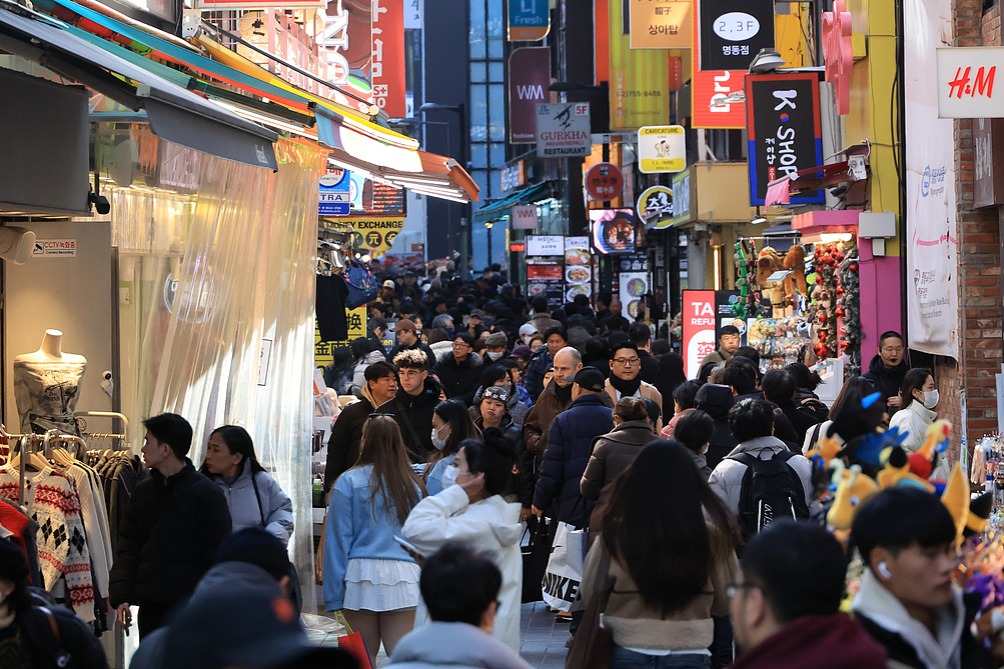
Xiao Yu’s journey to South Korea wasn’t merely about enjoying the sights and shopping; it was a strategic trip for a “beauty upgrade.” She represents a significant trend among Chinese tourists, with many redirecting their travel plans to Korea. Estimates suggest that during the recent Spring Festival, up to 250,000 Chinese visitors explored Seoul, contributing around $330 million in spending. The Myeongdong shopping district, famous for its vibrant retail scene, saw a remarkable upsurge in foot traffic attributed mainly to these tourists.
This shift in consumer behavior indicates a growing interest in experiences that blend culture and lifestyle. Rather than simply purchasing products in bulk, modern travelers are inclined to invest in experiences that offer personal transformation and engagement.
Medical Beauty Treatments
Another driving factor behind this surge in travel is the increasing popularity of medical beauty treatments. Seoul has earned a reputation as a hub for dermatology and cosmetic procedures. Many young travelers are crafting itineraries that couple tourism with minimally invasive medical treatments, making the most of their travel time without extensive recovery periods.
Social media platforms like RedNote showcase countless travel diaries filled with “three-day skin renewal trips.” Travelers share their experiences of modern treatments such as laser toning or hydration therapies, often highlighting the convenience of mixing these treatments with sightseeing. For example, one popular itinerary included a shopping spree in Myeongdong followed by a clinic consultation in the bustling district of Gangnam.
Cost-Effectiveness
Pricing plays a crucial role in the appeal of medical tourism. Xiao pointed out that treatments such as Sculptra can cost considerably less in South Korea than in China, making the journey financially worthwhile. Even when adding in travel and accommodation expenses, many find South Korea’s prices competitive.
Nevertheless, recent policy changes have complicated the financial attractiveness of medical tourism in South Korea. A decade-long value-added tax refund for foreign patients recently expired, prompting clinics to offer new discounts or cashback promotions to retain their clientele.
Cautions for Travelers
Despite the allure of medical beauty treatments, travelers are also urged to prioritize safety. The Chinese embassy in South Korea has issued advisories recommending that tourists verify the credentials of clinics and practitioners to avoid potential hazards associated with unregulated procedures.
Conclusion
Traveling for health and beauty is more than a trend; it reflects a growing desire to invest in personal welfare while experiencing cultural richness. For those considering such journeys, it’s essential to plan thoughtfully, ensuring a balance between exploration and self-improvement while being mindful of safety and ethical considerations. Embracing this dual approach can lead to a fulfilling and refreshing travel experience, catering to both the body and the spirit.