The landscape of coding tools is rapidly evolving with recent innovations such as OpenAI Codex and Anthropic’s Claude Agent. With their forthcoming integration into Xcode, the realm of single-user utilities is poised for transformative changes. Here’s why this development is significant.
For over twenty years, I have struggled to fully grasp programming. Although I grasp the concepts quite well, the actual process of writing code has always felt tedious and frustrating for me.
This struggle sparked my interest in various low-code, no-code, and AI-assisted tools designed to simplify coding. Initially, these solutions seemed imperfect, but their quality has steadily improved over time.
As my developer friends and tech-savvy colleagues began sharing their experiences with newer models and tools, I decided to explore them myself—and I was pleasantly surprised by the results.
Codex in 15 Minutes: A Mockup’s Journey
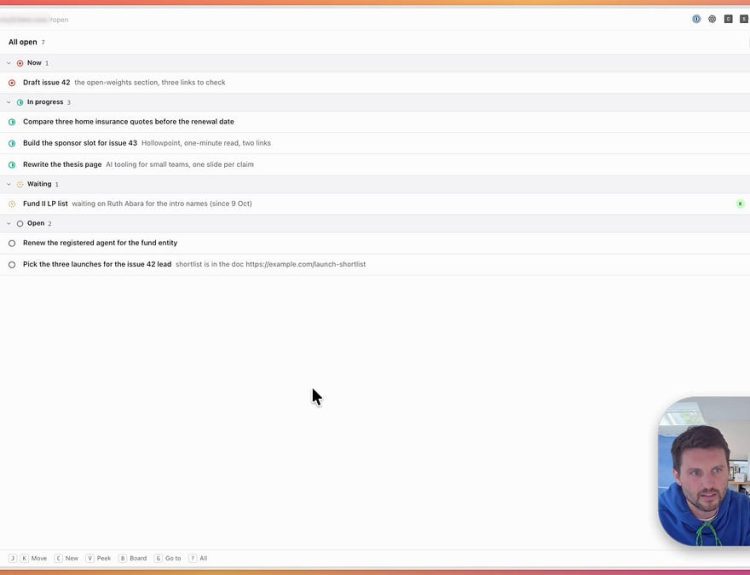
In recent weeks, I’ve been utilizing OpenAI Codex to develop a small Mac app tailored to my specific needs. Remarkably, I was able to establish the app’s core functionality in under thirty minutes, starting from an empty folder on my Mac. Subsequently, I requested Codex to add a button, leverage Apple’s Foundation Models, configure notifications, and respond to specific events—all tasks that were seamlessly executed one after the other on my screen.
Are there other Mac or iOS applications offering similar features? Certainly. The market is saturated with basic solutions that often rely on aggressive advertising and may lack stability, while premium options do not always live up to expectations.
My Codex-developed application serves my needs perfectly. If there’s something amiss, all I need to do is ask Codex for a quick correction—within seconds, the issue is resolved.
Does this imply that tools like Codex can help you establish a Fortune 500 company? Not quite yet. At least, not with the speed one would hope for. However, for me, this experience has already proven invaluable.
The Value of Tomorrow: Will the Market Evolve?
As coding capabilities improve and the adoption of these tools expands, I believe we are witnessing the decline of low-quality, ad-driven single-purpose apps that operate on freemium models.
This shift introduces risks for independent developers focused on delivering high-quality, niche products. While these risks are less pronounced than for larger startups, they remain a concern.
At present, merely a small segment of tech-oriented users are aware of Codex and similar tools, and even fewer have opted to give them a try. Nonetheless, with the ascendance of companies like OpenAI, Anthropic, and Apple—and their efforts to simplify traditional coding—it’s becoming increasingly feasible for anyone to develop specialized applications by merely asking an AI for assistance, a far safer option than older methods like using Shortcuts.
Conversely, does this pave the way for an influx of mediocre, ad-supported, single-function applications in the App Store? Yes, that is a possibility. However, this very trend could catalyze a move toward more impactful and customized solutions that integrate AI tools, especially through anticipated updates to Xcode 26.4 and associated technologies.
While not all users or developers are fully acquainted with these advanced capabilities yet, time will reveal how Apple and other stakeholders adjust their ecosystems and policies to promote rapid prototyping and swift market entry for personalized solutions.
Have you experimented with these tools to craft your own applications? The future of development has never seemed more accessible, making it essential to stay informed about technological advancements that enhance our capabilities—especially how agent-based models can simplify and expedite the software creation process.