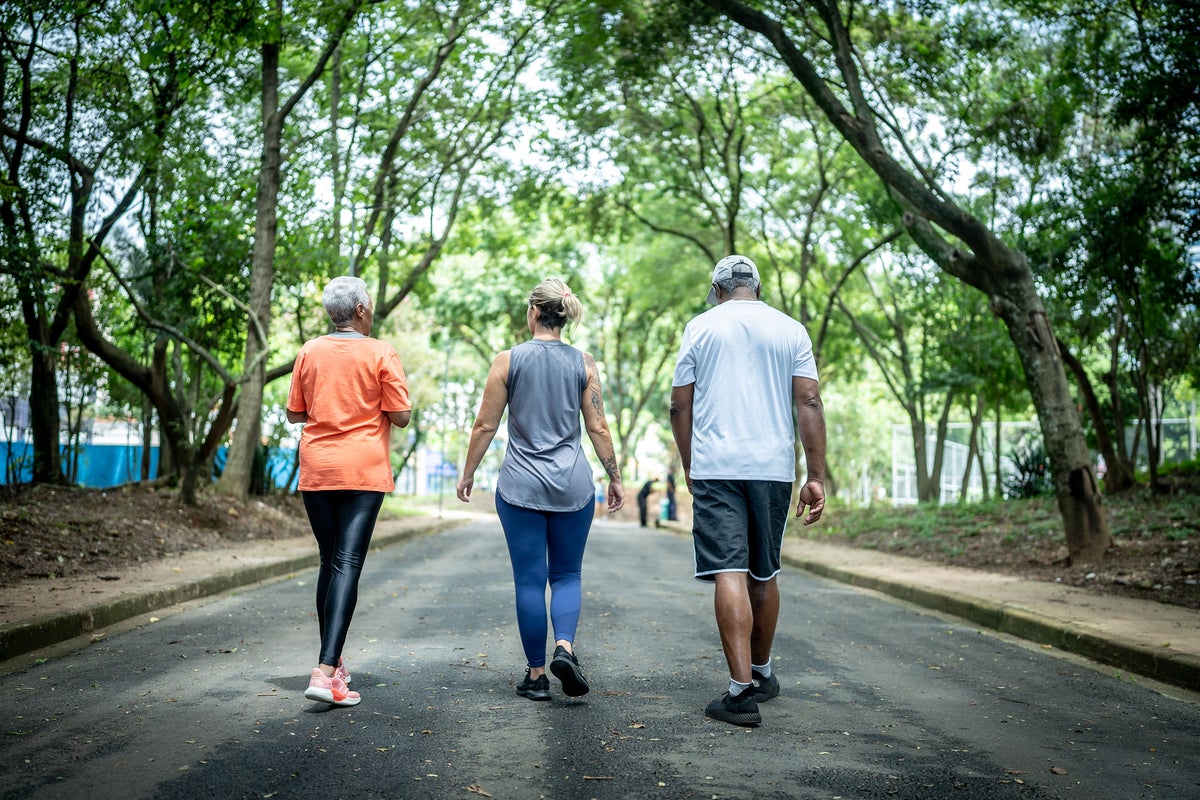
Building Your Fitness: The Foundation of a Healthier You
When it comes to fitness, many individuals focus on flashy supplements or intricate exercise plans, akin to purchasing a lampshade instead of laying down a home’s foundation. This misguided approach often leads to neglecting essential habits such as consuming nutritious meals, enhancing sleep quality, and simply moving more throughout the day. While trends may offer a decorative finish, the amount of exercise, particularly walking, accounts for the bulk of long-lasting health benefits.
As a fitness coach and journalist, I firmly believe that the majority of people can significantly improve their health by incorporating more movement into their daily routines. Walking is often the easiest and most accessible form of exercise. Numerous experts echo this sentiment. Here are actionable tips for enhancing your well-being through walking in 2026.
1. Set a Step Goal
Takeaway: Gradually increase your daily step count, aiming for at least 8,000 steps.
The human body adapts to the activities we consistently perform. For example, weightlifters develop larger muscles because of their regular resistance training. Similarly, increasing your overall physical activity can yield compelling health improvements.
Start by determining your current average daily step count using a health app on your phone. Strive to increase that number by 10-20% within the next month. Once you’ve adjusted, continue to challenge yourself with your newly established baseline. Ultimately, aim for at least 8,000 steps per day—a figure linked to improved longevity and reduced risk of chronic diseases, as supported by research from the University of Granada.

2. Minimize Sitting Time
Takeaway: Substitute periods of sitting with standing activities. Incorporate light movement every 30 to 60 minutes.
According to the NHS, many people sit for over nine hours each day. Research indicates that extended sitting, particularly in those over 60, correlates with elevated risk factors for several chronic health issues, even in regular exercisers.
Dr. Daniel Bailey, who contributed to one relevant study, reminds us that movement activates crucial metabolic processes, while prolonged inactivity can diminish their effectiveness. To mitigate these risks, try standing during phone calls, using a standing desk, or simply getting up to stretch or walk every half hour.

3. Increase Walking Durations
Takeaway: Integrate one or more walks lasting 15 minutes or more into your daily routine.
Research from the University of Sydney found that longer walks—lasting at least 10-15 minutes—are linked to significant health benefits, including reduced cardiovascular disease risks. Compared to shorter bursts of steps, sustained walks engage beneficial physiological processes, such as improved glucose metabolism and heart rate variability.
Consider scheduling time for a daily 15-minute walk: The extended duration offers additional health advantages.

4. Walk After Meals
Takeaway: Engage in a brisk walk after each meal to regulate blood pressure and support weight management.
Studies indicate that taking a brisk 30-minute walk post-meals is more beneficial for health compared to walking later. This immediate activity helps lower blood pressure and stabilizes blood sugar levels, preventing long-term health complications.
By incorporating at least a 10-minute walk right after eating, you promote better metabolic health and reduce the risk of escalating conditions over time.

5. Elevate Your Intensity
Takeaway: Incorporate brisk walking or hill-climbing to enhance health benefits.
Research highlights the advantages of vigorous intermittent lifestyle physical activity (VILPA), emphasizing that several short bursts of elevated intensity can significantly lower health risks. Climbing stairs, brisk hill walks, or any action that elevates your heart rate will benefit your overall well-being.

6. Speed It Up
Takeaway: Increase your walking pace to gain added health benefits.
Most evidence suggests that the advantages of walking grow at moderate or higher intensities. A brisk pace, generally around 100 steps per minute, can promote better cardiovascular health and reduce chronic disease risk. Everyone can benefit from increasing their walking pace, especially individuals with lower fitness levels.
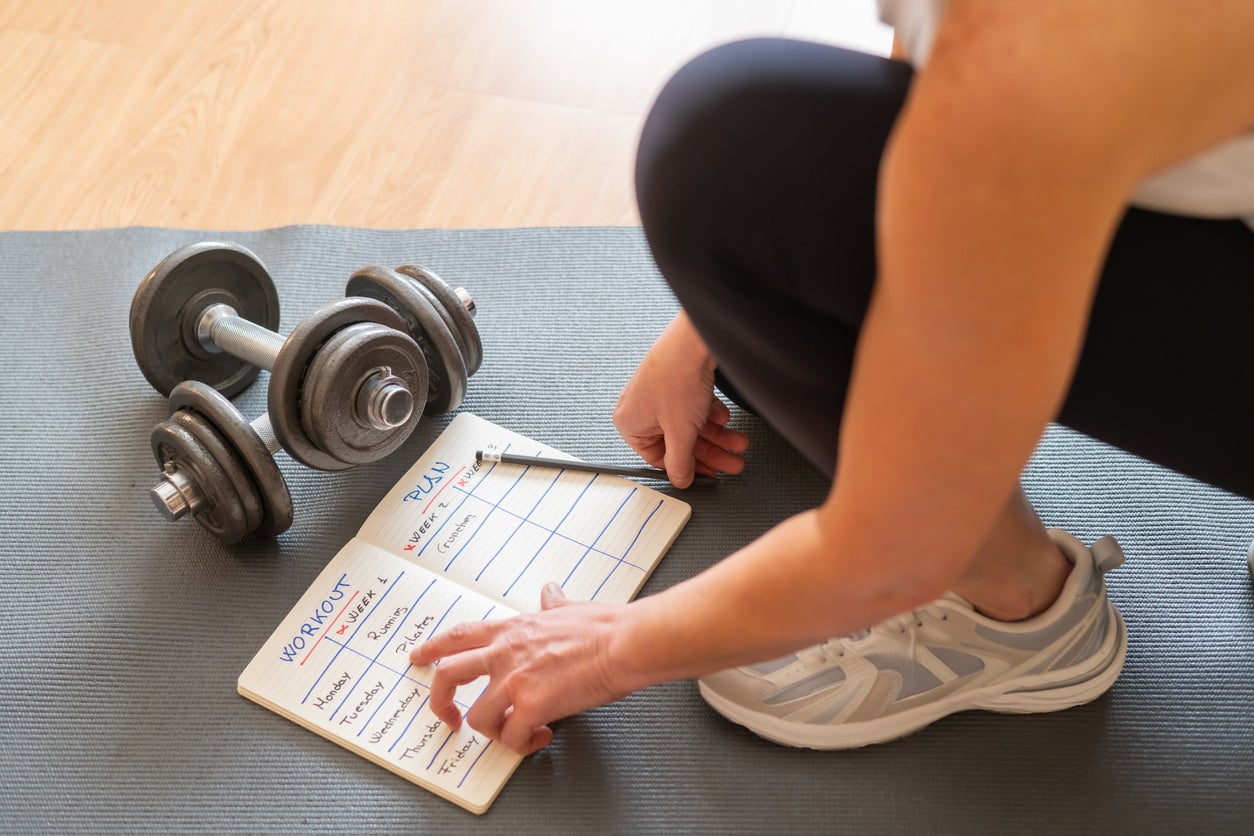
7. Short on Time? Consider This Eight-Week Plan
If you find it challenging to fit walking into your schedule, use this structured framework created by NASM-certified personal trainer David J. Sautter:
|
Weeks 1-2: Establish Your Rhythm |
Start with three short walks per week, lasting 10 to 15 minutes at a comfortable pace. Focus on establishing a consistent walking habit while improving your posture. |
|
Weeks 3-4: Gentle Intervals |
Introduce brief intervals by alternating one minute of brisk walking with two minutes of your regular pace during one or two walks weekly. This trains your heart and muscles without overwhelming your body. |
|
Weeks 5-6: Extend and Energize |
Gradually lengthen your walks to around 25 minutes, incorporating brisk sessions. Try to include gentle hills or varied terrain to build strength and stamina. |
|
Weeks 7-8: Peak and Personalize |
Combine longer moderate walks with interval sessions. Aim for a few steady walks lasting 30 minutes or more, and finish each session with a cool-down to enhance recovery. |
8. Understanding the Limitations
While walking is a fantastic and accessible form of exercise, pairing it with one to two strength training sessions per week can reinforce muscle and bone health. For those who already engage in a variety of exercises, adding intensity through activities like running, swimming, or cycling may be necessary to continue seeing fitness improvements.
Lastly, all forms of movement are valuable. From seated yoga to swimming, individuals with mobility challenges can still engage in fitness activities.
Conclusion
In summary, enhancing your fitness doesn’t need to be complicated. By focusing on simple practices like walking and incorporating them into your day, you can lay a strong foundation for a healthier lifestyle. Remember, gradual adjustments lead to significant long-term health benefits and a more active life. Start small, stay consistent, and watch as your health transforms over time.