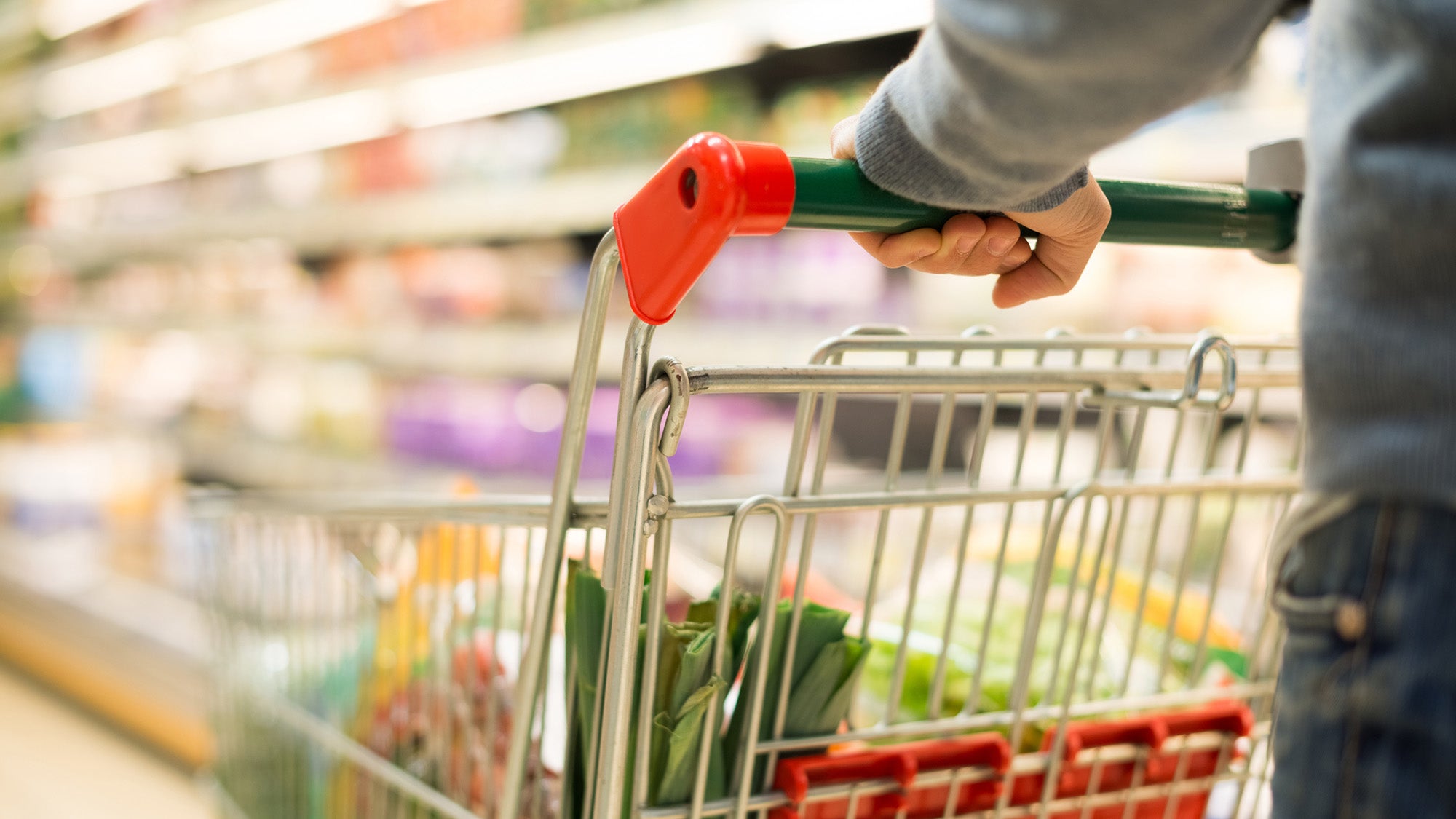
Consumers face ongoing warnings regarding the health risks associated with ultra-processed foods, yet steering clear of these items can often be challenging. To help people identify which ingredients to avoid and how to select the healthiest choices, Boston Globe writer Tal Kopan enlisted the expertise of Harvard Chan School’s Jerold Mande during a grocery store excursion.
In Kopan’s article dated February 17, Mande, an adjunct professor of nutrition, emphasized that the primary issue with ultra-processed foods lies in their design: they are typically high in calories and engineered for maximum flavor, making it all too easy to overindulge. He advised consumers to steer clear of items that list a sweetener as the second or third ingredient, and to seek products lower in sodium and saturated fats while being rich in dietary fiber.
Mande pointed out that in today’s food landscape, aiming for dietary perfection isn’t realistic; instead, he encourages making manageable improvements. Simple changes—like opting for whole grain instead of traditional flour tortillas or adding peas to boxed macaroni and cheese—can significantly improve one’s diet. He reassured readers not to feel defeated if they struggle with healthy eating choices, stating, “The answer is we have to fix the system.”
To dive deeper, read the Boston Globe article: Ultraprocessing. Dyes. Sugars. An expert helped me navigate the grocery store.
Learn more
The worst ultra-processed foods for metabolic health (Harvard Chan School news)
Healthy eating advice from nutrition expert Walter Willett (Harvard Chan School news)