In recent discussions about the future of work, a leading engineer from Anthropic has indicated that a new wave of AI agents capable of operating computers will revolutionize numerous internet-related jobs in the United States.
This transformation is anticipated to occur in the very near future.
Boris Cherny, the creator of Claude Code and a prominent figure at Anthropic — the company famed for its Claude chatbot — discussed these developments recently on “Lenny’s Podcast,” hosted by Lenny Rachitsky.
Cherny pointed out that AI systems designed to interact with various workplace tools—such as those offered by Anthropic—are progressing swiftly, potentially transforming the roles of software engineers, product managers, designers, and other professionals engaged in knowledge work.
“This technology will expand to virtually any task that can be performed on a computer,” he stated. “In the interim, this shift may induce significant disruption, and it could be challenging for many.”
Claude Code is Anthropic’s AI coding assistant built on its Claude models. The company introduced its latest update, Opus 4.6, in early February.
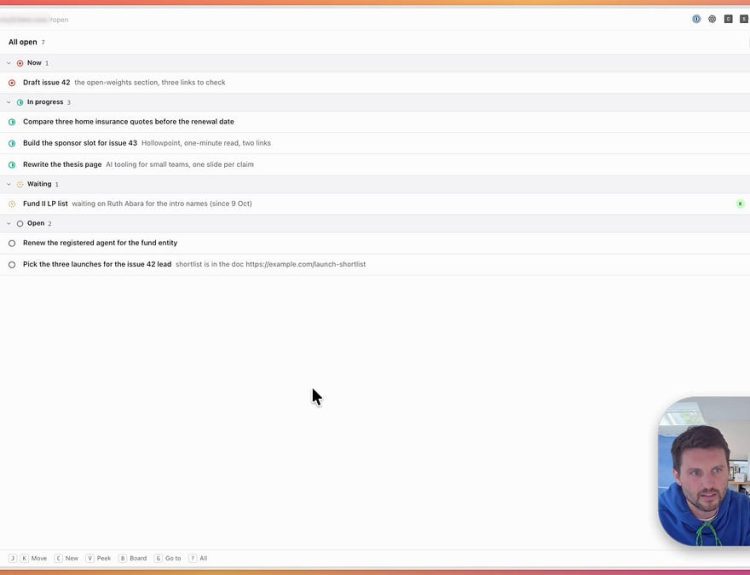
Unlike standard chatbots that primarily produce text or images, AI agents like Claude Code can perform actions using digital tools—executing commands, analyzing documents, communicating with colleagues, completing tasks across applications, and even developing websites.
Essentially, Claude Code is becoming increasingly adept at using a computer in ways similar to a human, though the company has acknowledged that it has yet to reach the proficiency of a skilled human worker.
“This is what I believe will introduce users to agentic AI for the first time, allowing them to finally grasp its potential,” he remarked.
Cherny noted that his team is already leveraging AI to enhance productivity. He reported a significant increase in productivity per engineer following the launch of Claude Code and expressed confidence that these models will continue to evolve. (Naturally, Cherny is inclined to promote the company’s offerings, especially to enterprise clients.)
In a recent interview with Y Combinator’s “Lightcone” podcast, Cherny suggested that the job title software engineer may begin to “disappear” by 2026.
However, he cautioned that the wider implications of this shift are still uncertain.
“As a society, we need to collectively engage in this discussion,” he advised Rachitsky. “Anyone can create software at any time.”
For workers adapting to these changes, his advice is straightforward: experiment with AI tools and familiarize yourself with their functionalities.
“Don’t fear them,” he urged.