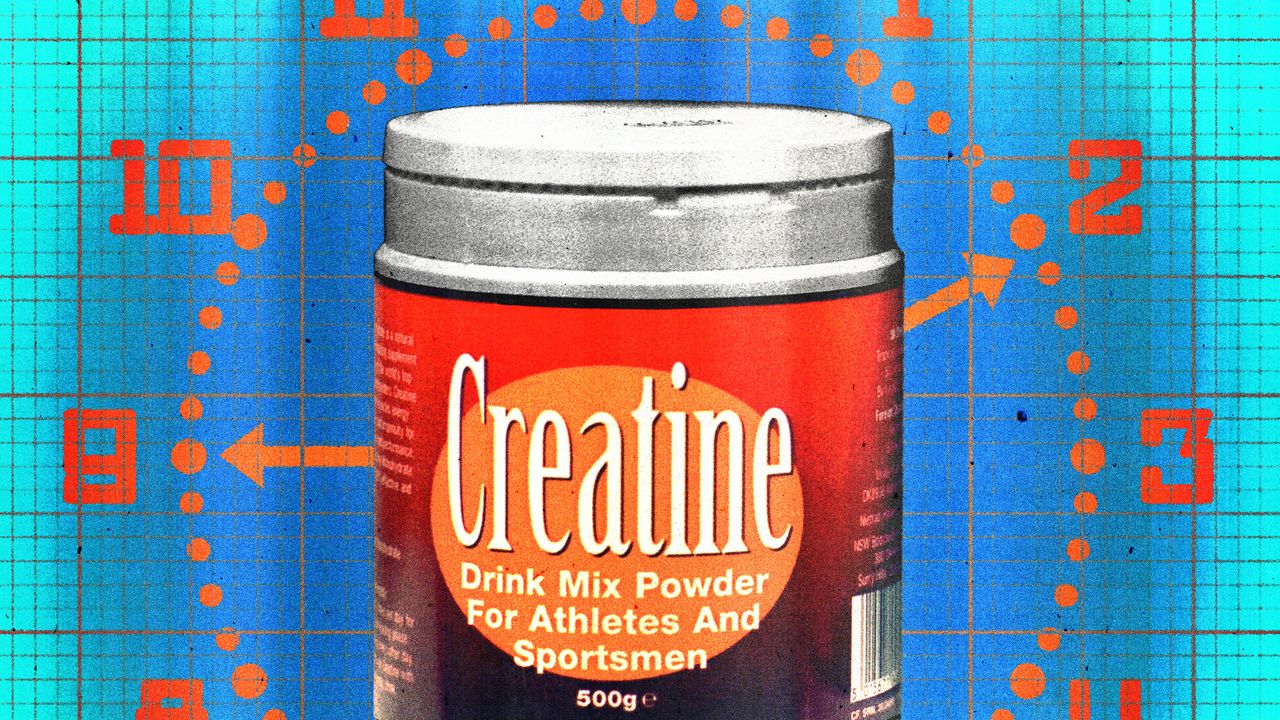
For those engaged in strength training, creatine may already be a familiar term. Research indicates that regular consumption of creatine is linked to enhanced brain health, increased bone density, and support for muscle development.
While you may have come across these advantages, you might still be wondering about the optimal time to take creatine. Given that creatine supplements can be costly, it’s essential to maximize their effectiveness to make your investment worthwhile.
To shed light on the ideal timing for creatine intake, we consulted sports nutrition experts on how much to take and whether it should be combined with other substances for best absorption.
Benefits of Creatine Supplements
“Creatine is a compound synthesized from three amino acids—arginine, glycine, and methionine—by your liver and kidneys,” explains Jordan Mazur, the director of nutrition for the San Francisco 49ers. He notes that about 95% of creatine resides in muscle tissue as phosphocreatine, a key molecule for energy production in muscle cells. “While you can obtain some creatine from meat and fish, supplementation can fully saturate your muscle stores, providing a more substantial energy reserve when needed,” Mazur adds.
Phosphocreatine serves as immediate fuel that supports ATP synthesis within muscle cells, according to Joel Ramdial, program director of nutrition at Southeast Missouri State University. This mechanism is particularly useful for explosive movements such as box jumps and deadlifts. “Our muscles typically contain a limited supply of phosphocreatine, but supplementing with creatine can boost this supply, allowing for prolonged high-intensity workouts,” Ramdial explains, stating that this can contribute to greater muscle and bone strength over time.
In essence, if your goal is to enhance strength, creatine supplementation can be beneficial. “Individuals aiming for strength, power, or lean mass—such as lifters, sprinters, and athletes in team sports—can gain from creatine,” Mazur states, highlighting its potential importance for vegans and vegetarians, who usually have lower creatine levels in their diets. Moreover, Jonathan Poyourow, a sports dietitian at Johnson & Wales University and former U.S. Army dietitian, notes that older adults can also benefit from creatine to help preserve muscle mass.
Evidence suggests that creatine may assist in workout recovery as well. A 2021 study published in Nutrients supports this claim, indicating that creatine intake can mitigate muscle inflammation markers post-exercise, facilitate cell hydration, and aid in glycogen restoration, particularly when consumed with carbohydrates.
Beyond its benefits for muscles, creatine may also bolster brain function. A 2024 study featured in Frontiers in Nutrition revealed a link between creatine supplementation and notable improvements in memory and cognitive processing speed in various clinical trials.
When is the Best Time to Take Creatine?
Given that creatine is primarily used to boost strength and muscle growth, its timing in relation to workouts is important. However, sports dietitians agree that when you take creatine is less critical than you might think. Similar to protein, research indicates it’s effective to take it either before or after a workout. “Studies on timing have yielded mixed results about whether taking it directly before or after exercise is most effective, so it’s best to choose a timing that fits your routine,” suggests Kelly Pritchett, a professor of nutrition and exercise science at Central Washington University.
Conclusion: In summary, creatine supplementation offers a multitude of benefits, particularly for those seeking to enhance muscle strength and recovery. With its significance in energy production and cognitive improvement, understanding the timing and method of consumption can help you optimize its effects, making it a worthwhile addition to your fitness regimen. Whether your aim is to boost your performance in the gym or support your brain function, creatine could be an effective ally.


