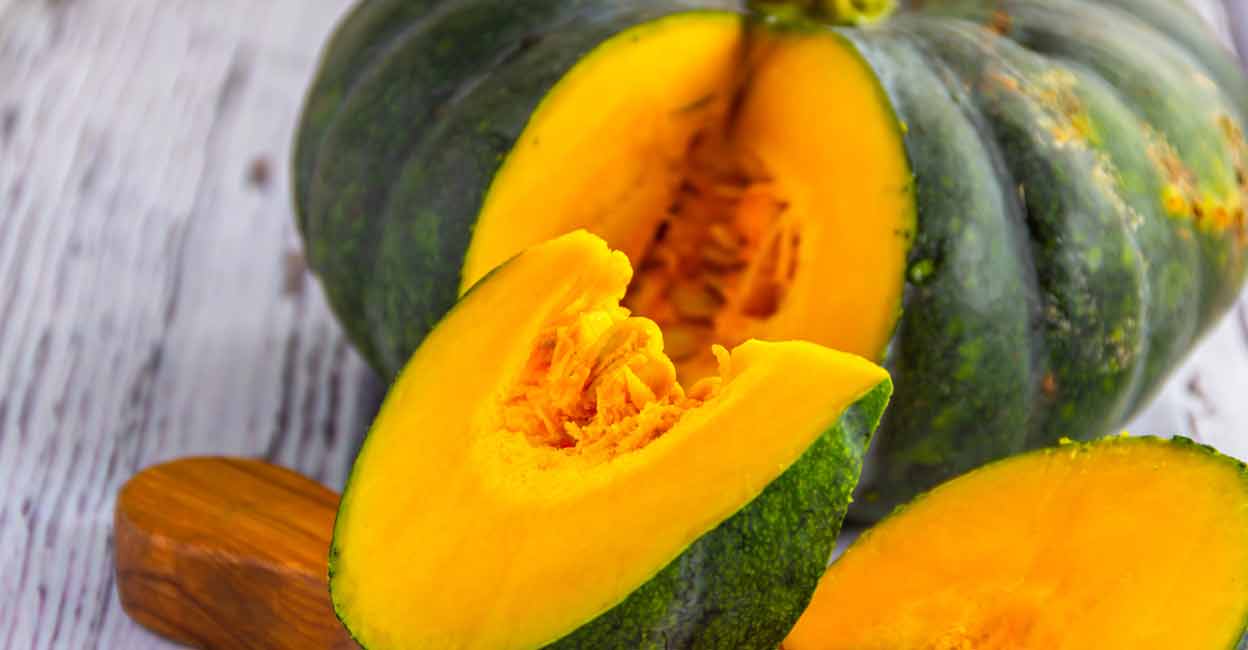
Pumpkins are not just festive decorations; they are a vibrant source of essential nutrients. Known for their striking colors—ranging from orange to green to mottled hues—these gourds are not only versatile in the kitchen but also packed with health benefits. Even their leaves and flowers contribute to their nutritional value. In Kerala, pumpkins hold a special place in both home cooking and garden cultivation, serving as ingredients in curries, snacks, and more. However, in today’s fast-paced world, many miss out on the health advantages that pumpkins offer. John Sherry Anandasseri, a retired Assistant Director of the Agriculture Department in Kerala, sheds light on the numerous health benefits of this incredible vegetable.
Pumpkin Health Benefits
Pumpkins are known to enhance lung health, curb alcohol cravings, fortify bones, alleviate migraines, promote urinary tract wellness, and ease premenstrual symptoms. Additionally, with its cooling properties, pumpkin is valued in Ayurveda for treating burns and skin conditions. Surprisingly low in calories yet high in fiber, pumpkins are excellent for weight management. Their consumption can also boost immunity and help regulate blood pressure while protecting against bacterial infections.

Pumpkin Seeds
Pumpkin seeds are also beneficial for maintaining stable blood sugar levels. Surprisingly, the seeds you typically discard can be quite valuable, retailing for approximately Rs 350-500 per kilogram! Rich in antioxidants, magnesium, zinc, and fatty acids, these seeds promote heart health. For insight on whether to consume them with or without shells, you can explore this informative article.
Pumpkin Flowers and Seeds
The pumpkin flower is celebrated for its benefits to bone health and immunity, as well as its ability to alleviate issues such as eye ailments and infertility. In many homes, the flower is coated in rice or chickpea flour and fried into delicious pakodas. Moreover, the skin of the pumpkin, when cleaned properly, is also edible and can be incorporated into various dishes given its rich nutrient profile.
In conclusion, pumpkins are indeed a treasure trove of nutrients that can benefit our health in numerous ways. Whether through their flesh, seeds, or flowers, these gourds are versatile ingredients that deserve a prominent place on our plates. As we strive for better nutrition, incorporating pumpkin into our meals can lead to significant health improvements.