When it comes to nutrition, protein is renowned for its role in muscle building and repair. Traditionally, it has been suggested that consuming a high-protein meal post-workout is optimal for maximizing its benefits. However, recent insights indicate that it’s not strictly necessary to have protein after exercise to reap its rewards.
Dr. Kezia Joy, a registered dietitian nutritionist and medical advisor with Welzo, emphasizes that there is no universal “best” time for everyone to consume protein. Most research suggests that spreading protein intake throughout the day is more advantageous than consuming it in a single meal. Dr. Joy highlights that many individuals tend to eat very little protein at breakfast, saving most for dinner, but this approach may not align with optimal eating practices.
“While consuming protein at night is not inherently detrimental, the more pressing concern is maintaining a balanced diet throughout the day,” Dr. Joy explains. A high-protein meal in the evening can restrict the body’s ability to consistently support muscle tissue, which is critical for overall health, including brain and heart function.
Older adults, in particular, might gain more benefits from earlier protein intake in the day. For those sensitive to slow-digesting proteins—and especially when combined with fats—eating substantial protein at night may lead to discomfort and disrupt sleep quality.
Protein with Every Meal is Best

So, how much protein should we aim to consume at each meal? Research suggests that for optimal health and longevity, adults should consider a daily intake of approximately 0.8 grams per kilogram of body weight. For older adults, increasing this to about 1.2 grams per kilogram can offer additional benefits. This range can vary based on age, activity level, metabolic health, and personal fitness goals, according to Dr. Joy.
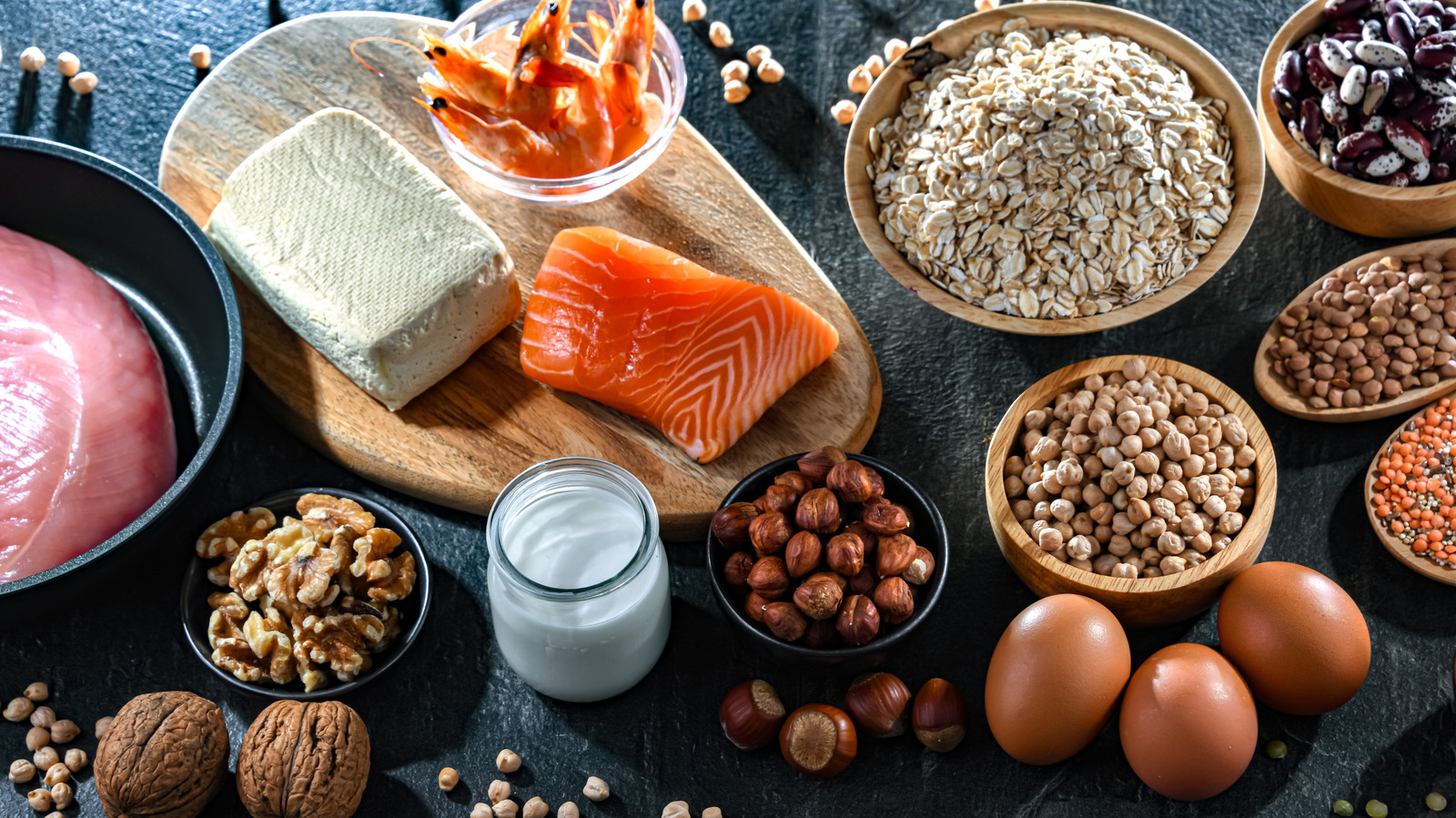
If getting enough protein throughout the day is challenging, Dr. Joy recommends planning meals to achieve a balanced intake. For example, if your daily protein target is 100 grams, you might divide that into 30 to 35 grams per main meal (breakfast, lunch, and dinner) or approximately 20 to 25 grams at each meal combined with two snacks of around 15 grams each. Opting for quality protein sources—like eggs, dairy, fish, poultry, lean beef, soy, or plant-based alternatives—can significantly support muscle health, metabolism, and appetite control. Combining protein with fiber-rich carbohydrates and healthy fats can further enhance nutrient absorption.
For breakfast, you might enjoy a breakfast burrito—a simple high-protein meal prep option—filled with three eggs, 1 ounce of shredded cheese, ¼ cup black beans, and sautéed veggies in a whole-grain tortilla. For lunch, consider a stir-fry featuring 6 ounces of tofu, 2 cups of mixed vegetables, and ½ cup of brown rice. Dinner could be delicious fish tacos made with 4 ounces of grilled fish, such as cod, topped with cabbage slaw and served in 2 small corn tortillas.