Related video above: Federal lawmakers debated the merits of these SNAP restrictions in 2024
This week marks a significant shift for Supplemental Nutrition Assistance Program (SNAP) beneficiaries in three states as new restrictions take effect. Oklahoma, Idaho, and Louisiana are among the states enacting rules aimed at limiting purchases of sugary beverages and candy with federal food benefits.
(NEXSTAR) – Three more states are implementing new restrictions on what you can buy with SNAP dollars this week.
Oklahoma, Idaho and Louisiana are all rolling out the new rules outlined in the waivers obtained from the United States Department of Agriculture, which oversees the SNAP program. It’s part of a growing movement to ban the purchase of sugary drinks and candy with federal food benefits.
So far, the USDA has approved waivers for 18 states. The rules in each state vary, as do their implementation deadlines, but in most cases, SNAP beneficiaries will no longer be able to buy soda, energy drinks and/or candy with their monthly benefits.
The new rules went into place on Sunday in Idaho and Oklahoma. They begin on Wednesday in Louisiana.
The next wave of changes will take place in Colorado, Florida, Texas and West Virginia. Retailers in those states all have April deadlines to comply with the new rules. (See the new restrictions in each state by clicking on the map below.)
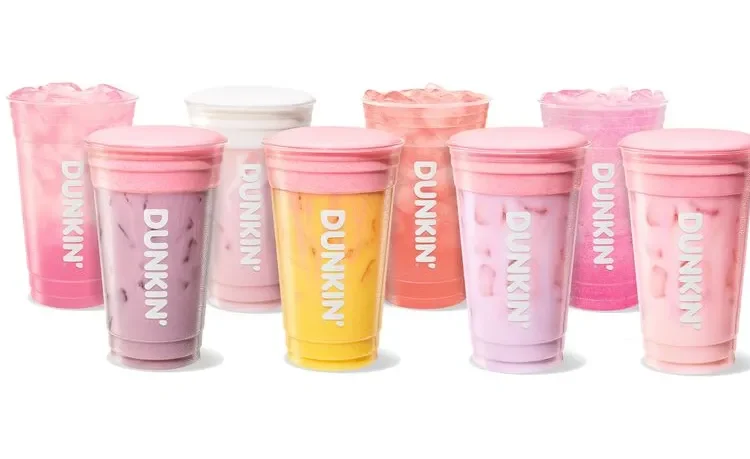
Each state has leeway on how it defines the soft drinks and candy that are newly banned. Oklahoma, for example, is saying no to “any beverage marketed or sold as a soda, soft drink, sports drink, energy drink, flavored water, or juice drink containing less than 100% juice.”
Candy, also newly restricted in the state, includes candy bars and even chocolate-covered nuts or fruit.
Iowa is taking a more roundabout approach to restricting the purchase of unhealthy foods with SNAP benefits. Starting in January, the state is restricting SNAP purchases to only non-taxable food items. The state allows for sales tax on candy, prepared food and soft drinks, which means they’ll no longer be approved for SNAP purchases.
“With these new waivers, we are empowering states to lead, protecting our children from the dangers of highly-processed foods, and moving one step closer to the President’s promise to Make America Healthy Again,” USDA Secretary Brooke Rollins said in a press release.
However, critics argue that these changes place undue burdens on low-income individuals. They contend that the restrictions unfairly target the choices available to the marginalized populations. Chris Bernard of Hunger Free Oklahoma expressed concerns, stating, “It’s an opportunity to say you’re doing something, while really just stigmatizing a single group of people for choices that everybody in America really makes.”
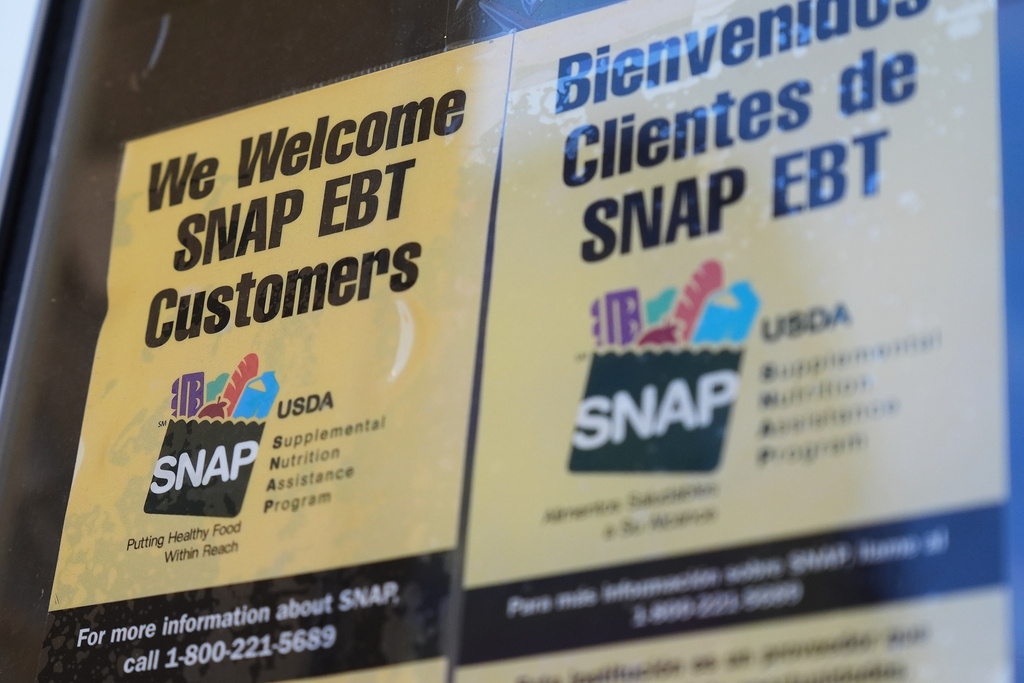
SNAP, formerly known as the Food Stamp Program, assists approximately one in eight Americans in affording groceries.
The new bans on soda and candy are not the sole restrictions on the use of these benefits. Non-food items (such as toiletries and household supplies), alcohol, tobacco, vitamins, medications, and prepared hot foods have long been excluded from SNAP purchases.
Key Takeaways
- New SNAP restrictions are being enacted in Oklahoma, Idaho, and Louisiana.
- These restrictions limit the purchase of sugary beverages and candy with food benefits.
- The USDA has approved waivers for a total of 18 states.
- State definitions of restricted items may vary.
- Critics argue that the restrictions disproportionately affect low-income individuals.
- SNAP benefits already exclude non-food items like alcohol and toiletries.
FAQ
What is SNAP?
SNAP is a federal assistance program that helps low-income individuals and families afford groceries.
What items are now banned from SNAP purchases?
Soft drinks, energy drinks, and candy are newly restricted items in certain states as per the latest regulations.
When did these restrictions take effect?
The new rules were implemented in stages, starting on a Sunday in Idaho and Oklahoma, and on a Wednesday in Louisiana.
Are there future changes expected in other states?
Yes, upcoming changes are anticipated in states like Colorado, Florida, Texas, and West Virginia by April.
What are the criticisms of these restrictions?
Critics argue that the restrictions unfairly limit choices for low-income individuals and may stigmatize their shopping habits.