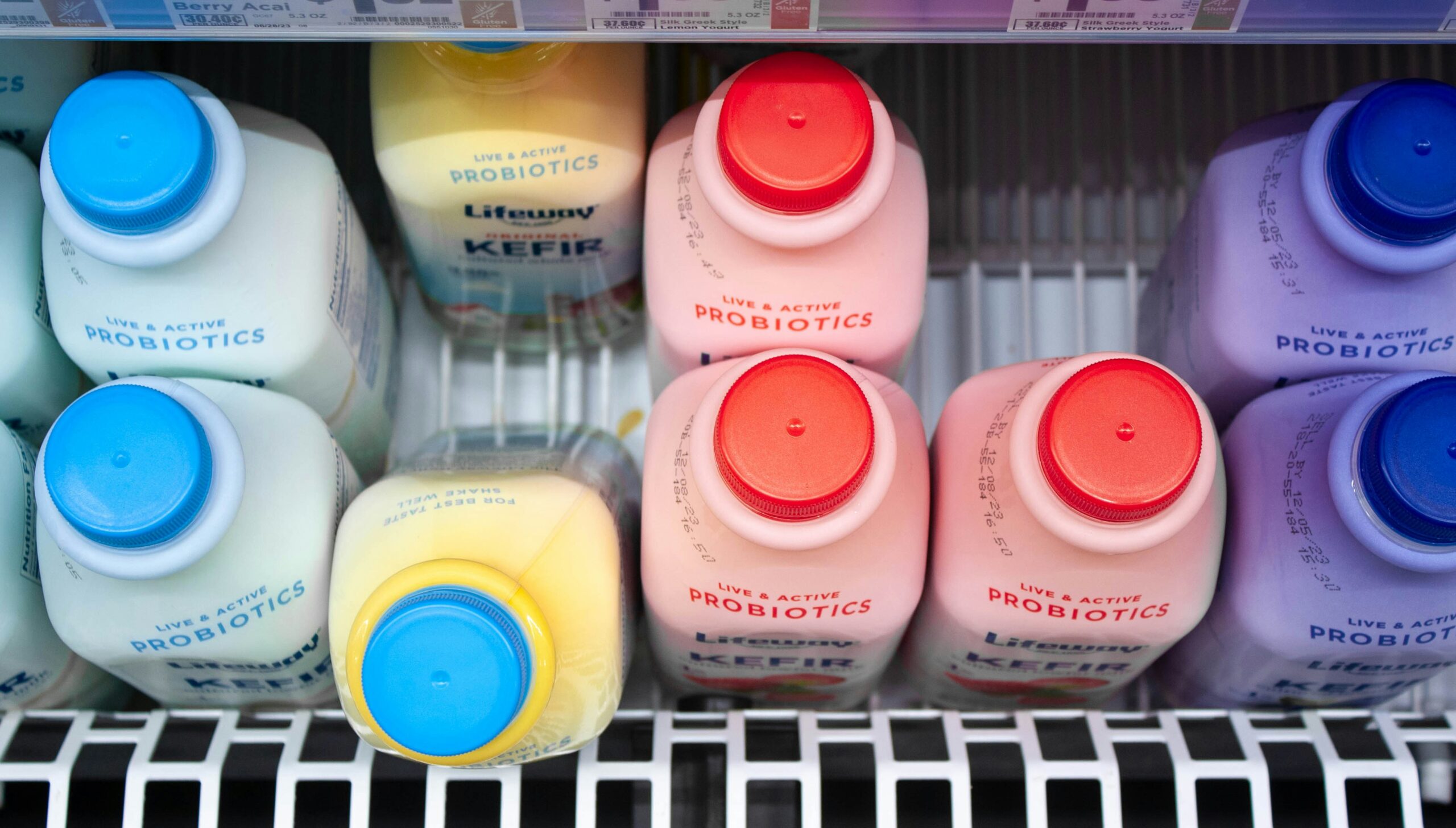

Recent research has emerged that challenges our understanding of supplements designed to combat inflammation, introducing a novel “synbiotic” approach. This study may influence the way we perceive gut health and its impact on overall well-being.
Combating Inflammation
Inflammation is a pervasive issue in modern life, often overlooked despite its significant role in metabolic dysfunction, aging, and chronic diseases. It functions as a hidden alarm for many, triggered by various factors such as stress, processed foods, and the natural wear and tear of life, potentially leading to numerous long-term health issues.
Researchers have been aware of inflammation’s impact for years and have identified several effective methods to combat it. One established approach involves Omega-3 supplements. However, a recent study sought to determine if a more effective solution exists. Participants were divided into four distinct groups:
- The Omega-3 Group (n=33): This group took 500mg of fish oil daily as the primary intervention.
- The Inulin Fiber Group (n=31): Participants ingested 20g of pure inulin fiber, a well-known supplement for gut health that helps combat certain types of inflammation.
- The Synbiotic Group (n=20): Participants consumed a daily “super-smoothie” made from 170ml of fermented kefir, rich in live bacteria, along with a 10g prebiotic fiber mix.
- The Control Group (n=20): This group received no intervention.
The main objective was to assess which intervention could most effectively reduce systemic inflammation, measured through an extensive panel of 92 different inflammatory proteins.
After six weeks, the findings were striking: the synbiotic group showed the greatest reduction in inflammation.
The Synergistic Effect
All three interventions resulted in significant improvements, but the synbiotic combination outperformed the others, reducing inflammatory markers by 75% more than the fiber group alone and an impressive 250% more than the Omega-3 group.
Dr. Amrita Vijay from the University of Nottingham stated, “Our study demonstrates that while all three dietary strategies effectively reduced inflammation, the synbiotic approach — which combines fermented kefir with a diverse mix of prebiotic fibers — exhibited the most powerful and comprehensive effects.”
The effectiveness of this method lies in the synergistic relationship between probiotics and prebiotics.
Probiotics are live bacteria that contribute to gut health, while prebiotics are the nutrients that feed these beneficial bacteria. Using only probiotics is akin to sending troops into a battle without provisions. When paired with prebiotics, the beneficial bacteria are supplied with vital resources, enabling them to thrive and perform their functions more effectively.
However, it’s essential to remember that Omega-3s should not be disregarded.
Considerations and Future Potential
Some considerations must be addressed. Firstly, the sample size was relatively small, with participant numbers ranging from 20 to 33, which may limit the generalizability of the findings. Additionally, there was no placebo group for comparison. Age also played a role; participants in the Omega-3 and Inulin groups were primarily older adults (60+), while the Synbiotic group included younger individuals (aged 18+), potentially affecting their responses to inflammation.
This research supports the idea that “food is medicine.” While not a panacea, incorporating healthy foods, particularly in complementary combinations, can significantly enhance health outcomes. Omega-3s and fiber remain crucial elements, but this study recommends that integrating fermented foods with appropriate fibers provides a biological advantage that isolated supplements often cannot achieve.
Dr. Vijay concludes, “This indicates that the interaction between beneficial microbes and dietary fiber may be essential in maintaining immune balance and metabolic health.”
Journal Reference: Amrita Vijay, Liz Simpson, Melanie Tooley, Sarah Turley, Afroditi Kouraki, Anthony Kelly, Cristina Menni, Josh Armstrong, Shann Jones, Ana M Valdes. The anti-inflammatory effects of three different dietary supplement interventions. Journal of Translational Medicine, 2025; 23 (1) DOI: 10.1186/s12967-025-07167-x


