Staying Fit: Navigating Injuries and Returns
In the world of fitness and sports, injuries can often be an inevitable part of the journey. However, how we handle these setbacks can make all the difference in our long-term fitness outcomes. Today, we’ll explore some practical advice for managing injuries, the process of recovery, and preparing for a comeback.
In recent updates from women’s football, Chelsea’s captain, Millie Bright, will be sidelined for the upcoming Women’s FA Cup match against Manchester United due to a recent ankle injury. This follows her absence from the Women’s Super League win against Liverpool, highlighting the challenges athletes face with contact injuries.
Understanding Injury Management
It’s crucial to assess the severity of an injury and establish a recovery plan tailored to the individual. Here are some key aspects to keep in mind when dealing with injuries:
-
Listen to Your Body: Like athletes, it’s essential for all fitness enthusiasts to recognize their body’s signals. If something feels off, take the time to rest and recover—pushing through pain can lead to more serious injuries.
-
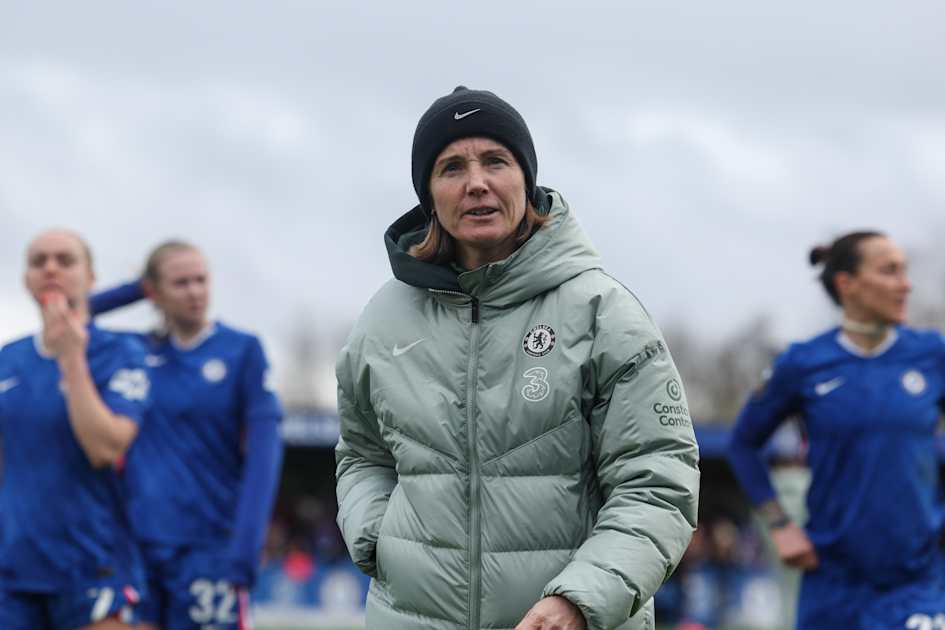
Consult with Professionals: Just as Chelsea’s head coach Sonia Bompastor does, keeping in touch with sports professionals or physiotherapists for an accurate assessment can lead to informed decisions about when to return to training.
-
Gradual Return: After an injury, like Kadeisha Buchanan’s previous ACL tear, returning to full activity should be approached gradually. Engaging in gentle movements and progressively increasing intensity can aid recovery while preventing future injury.
-
Incorporate Rehabilitation: Implement structured rehabilitation sessions, which may involve specific exercises designed to strengthen the injured area and build overall stability.
Positive Recovery Signals
Bompastor also shared uplifting news about Kadeisha Buchanan, who is set to make a return to the squad. After recovering from an ACL injury, she has been actively involved in training, showing signs of confidence. Engaging in lower-impact training, such as participating in matches with youth teams, can provide valuable experience and boost morale.
Continuous Improvement Plans
For athletes and fitness enthusiasts alike, having a plan for ongoing training can significantly enhance recovery and performance. This may involve:
-
Cross-Training: Engaging in different forms of exercise can help maintain overall fitness without overstressing the injury-prone area.
-
Individualized Training Sessions: Personalizing workouts during the recovery phase can also facilitate healing while keeping you engaged and motivated.
Conclusion
Injuries are an unfortunate reality in fitness, but they also present an opportunity to learn and grow. By adopting a thoughtful and structured approach to recovery, anyone can improve their overall fitness journey. Whether you are a seasoned athlete or just starting, listen to your body, seek professional advice, and create a plan that fosters resilience and growth. Remember, it’s not just about bouncing back but evolving into a stronger version of yourself.