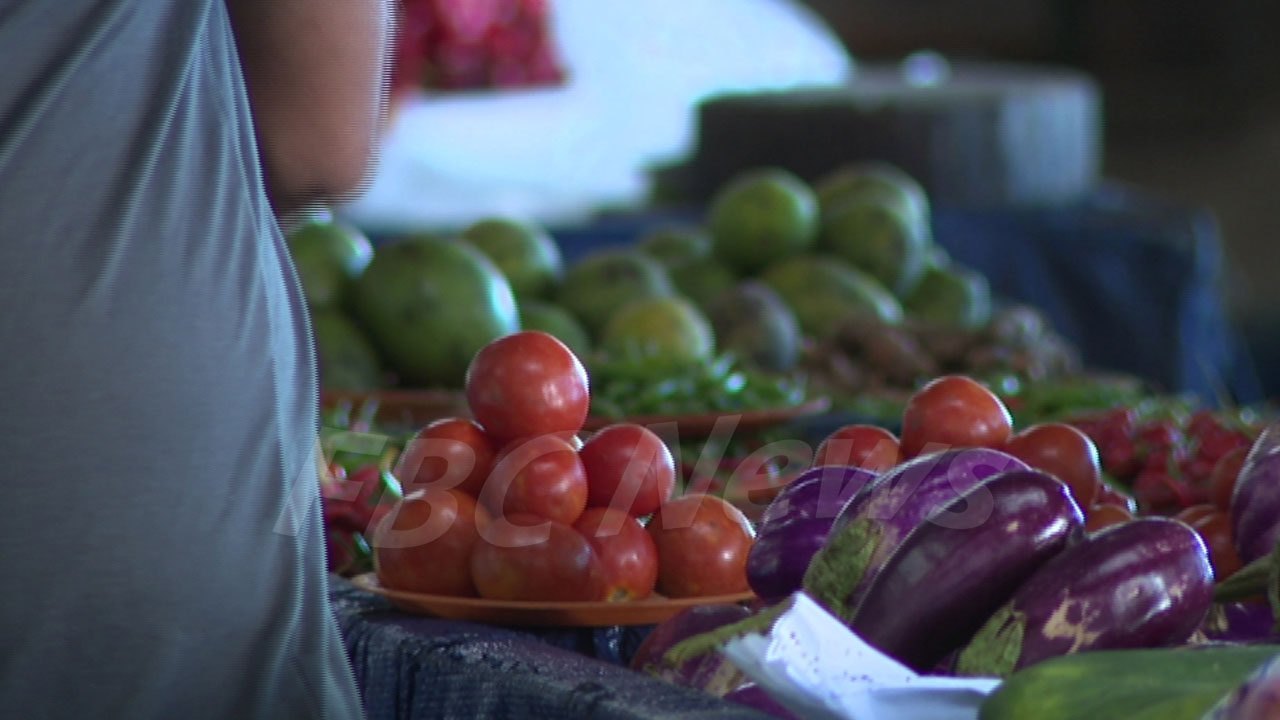
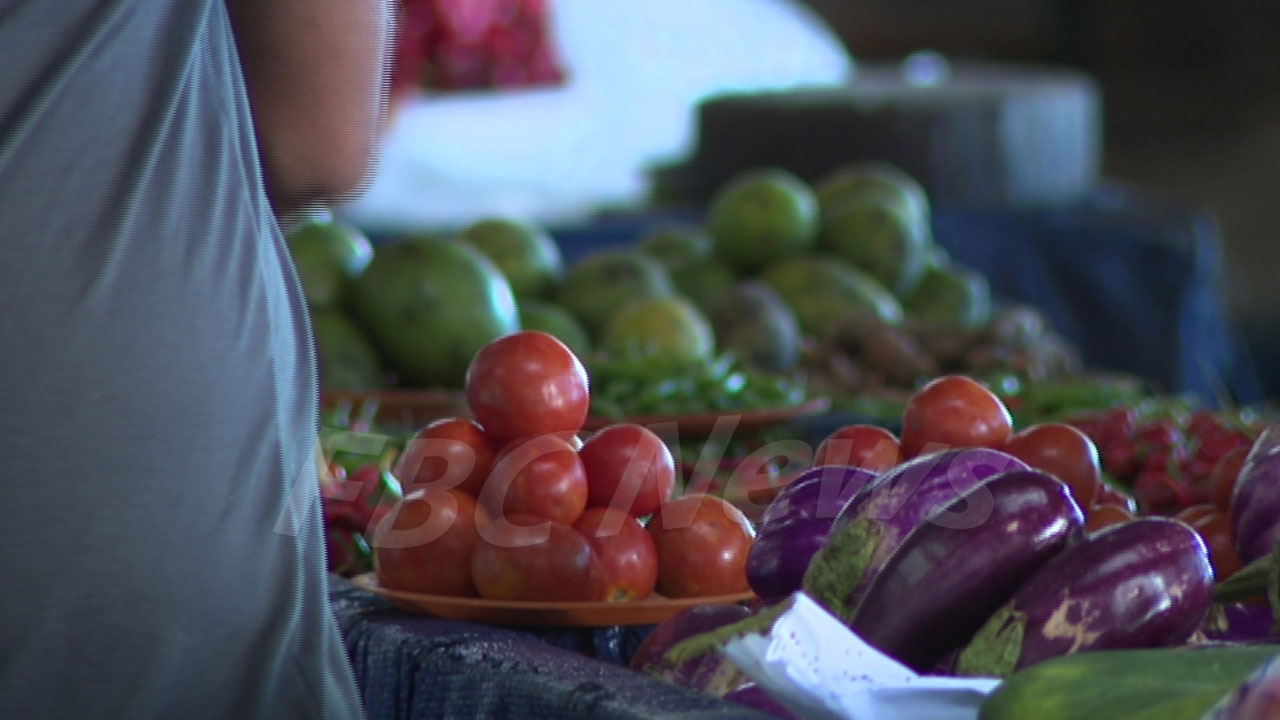
Adopting a diet rich in whole, unprocessed foods may be vital in addressing the increasing prevalence of non-communicable diseases (NCDs), as emphasized by a prominent advocate for plant-based cooking.
Nutritionist Vittoria Pasca highlights the connection between dietary choices and lifestyle-related illnesses, noting that many NCDs, such as heart disease, diabetes, and certain types of cancer, are primarily influenced by unhealthy eating habits.
Referring to the recently published STEP Survey by the Ministry of Health, she stresses the importance of dietary control among the population.
Pasca points out that contemporary diets tend to be excessively high in animal products, saturated fats, sugars, and salt, while significantly lacking in fiber and fresh produce.
“When I encourage the consumption of plant-based foods, I specifically refer to whole, unprocessed options—foods that you can purchase at the market and prepare at home,” she explains.
She also notes that many individuals only eat vegetables once or twice a week, which is far less than the recommended minimum of five servings daily.
“Diet is incredibly important. I would definitely rate it as the most critical lifestyle factor. Diets high in fat and low in fiber, as well as those rich in sugar and salt, represent major health challenges,” she asserts.
Kriti Prasad, Acting Manager of the National Food and Nutrition Center at the Ministry of Health, indicates that the STEP survey has shed light on current food habits in the community.
Health professionals have consistently highlighted that NCDs are among the top causes of mortality within the country, placing immense pressure on families and the healthcare system.
Experts advocate for increased awareness and effective dietary changes at the household level to help reverse this concerning trend.