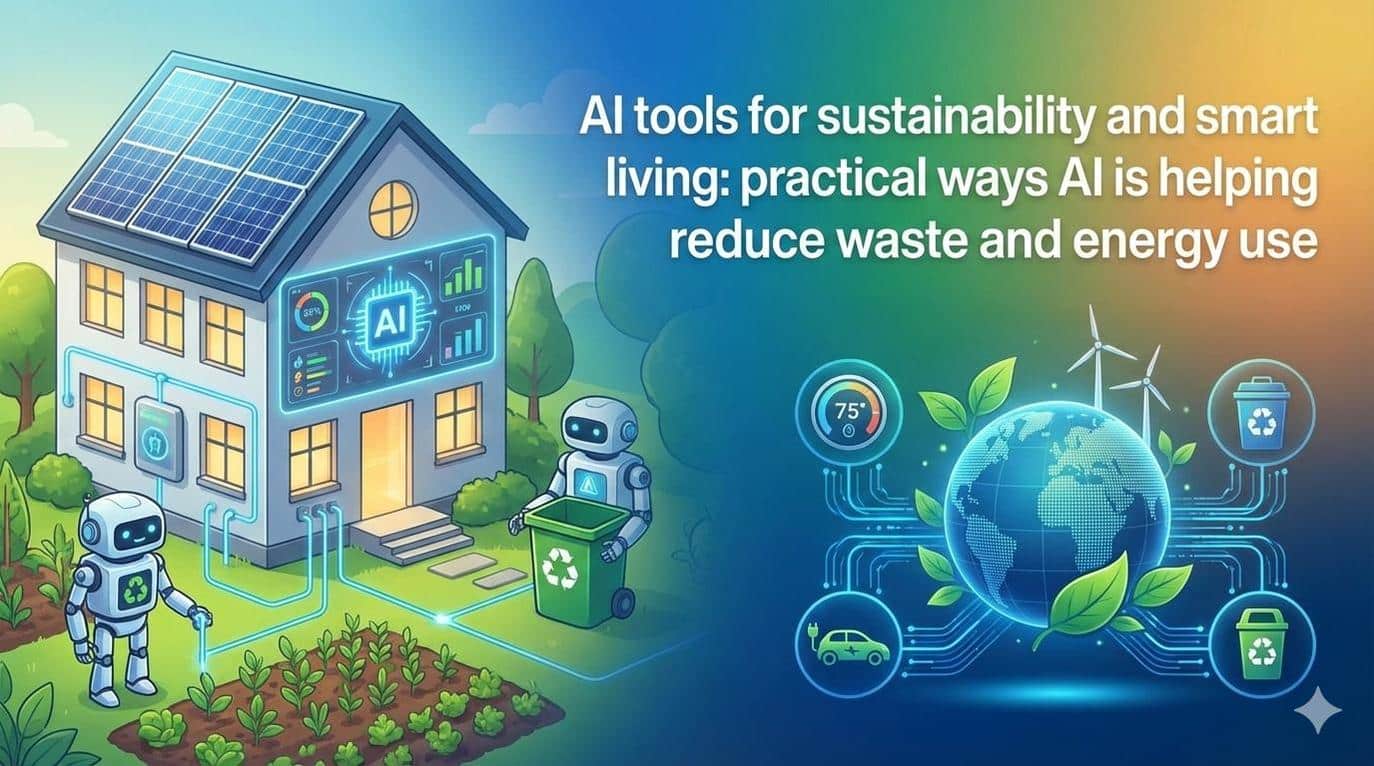
The evolution of Artificial Intelligence (AI) has transformed it from a specialized technical curiosity into a crucial driver of the global sustainability movement. By integrating intelligent algorithms into our transportation systems and energy grids, we are witnessing a paradigm shift in resource management. AI’s capabilities extend well beyond mere convenience; they embody a vital strategy for constructing resilient living environments essential for our planet’s future.
Amid fluctuating energy prices and heightened climate challenges, the transition to smarter living is more pressing than ever. From our homes to industrial supply chains that fuel our economy, AI delivers the predictive accuracy necessary to prevent waste before it manifests. By converting vast amounts of operational data into practical insights, these technologies enable individuals and organizations to make environmentally and economically beneficial choices.
Industry data reveals that AI-enhanced energy management systems can decrease global energy consumption by up to 20%, leading to significant sustainability advancements across buildings, grids, and industrial processes.
Optimizing Smart Living Through Intelligent Energy Management
Given that buildings account for a significant share of global energy consumption, AI technologies are now critical for real-time monitoring and adjustment of HVAC systems, lighting, and appliance usage.
Smart thermostats, such as those created by Google Nest, learn user behavior patterns and automatically adjust indoor temperatures to minimize unnecessary energy use. Similarly, AI-enhanced building management platforms utilize occupancy data and weather forecasts to maximize HVAC system efficiency.
Applying these principles in commercial settings necessitates a robust, high-capacity monitoring framework designed to manage complex electrical loads effectively. Large-scale AI systems can oversee entire facilities, ensuring every kilowatt is monitored during peak hours.
Commercial AI Energy Management Strategies
- Detect energy surges and hidden inefficiencies.
- Automatically adjust lighting in response to natural daylight levels.
- Anticipate peak load periods to avoid additional charges.
- Minimize energy use in unoccupied areas.
Through the implementation of these automated measures, facility managers can evolve from reactive maintenance to proactive resource management. This transition results in reduced overhead costs while enhancing the building’s sustainability profile.
This approach not only lowers carbon emissions but also considerably cuts operating expenses.

Reducing Environmental Impact with AI-Powered Waste Management
Innovative companies are shifting from reactive strategies to proactive waste management systems that uncover inefficiencies long before they affect profit margins.
Retailers and manufacturers are increasingly utilizing machine learning models to precisely predict demand, which substantially helps in minimizing overproduction and excess stock.
Combating Food Waste with Predictive Algorithms
In the food sector, AI-based inventory systems monitor expiration dates in real-time. These platforms recommend dynamic pricing strategies that accelerate product movement, effectively mitigating avoidable food waste.
Smart Recycling and Computer Vision Technology
AI-driven waste sorting systems employ computer vision to accurately identify recyclable materials moving along conveyor belts. By discerning plastics, metals, and paper with greater precision than manual methods, these systems significantly enhance overall recycling efficiency.
Municipalities are implementing AI-powered route optimization for waste collection. This strategy reduces fuel consumption and streamlines fleet operations.
Scaling Renewable Energy Integration with Smart Grid Technology
Because renewable energy sources like solar and wind are inherently variable, AI plays an essential role in balancing supply with demand. Smart grids utilize AI algorithms to:
- Forecast energy production from renewable sources.
- Balance distributed energy loads.
- Automatically redirect electricity during outages.
- Minimize transmission losses.
Leading grid operators now utilize platforms from companies like Siemens and Schneider Electric, leveraging AI-driven forecasting to ensure stability while accommodating unpredictable renewable resources.
This approach enhances energy resilience and decreases reliance on fossil fuels.

Building Resilient and Sustainable Supply Chains Using AI
Global supply chains are notoriously intricate, often concealing inefficiencies that escalate carbon emissions. Visionary logistics teams employ autonomous agentic AI to determine the most fuel-efficient routes while minimizing idle time.
- Optimize logistics routes to decrease fuel consumption.
- Identify and evaluate sustainable suppliers based on carbon footprints.
- Monitor real-time emissions across global operations.
- Anticipate equipment failures to avert material waste.
As these micro-optimizations accumulate across entire fleets, the resulting reduction in carbon emissions becomes both significant and measurable. Transportation systems, like those used by UPS, demonstrate that advanced algorithms are fundamental to reducing unnecessary travel.
Predictive Maintenance in Sustainable Manufacturing
In manufacturing, predictive maintenance frameworks analyze sensor data to prevent machinery failures, thereby prolonging asset lifespans and minimizing material waste.
Leveraging AI for Precision Water Conservation and Management
With water scarcity becoming a critical global issue, AI-driven monitoring systems are leading conservation efforts by providing the necessary data to safeguard this essential resource.
- Detect small leaks in aging water pipeline systems.
- Forecast water demand based on seasonal population fluctuations.
- Optimize irrigation schedules for maximum water efficiency.
Tackling these issues at their source allows urban utilities to prevent significant losses before they affect local communities.
Precision Agriculture and Smart Irrigation Systems
Agricultural AI tools assess soil moisture, weather patterns, and crop health to provide precision irrigation. This method ensures that water is applied only where necessary, thereby minimizing waste and enhancing crop yields.
Urban water utilities leverage anomaly detection algorithms to spot infrastructural problems before they lead to substantial losses.

Designing the Future: AI in Sustainable Urban Planning
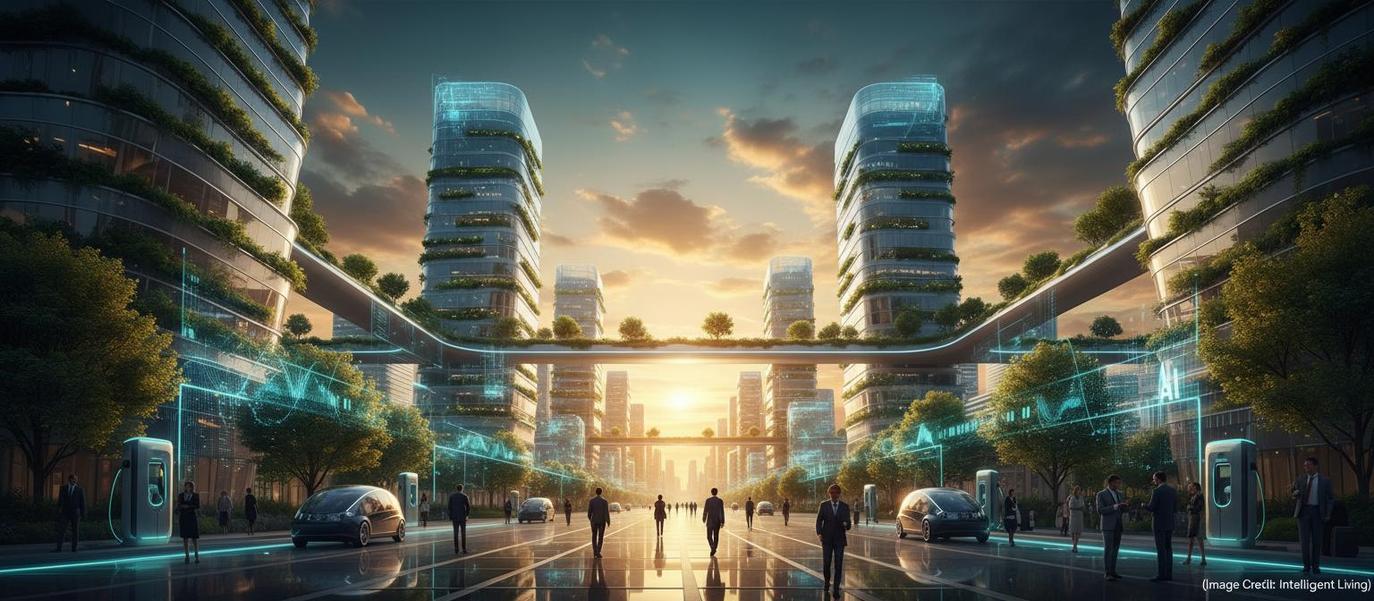
Smart cities leverage AI to oversee traffic management, public transport, and energy distribution.
AI-based traffic systems alleviate congestion by dynamically adjusting signal timings, leading to both reductions in fuel consumption and urban air pollution.
Public transportation systems harness predictive analytics to optimize schedules while minimizing idle emissions from the fleet.
Cities investing in AI-enabled infrastructures are witnessing tangible gains in both environmental performance and operational efficiency.
Empowering Consumers with Smart Living Ecosystems
AI is progressively embedded into everyday consumer technologies.
Smart home systems now consolidate lighting, security, and appliance management into a cohesive platform. Have you considered how a voice assistant could modify your habits? These tools enable users to monitor energy consumption in real-time and automate efficiency practices effortlessly.
EV Charging Optimization and Grid Resilience
Electric vehicle charging systems employ AI to determine optimal charging times based on grid load and energy rates, alleviating pressures on infrastructure and cutting costs for users.
These modest behavioral changes, when scaled across millions of households, can produce a substantial environmental impact.

Driving Corporate Responsibility via Custom AI Sustainability Tools
Firms like Impero IT Services partner with businesses to create tailored AI-powered dashboards and predictive analytics systems. These customized frameworks focus on specific sustainability goals, ensuring that every data point is purpose-driven.
- Oversee real-time energy consumption across various departments.
- Evaluate and report on organizational carbon emissions.
- Automate resource distribution to reduce downtime.
- Develop intelligent reporting systems to enhance stakeholder transparency.
By integrating these solutions into core operations, businesses shift from isolated green initiatives to embedding sustainability as a fundamental aspect of corporate identity, supported by data-driven results.
The Broader Impact
The true strength of AI is its ability to amplify sustainability by converting raw, disparate data into actionable intelligence that fosters tangible change. By transforming data into insights, AI facilitates quicker decision-making, more exact resource allocation, and measurable environmental outcomes.
Some of its key advantages include:
- Lower operational expenses.
- Decreased energy consumption.
- Enhanced recycling and waste management.
- Improved integration of renewable energy.
- Better adherence to environmental regulations.
As AI technology becomes ever more accessible, it is poised to become a crucial foundation for all future sustainability efforts.

Embracing a Resilient Future Through AI for Sustainability
The adoption of AI in our everyday lives signals a shift away from regarding eco-friendly living as a secondary goal. Today, we can seamlessly integrate sustainability into our urban infrastructures and domestic settings. These innovations offer more than just reduced carbon footprints; they serve as a blueprint for a future where technological advancement and environmental stewardship coexist harmoniously.
Organizations that embrace these predictive frameworks stand to gain a distinctive edge in navigating the complexities of a resource-conscious global marketplace. By placing priority on efficiency and long-term sustainability, we are not only conserving energy but also establishing a more sustainable foundation for future generations.
Practical Insights: AI and Sustainable Living
How does AI help with sustainability?
AI processes real-time data to enhance energy efficiency, decrease industrial waste, and refine the effectiveness of renewable energy sources.
Can AI reduce my monthly energy bills?
Indeed, smart home devices like AI thermostats adapt to your routines, minimizing heating and cooling waste and frequently resulting in notable savings.
What are the best AI tools for smart homes?
Systems like Google Nest and AI-enhanced appliances assist with monitoring resource use and effortlessly automating energy-saving practices.
How is AI used in modern recycling?
Advanced computer vision technologies identify and sort recyclable materials far more accurately than manual sorting, enhancing overall processing efficiency.
What is the benefit of AI in supply chains?
Logistics teams harness AI to determine the most fuel-efficient routes and predict equipment failures, effectively reducing unnecessary distance traveled and material waste.