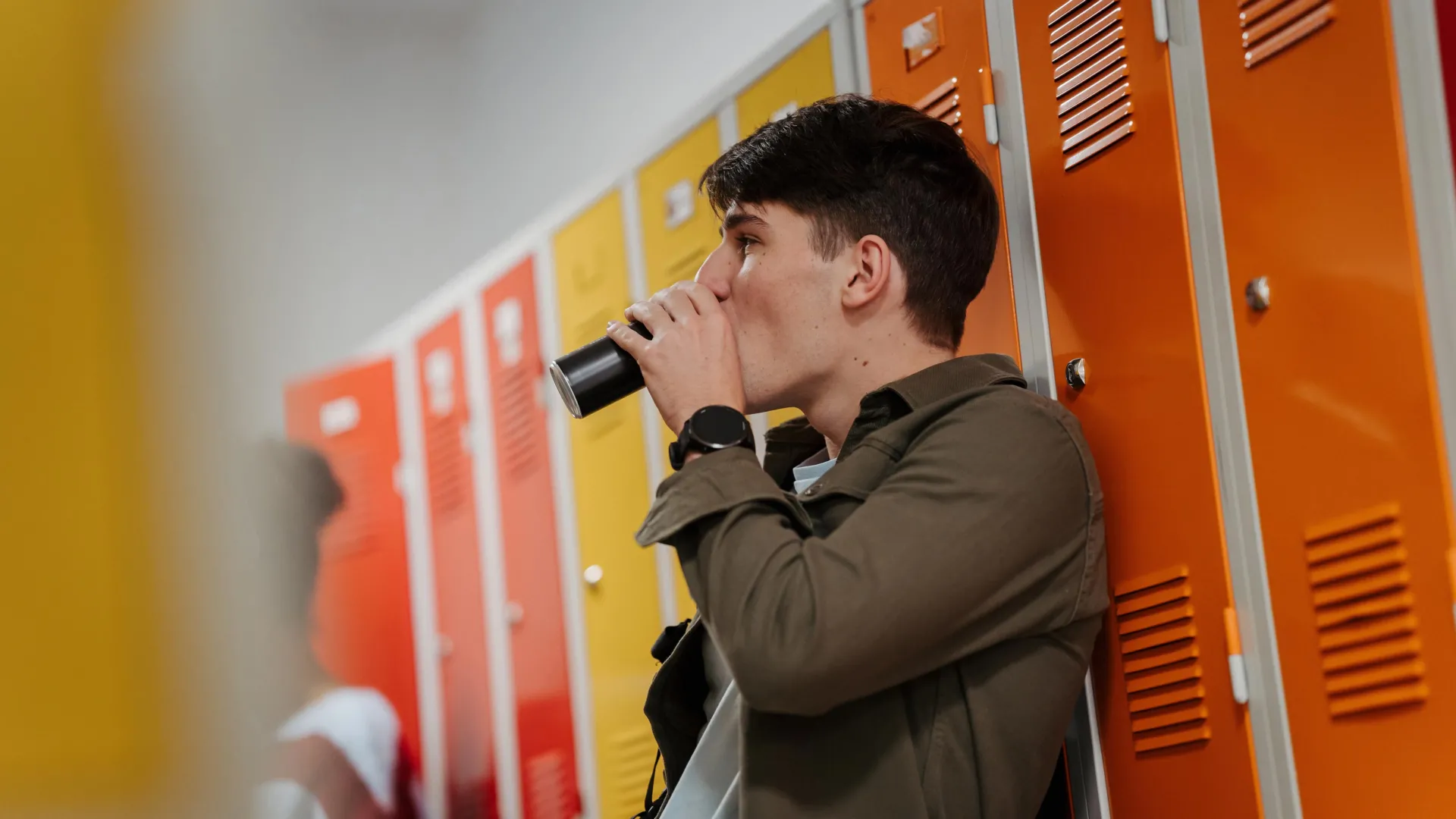
Recent research highlights a notable link between the intake of sugary beverages and anxiety symptoms among teenagers.
This new study, conducted by researchers at Bournemouth University, offers a comprehensive review of previous research exploring the connections between diet and mental health. By analyzing a wide array of data, the team sought to identify patterns that consistently appeared across various adolescent demographics. The findings were published in the Journal of Human Nutrition and Dietetics.
Mental Health Often Overlooked in Diet Research
“Despite the growing concerns surrounding adolescent nutrition, most public health campaigns focus primarily on the physical ramifications of unhealthy eating, such as obesity and type-2 diabetes,” stated Dr. Chloe Casey, a Lecturer in Nutrition and co-author of the study. “The mental health aspects of diet, especially concerning energy-dense but nutrient-poor drinks, have not received the same level of scrutiny,” she added.
Anxiety disorders are among the most prevalent mental health issues faced by young individuals. As of 2023, approximately one in five children and adolescents are grappling with mental health disorders, with anxiety being one of the most frequently reported conditions.
Survey Data Links Sugary Beverages to Anxiety Symptoms
The review incorporated studies that utilized survey data to assess both the consumption of sugary drinks and associated mental health symptoms. Sugary beverages can encompass fizzy sodas, energy drinks, sweetened juices, flavored teas and coffees, and flavored milks.
Across the analyzed studies, a consistent finding emerged: higher consumption of sugary drinks correlated with an increased incidence of anxiety symptoms among adolescents.
Association Does Not Prove Cause
The researchers emphasized that the evidence does not indicate that sugary drinks are a direct cause of anxiety. Since the review was built upon prior studies, it cannot definitively establish cause and effect relationships.
It is plausible that teenagers already experiencing anxiety might gravitate towards sugary drinks. Additionally, other factors—like family dynamics or sleep disorders—could simultaneously influence both sugary drink consumption and anxiety symptoms.
“While we cannot confirm a direct causal relationship at this point, this study highlights an unhealthy link between sugary drink consumption and anxiety disorders in young people,” said Dr. Casey. “The rising rate of anxiety disorders among adolescents underscores the necessity of identifying modifiable lifestyle habits to mitigate the risk of this trend,” she concluded.
The research was spearheaded by Dr. Karim Khaled, a former PhD student at Bournemouth University, who is currently affiliated with Lebanese American University in Beirut.
Key Takeaways
- A strong association has been found between sugary drink consumption and anxiety symptoms in teenagers.
- Surveys reveal consistent results linking sugary beverages to increased anxiety reports.
- The evidence does not confirm causation, suggesting other factors may play a role.
- Identifying lifestyle changes could help address rising anxiety disorders among adolescents.
- Research emphasizes the need to consider mental health implications in dietary studies.
FAQ
What types of drinks are considered sugary?
Sugary drinks include fizzy sodas, energy drinks, sweetened juices, flavored teas and coffees, and flavored milks.
Does this study prove that sugary drinks cause anxiety?
No, the study identifies an association but does not establish causation, as other factors may influence both sugary drink consumption and anxiety symptoms.
Why is this research important?
This research highlights the often-overlooked relationship between diet and mental health, emphasizing the need to consider mental health in dietary discussions.
How prevalent are anxiety disorders among adolescents?
As of 2023, approximately one in five children and adolescents are reported to have mental health disorders, with anxiety being one of the most common.
Who led the study?
The study was led by Dr. Karim Khaled, a former PhD student from Bournemouth University, now at Lebanese American University in Beirut.