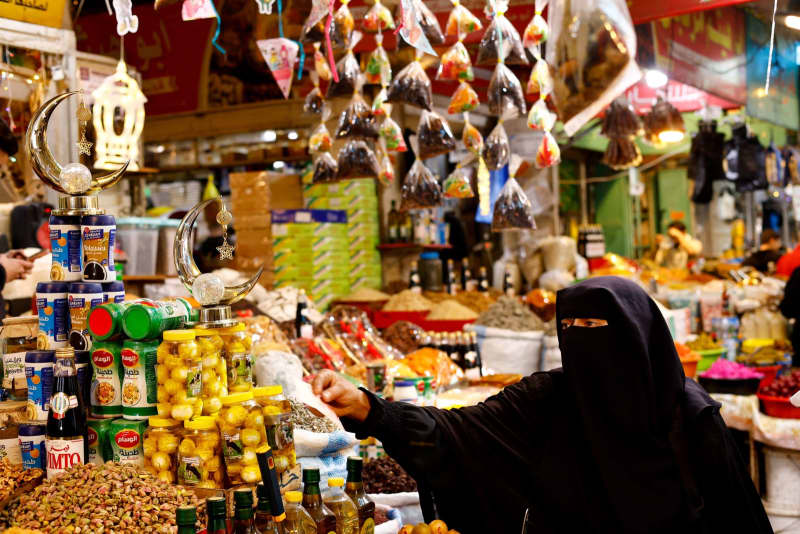
The candy market in Gaza is experiencing an unprecedented surge in demand, as Israeli manufacturers respond to a growing appetite for sweets, soft drinks, and energy drinks. This situation has emerged particularly in the lead-up to Ramadan, highlighting the complexities of trade and supply in the region.
Israeli producers have reported rapidly depleting inventories after the Israeli government authorized the entry of their products into the Gaza Strip. This significant increase in demand was noted by a large candy manufacturer, who shared his observations with Walla on Monday.
“Two and a half months ago, I started receiving calls from all kinds of importers looking for goods to send to Gaza. At first, it was reasonable quantities, but it increased,” he informed Walla.
Following the ceasefire in Gaza, Israel consistently allows around 700 humanitarian aid trucks each day to enter the area, carrying essential supplies such as food, shelter, and medical equipment.
COGAT has publicly reported the daily influx of 600 to 800 aid trucks since the ceasefire, as detailed in a December report by The Jerusalem Post.

Items are displayed for sale as Palestinians prepare for the holy fasting month of Ramadan, in Gaza City, February 17, 2026. (credit: REUTERS/Mahmoud Issa)
Industry insights reveal that Israeli merchants are fulfilling large orders, even for items nearing expiration. Notably, negotiation on prices is uncommon as Gazan merchants often pay significantly above prevailing rates in Israel.
Goods are transported into Gaza through private channels and resold in local markets, generating considerable profit for multiple parties involved in the supply chain. Upon arrival, the products are handed off to licensed local resellers.
The Israeli government closely oversees this process, deciding in December 2025 that all shipments deemed as aid must be processed through a select group of “approved suppliers.”
These suppliers charge an inspection fee of approximately NIS 10,000 per truck, along with a 5% brokerage fee based on the goods’ value, leading to an average additional cost of NIS 15,000 per truck. This expense is typically included in the final price of the products entering the Strip.
“One of the suppliers told me he hasn’t had any red Coke in his stores for a week because it’s all been emptied out,” the manufacturer mentioned.
“He went to the beverage company and pressured them to give him more inventory. Some of the ‘approved suppliers’ from COGAT called me and asked for 100 pallets overnight. I tried to explain that I don’t have any.”

Palestinian craftsman Mohannad al-Najjar makes Ramadan lanterns from used soft drink tin cans to bring joy to children despite scarce resources, in Khan Younis in the souther (credit: REUTERS/Haseeb Alwazeer)
Suppliers concerned over whom they are selling to
The manufacturer expressed minor concerns about the possibility of his products reaching individuals with harmful intentions but added, “in the end, the goods move one way or another.”
“What astounds me,” he remarked, “is that getting a truck into Gaza used to take a month of preparation. Today, it seems that countless trucks are entering Gaza effortlessly.”
“It’s become a point,” he continued, “where a meat supplier told me he had three trucks he wanted to fill with [Ramadan] goods, as they fetch thirty or forty percent above market rates there.”
Jerusalem Post Staff contributed to this report.
Key Takeaways
- Significant demand for candy and soft drinks has surged in Gaza ahead of Ramadan.
- Israeli manufacturers have struggled to keep up with rising orders.
- Goods are often sold at prices above the Israeli market rate in Gaza.
- Private channels facilitate the transport and resale of products within Gaza.
- The Israeli government mandates inspections through approved suppliers for aid shipments.
FAQ
What types of products are experiencing increased demand in Gaza?
Sweets, soft drinks, and energy drinks are in high demand as Ramadan approaches.
How many humanitarian aid trucks enter Gaza daily?
Approximately 600 to 800 humanitarian aid trucks are allowed to enter Gaza each day.
What challenges do suppliers face in fulfilling orders?
Supplier concerns include rapid depletion of stock and ensuring products do not reach harmful entities.