Market Overview
Soft drinks encompass a range of non-alcoholic beverages including carbonated drinks, flavored waters, fruit-based beverages, and ready-to-drink refreshment options. Their popularity stems from their ability to hydrate, provide flavor, and offer convenience, making them a significant segment of the global food and beverage industry. With an array of flavors, formulations, and packaging options available, soft drinks cater to diverse consumer preferences.
In Japan, the soft drinks market thrives due to the nation’s vibrant retail culture and shifting consumer habits. Vending machines, convenience stores, and supermarkets provide a wide selection of beverages, ensuring easy access at any time. Japanese consumers often seek out drinks with unique flavors, moderate sweetness, and additional functional benefits.
By 2025, the Japan soft drinks market is projected to reach a value of USD 38,572.57 million, with forecasts suggesting it will grow to approximately USD 53,295.30 million by 2034. This growth represents a compound annual growth rate of 3.66% from 2026 to 2034, driven by product innovation, evolving consumer preferences, and an expanding selection of premium and low-sugar beverage options.
Role of Innovation in Market Development
-
Low-Sugar and Health-Oriented Formulations
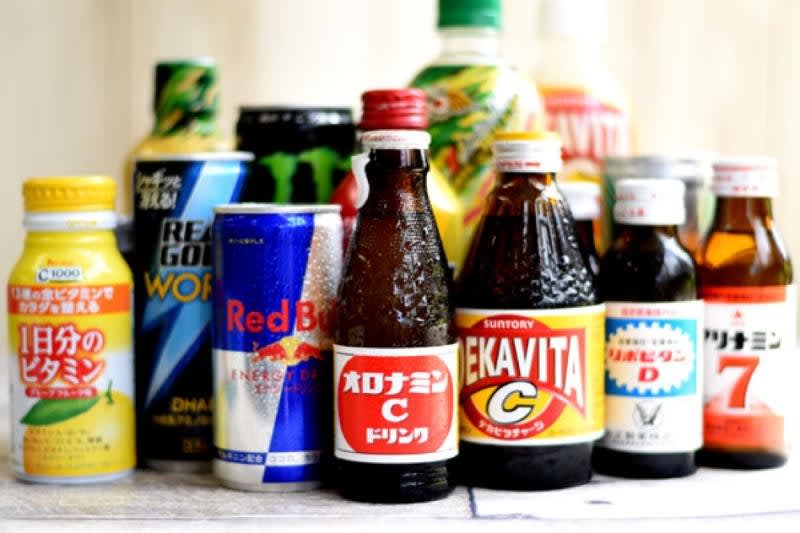
There is a growing trend among manufacturers to offer low-sugar, sugar-free, and reduced-calorie soft drink choices. These products appeal to health-conscious consumers who want refreshing options without excessive sugar. Additionally, functional beverages enriched with vitamins, minerals, or botanical elements are on the rise.
-
Flavor Diversity and Seasonal Products
Japanese beverage companies frequently launch new and limited-edition flavors. Seasonal selections, regional specialties, and innovative ingredient combinations keep consumers engaged and inclined to try new offerings.
-
Sustainable Packaging Initiatives
With sustainability becoming paramount, many companies are opting for recyclable materials, lightweight bottles, and environmentally friendly packaging designs. These efforts resonate with consumers who are increasingly aware of sustainability issues.
Japan Soft Drinks Industry Trends and Drivers
-
Strong Convenience Store and Vending Machine Networks
The extensive presence of vending machines and convenience stores in Japan greatly facilitates soft drink distribution. This accessibility enables consumers to purchase beverages at their convenience, promoting frequent buying and impulse purchases.
-
Rising Demand for Functional and Premium Drinks
There is increasing consumer interest in drinks that offer additional benefits such as energy, hydration, or digestive support. Premium soft drinks that feature high-quality ingredients and distinct flavors are also capturing the attention of consumers looking for sophisticated choices.
-
Changing Consumer Preferences
Today’s consumers are becoming more mindful of their dietary selections. This awareness is fostering the development of beverages that prioritize natural ingredients, lower sugar levels, and functional properties, further driving innovation in the market.
Japan Soft Drinks Market Segmentation
By Product Type
• Carbonated soft drinks
• Fruit-based drinks
• Functional beverages
• Flavored water
• Others
By Packaging Type
• Bottles
• Cans
• Cartons
• Others
By Distribution Channel
• Supermarkets and hypermarkets
• Convenience stores
• Vending machines
• Online retail
• Others
By Region
• Kanto Region
• Kansai / Kinki Region
• Chubu Region
• Kyushu–Okinawa Region
• Tohoku Region
• Chugoku Region
• Hokkaido Region
• Shikoku Region
This segmentation outlines the various categories of beverages, packaging formats, distribution channels, and regional influences that shape Japan’s soft drinks landscape.
Competitive Landscape
The landscape of the Japan soft drinks market includes prominent domestic beverage manufacturers, international brands, and niche drink producers. Competition is driven by product innovation, brand loyalty, flavor variety, and robust distribution networks.
Companies emphasizing health-conscious formulations, high-quality ingredients, and sustainable packaging are enhancing their market presence. Frequent product launches along with a strong retail strategy also foster competitive advantages.
Market Outlook
The Japan soft drinks market is poised for steady growth as consumer preferences shift towards healthier, functional, and premium beverage options. Continuous product innovation, sustainability efforts, and user-friendly distribution channels will contribute to long-term market evolution.
With the ongoing introduction of new flavors, enhanced formulations, and eco-friendly packaging, the soft drinks industry is set to remain a vital component of Japan’s consumer goods sector.
Key Takeaways
- The Japan soft drinks market is expected to grow to approximately USD 53.3 billion by 2034.
- Health-conscious consumers are driving demand for low-sugar and functional beverage options.
- Japanese companies frequently introduce new and seasonal flavors to engage consumers.
- Sustainability initiatives are gaining traction in the industry, influencing packaging choices.
- Convenience store and vending machine access significantly supports beverage sales.
FAQ
What types of beverages fall under soft drinks?
Soft drinks include carbonated drinks, flavored waters, fruit-based beverages, and functional drinks.
Why is the Japanese soft drinks market growing?
The market is expanding due to evolving consumer preferences, product innovation, and an increased focus on health and sustainability.
How do convenience stores contribute to the soft drinks market?
Japan’s extensive network of convenience stores makes soft drinks readily accessible, encouraging frequent purchases.
What packaging options are commonly used in the soft drinks market?
Common packaging formats include bottles, cans, and cartons.