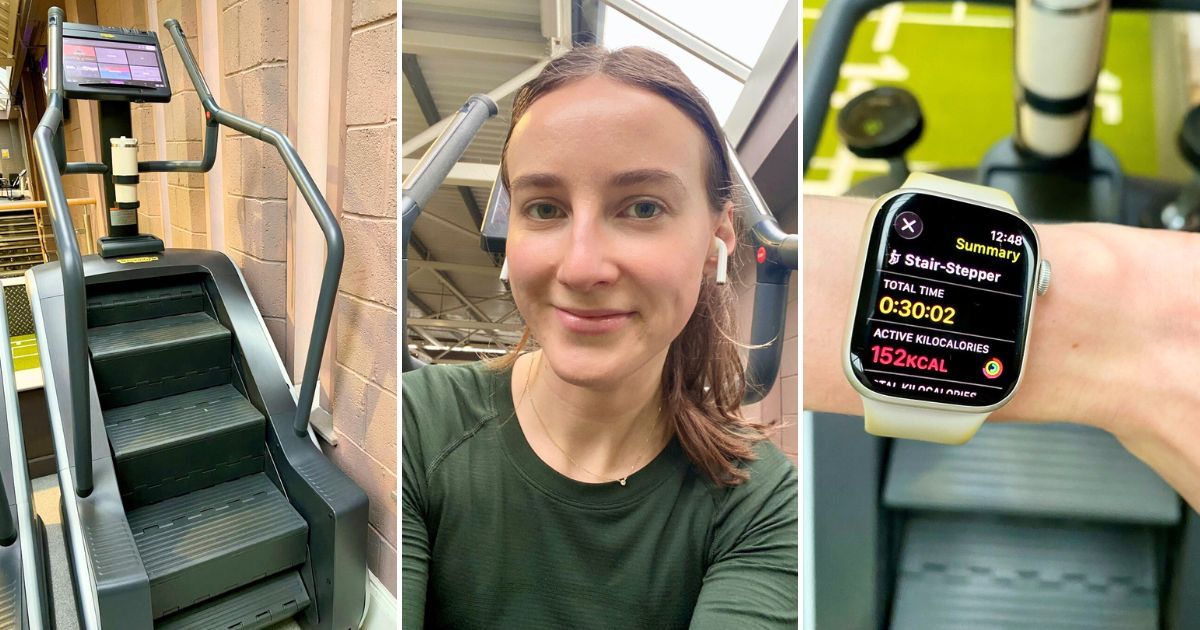
Recently, the step machine, or Stairmaster, has made a comeback in the fitness world, especially on platforms like TikTok. Fitness enthusiasts are demonstrating various workouts on this gym staple, from slow, glute-focused climbs to challenging weighted routines. This resurgence highlights a versatile piece of equipment that many have overlooked for years.
Generally, I lean towards traditional strength training or a good Pilates session, making the intimidating step machine an easy one to pass by. However, curiosity got the best of me. With its rising popularity, I decided to incorporate the step machine into my routine for two weeks to assess whether this classic cardio machine truly deserves its latest acclaim.
Keep reading for my insights along with tips from experts on how to maximize the step machine’s benefits.
My Experience with Daily Step Machine Workouts
What is the Step Machine?
If you’ve noticed a lineup at a tall, somewhat daunting cardio machine in your gym, that’s likely the step machine. Designed to mimic climbing stairs, it offers a dual benefit: a robust lower-body strength workout combined with cardio. More intense than it appears, this machine works your body harder than traditional flat surfaces.
According to personal trainer Annie Openshaw, the machine’s unique demands stem from the necessity for continuous hip and knee extension, which engages crucial muscle groups in the glutes, quads, hamstrings, and calves. Thus, it’s not solely about elevating your heart rate; each step intensifies muscular effort.
The step machine comes in different forms, either with rotating steps akin to a classic ‘StairMaster’ or independent foot plates creating a similar movement. Regardless of the appearance, the objective remains consistent: sustained stepping that builds endurance while simultaneously improving balance and coordination.
Benefits of Using the Step Machine
The fascination surrounding the step machine is certainly tied to its multifaceted advantages. First and foremost is its cardiovascular benefit. Climbing against gravity helps elevate your heart rate, pushing you into a satisfying aerobic zone that can lead to improved endurance.
Personal trainer Carly Corrigall notes that ascending on the step machine can enhance aerobic capacity, reduce blood pressure, and promote heart health—elements extensively documented in research correlating stair climbing with better cardiovascular outcomes.
Moreover, the strength-training elements are substantial. Openshaw emphasizes that the step machine significantly engages the glutes and quadriceps. Research supports this, illustrating heightened glute activation compared to more level cardio activities, effectively blending strength training into your cardio routine.
Another essential aspect is functional fitness. Regular use of the step machine replicates everyday movements, such as stair climbing—skills we utilize in our daily lives. This functional training directly translates to improved balance, coordination, and strength for day-to-day activities.
Trying the Step Machine: My Review
Week One: Initial Insights
I have to confess: prior to this experiment, I often disregarded the step machine, favoring other forms of lower-body workouts. However, on my first day using it, I quickly realized how effective it could be. Within minutes, my heart rate surged, and my glutes worked overtime, revealing the machine’s true challenge.
To ensure proper technique, I consulted personal trainer Sarah Campus, who advised maintaining good posture, engaging my core, and resisting the temptation to lean heavily on the handrails, thus maximizing muscle activation. At first, balancing proved tricky, requiring a high level of focus as I adjusted to the machine’s constant movement.
By the end of week one, I was drenched in sweat and aware that I had barely scratched the surface of its capabilities.
Week Two: Progress and Challenges
Moving into week two, I felt more confident on the step machine—enough to incorporate dumbbells for added intensity. Let me tell you, that significantly ramped up the difficulty level.
The combination of weights led to a sharper increase in heart rate and bodily fatigue. Completing a full 20 minutes felt considerably more challenging, yet the euphoric rush from the workout was unparalleled. Holding weights also required me to focus even more on my footing, eliminating the safety net provided by the handlebars.
Incorporating Corrigall’s advice to “take proper steps” helped me improve the quality of my workout. She encouraged me to activate my posterior chain effectively by pushing through my heels rather than staying on my tiptoes. This subtle shift in technique enhanced my awareness and engagement of the glutes and hamstrings. Mindful exercise became a theme, reminding me of the importance of intentional movement.
By the conclusion of my two-week trial, I had become a fan: the step machine is demanding yet refreshing, and I plan to include it regularly in my fitness routine.
Shop MC UK Approved Fitness Essentials Here:
How Often Should You Use the Step Machine?
You’re free to use the step machine daily if that suits you. However, fitness experts recommend including recovery time between workouts for optimal results. According to Corrigall, “For general health and fitness, two to three times a week is ideal. If you’re new to exercise, once or twice a week for about ten minutes is a great starting point.”
In conclusion, the step machine is much more than just another cardio option. It offers a variety of physical benefits and can seamlessly fit into your overall fitness regimen. Whether you’re looking to build endurance, strength, or simply spice up your workouts, this efficient machine deserves a spot in your gym routine.