In a decisive stance regarding the situation of Australian citizens in Syria, Prime Minister Anthony Albanese has stated that the government will not bring back individuals linked to Islamic State members. This announcement has drawn attention to the plight of families stranded in Syria and the broader implications of their choices.
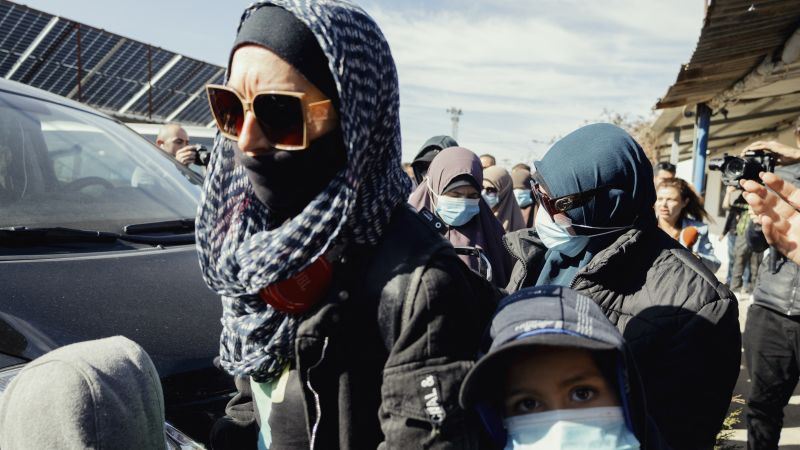
His remarks came after reports indicated that 34 Australian women and children were denied passage by Syrian authorities. These individuals had left a detention camp housing ISIS members with hopes of returning to Australia through Damascus.
The group, consisting of 11 families, had departed from the Al-Roj camp in northeastern Syria. However, Syrian officials informed them that their departure procedures were incomplete and travel was not permitted, according to the Associated Press.
Hakmiyeh Ibrahim, the director of the camp, mentioned that the repatriation efforts were organized by family members who traveled from Australia to assist them. The timeline for a potential re-attempt of the journey remains uncertain.
“We won’t repatriate them,” Albanese stated during an interview with the ABC. He emphasized that these individuals chose to support Islamic State and engage with those advocating for a caliphate.
Australia, along with the US, UK, and other nations, faces increasing pressure to repatriate thousands of its citizens who have been trapped in Syrian detention camps since the fall of the Caliphate over five years ago.
Amnesty International and various NGOs have raised alarms about severe human rights violations occurring in these camps, where detainees, including many who were coerced into joining ISIS or were born into the Caliphate, reportedly face torture, gender-based violence, and forced disappearances.
While some countries have initiated the complex process of repatriating their citizens, the pace has been slow, hampered by national security concerns and domestic opposition.

The Al-Roj camp, where the 34 Australians have been living, is notable for housing individuals such as Shamima Begum, who joined ISIS at the age of 15 and was later stripped of her British citizenship.
Australia has previously facilitated the return of groups of women and children with ties to ISIS from Syrian refugee camps in 2019 and 2022.
Additionally, last year, two Australian women and four children managed to escape Syria on their own, returning home through Lebanon without official Australian support, according to the ABC.
A spokesperson for the Australian government stated that the nation “is not and will not repatriate people from Syria.”
“Our security agencies have been closely monitoring the situation in Syria to ensure that they are prepared for any Australians seeking to return,” the spokesperson emphasized.
“Individuals in this group need to understand that if they have committed a crime, they will face legal consequences upon returning to Australia.”
Save the Children has long championed the rights of Australian citizens in Syrian detention and even took the federal government to court in 2023 to expedite their repatriation, but lost. While the organization is not involved in the current attempts by these Australians to flee the camp, it continues to urge the government to take action.
“These innocent children have already lost precious years of their childhood and deserve the chance to rebuild their lives safely at home and reintegrate into the Australian community,” stated Mat Tinkler, CEO of Save the Children Australia.
The downfall of Syria’s long-time leader, Bashar al-Assad, in 2024 has further complicated the situation for those residing in detention camps. The new government has been diminishing the presence of the Kurdish-led Syrian Democratic Forces, who previously fought ISIS with the support of the US, in control of northern Syria, including the detention facilities.
Recently, a group of UN experts called on over 50 countries to swiftly repatriate, rehabilitate, and reintegrate thousands of foreign nationals held in detention while ensuring accountability in line with international law.
Earlier this week, the UN Refugee Agency reported that many residents had departed from the Al-Hol camp, another major detention site in Syria, with plans by the Syrian government to relocate them.
In a related note, the US announced this week that over 5,700 “adult male ISIS fighters” were transferred from detention in Syria to custody in Iraq. The UN expert group had previously criticized this action, asserting that it violated detainees’ rights to due process and exposed them to inhumane conditions.
Key Takeaways
- Australian Prime Minister Anthony Albanese declares no repatriation for citizens linked to ISIS.
- 34 Australian women and children were turned back by Syrian authorities after leaving a detention camp.
- Pressure is increasing on Australia and other countries to repatriate citizens trapped in Syrian camps.
- Amnesty International warns of severe human rights violations occurring in these camps.
- Save the Children advocates for the repatriation of innocent children from these detention facilities.
- The situation remains complex following the political changes in Syria affecting detention camps.
FAQ
Will Australia ever repatriate ISIS-linked citizens?
Currently, the Australian government has stated that it will not repatriate individuals associated with ISIS.
What are the living conditions in the detention camps?
Reports indicate widespread human rights abuses in the camps, including torture and violence.
Have any Australians returned from Syria recently?
Yes, a few Australians have managed to return independently, but official repatriations have been minimal.
What is Save the Children doing about this situation?
Save the Children is actively advocating for the repatriation of Australian children trapped in Syrian detention camps.
The complex and evolving nature of this situation underscores the necessity for ongoing dialogue and effective policy responses as nations confront the ramifications of past actions and the humanitarian needs of those affected.