The Supplemental Nutrition Assistance Program (SNAP), commonly known as food stamps, is a crucial resource that enables eligible individuals to purchase a variety of groceries. While basic food items are widely accepted, recent legislative changes are set to alter what is permissible under the program. Here’s an overview of these impending restrictions.
Understanding SNAP Benefits
SNAP benefits allow recipients to buy a range of groceries, described as eligible groceries. This includes everything from fresh produce to meats, grains, and even certain snack items deemed “junk foods” such as soda, chips, and candy.
Several states, including Arkansas, Florida, Texas, and others, are revising their guidelines to prohibit the purchase of specific “junk foods” starting in 2026. Follow along as we detail what to expect from these changes.
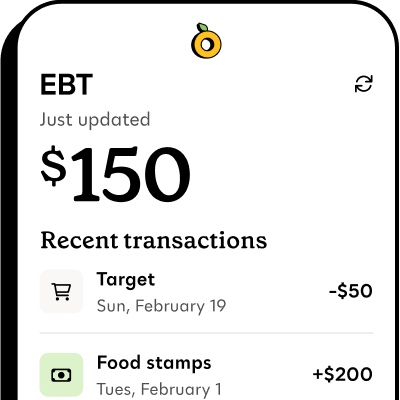
Propel is the #1-rated EBT balance checking app
What Purchases Are Allowed?
In many areas, SNAP benefits can be used to buy nearly any food item in grocery stores, broadly covering products with a “nutrition facts” label. Eligible items typically include:
- Fruits and vegetables
- Dairy products
- Grains, meat, and seafood
- Snack foods including chips, cookies, and ice cream
Upcoming Restrictions
Beginning in 2026, some states will impose bans on specific food items. The most commonly restricted products include:
- Soda and soft drinks: This generally applies to regular or diet sodas and may extend to certain energy drinks and sweetened beverages.
- Candy: Items such as chocolate bars, gum, and other sweets may become ineligible.
- Snack foods: Certain chips, cookies, and packaged snacks are also on the chopping block.
- Frozen convenience foods: While basic frozen fruits and vegetables will still qualify, some prepared meals may see new restrictions.
States have differing definitions and restrictions, which means what is permissible may vary depending on your location.
Individual State Restrictions
As of January 2026, 18 states have received approval to enforce specific limitations regarding SNAP purchases:
- Arkansas: Will restrict purchases of soda, candy, and certain fruit drinks.
- Colorado: Plans to prohibit soft drinks, with some exceptions.
- Florida: Will no longer allow the purchase of soda, energy drinks, and prepared desserts.
- Hawaii: Will ban sweetened soft drinks that exceed a sugar threshold.
- Idaho: Will restrict candy and soda purchases.
- Indiana: Plans to exclude soft drinks and candy.
- Iowa: Proposes limiting items taxable under state law, potentially including candy and soda.
- Louisiana: Will ban soft drinks and candy.
- Missouri: Plans to restrict candy and unhealthy drinks.
- Nebraska: Will include bans on soda and energy drinks.
- North Dakota: Will restrict candy and sweetened beverages.
- Oklahoma: Plans to prohibit candy and soft drinks.
- South Carolina: Will limit certain sweetened beverages.
- Tennessee: Will ban processed sugary foods.
- Texas: Plans to restrict sweetened drinks and candy.
- Utah: Will define and restrict soft drinks.
- Virginia: Will prohibit sweetened beverages.
- West Virginia: Will ban soda and sweetened drinks.
Key Takeaways
- SNAP benefits are set to undergo significant changes starting in 2026.
- Restrictions primarily target sugary snacks and sweetened beverages.
- State regulations regarding SNAP purchases will vary widely.
- The implementation of these changes could affect millions of SNAP recipients.
FAQ
What are SNAP benefits?
SNAP benefits, also known as food stamps, allow eligible individuals to purchase groceries and food items from authorized retailers.
Which items will be restricted under new SNAP rules?
Beginning in 2026, states may restrict items such as soda, candy, and certain packaged snack foods from being purchased with SNAP benefits.
Where can I find more information about SNAP restrictions in my state?
You can check with your local SNAP office or visit official state resources for the most accurate and updated information.
Will all states implement the same restrictions?
No, each state has the authority to set its own restrictions, which may lead to differences in what is permissible.
In summary, the upcoming adjustments to SNAP guidelines reflect a growing trend towards limiting the purchase of processed foods and beverages. As states roll out specific regulations, it’s essential for recipients to stay informed about what items they can purchase using their benefits.