New Dietary Guidelines Spark Debate in the U.S.

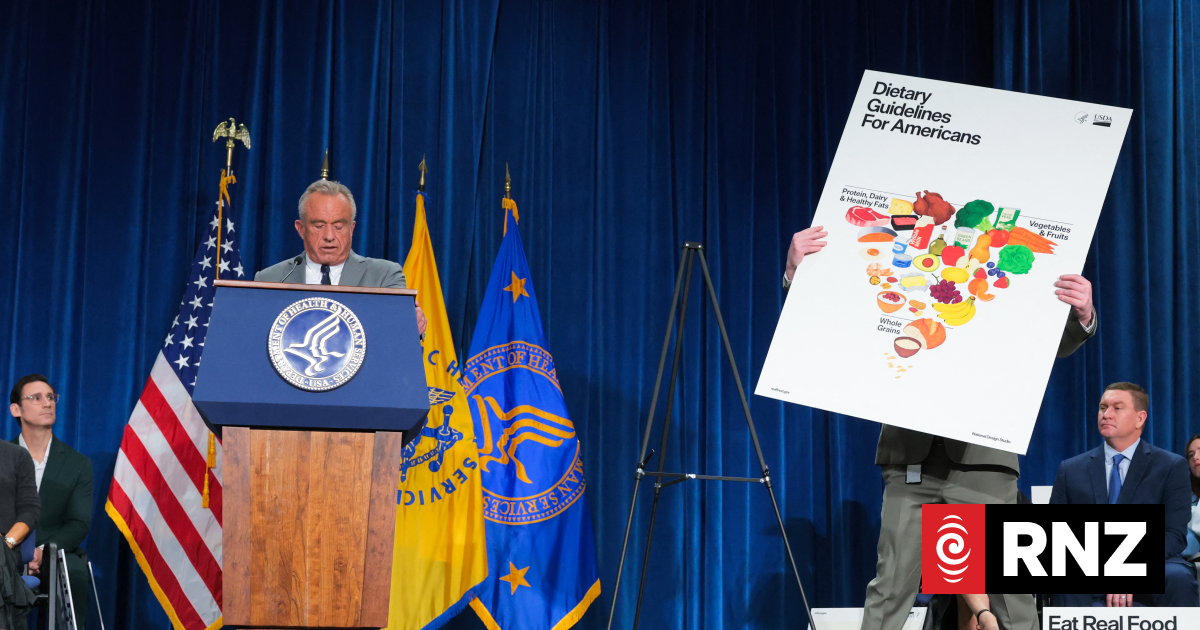
U.S. Secretary of Health and Human Services Robert F. Kennedy Jr. unveils the department’s new dietary guidelines food chart during a policy announcement event.
Photo: ANNA MONEYMAKER/ Getty Images via AFP
New Dietary Guidelines from the U.S. Challenge Conventional Wisdom
In January, the release of the latest Dietary Guidelines for Americans captured public attention, primarily due to a strikingly revised food pyramid that has been turned on its head. However, the health community is now scrutinizing the intricate details behind these guidelines—looking closely at the content as well as the influences shaping them.
Renowned food and health journalist Niki Bezzant comments, “The process for establishing dietary guidelines in America is quite rigorous and often spans several years.” The Dietary Guidelines Advisory Committee typically compiles a report with recommendations that undergo a thorough review process.
This time, however, nearly half of the original recommendations were dismissed, necessitating the formation of a new committee composed of members with strong ties to beef, dairy, and protein supplement industries. This raises questions about how the current guidelines were developed.
According to Bezzant, “Despite claiming to be rooted in gold-standard science, the justifications presented lack substance, as observed by nutrition experts and global nutrition organizations.” She references critiques from the Center for Science in the Public Interest, The Journal of the American Medical Association, and the Physicians Committee for Responsible Medicine.
In a recent episode of The Detail, Bezzant and dietitian Caryn Zinn discuss the modifications in the guidelines and the processes that led to these changes, along with their implications for New Zealand and the reliability of the science emanating from the White House.
Zinn expresses concerns about potential misinterpretations of the guidelines, remarking, “The biggest issue is that people might dismiss these guidelines entirely because of their origin, which is problematic.” Under the new guidelines, protein, dairy, healthy fats, vegetables, and fruits are prioritized at the broad top of the inverted pyramid, while whole grains now sit at the base. Sugars have been notably omitted, creating some confusion.
“The visual alteration could have been handled better,” Zinn notes. “The intention was to reframe our thinking about food hierarchy, but the new graphic complicates that understanding.” Despite its complexities, Zinn acknowledges several positive aspects, including:
- Prioritization of whole, real foods over ultra-processed alternatives.
- A clear message that no amount of added sugar is deemed nutritious.
- Increased emphasis on protein intake, especially animal-based over plant-based sources.
- A reduction in recommended daily servings of grains.
The revised guidelines also embrace healthy fats, favoring options such as butter, olive oil, and beef tallow, while endorsing full-fat dairy without any suggestion to reduce fat content.
This approach has sparked controversy given the ongoing debate about saturated fat’s link to heart disease. Zinn warns that it is “unlikely” for individuals to adhere to the suggested levels of saturated fats while consuming fatty meats, oils, and butter as advocated.
So, what impact do these guidelines actually have in the U.S., and how might they influence perceptions in other countries?
In the United States, these guidelines serve as a framework for policy decisions and food programs in settings such as schools and nursing homes. In New Zealand, their influence may permeate public perception regarding food choice, though this could manifest positively or negatively.
“These guidelines could definitely shape attitudes and eating habits, since everyone is exposed to similar content,” shares Bezzant. “Ironically, most people, not just in America but globally, do not adhere to official dietary advice. In fact, statistics show that fewer than 10% of New Zealanders consume the recommended daily amount of vegetables.”
Bezzant warns that the danger lies in oversimplified takeaways from these American guidelines. The visually impactful inverted pyramid might lead people to think, “Let’s eat more steak and butter.” However, she cautions, if individuals resort to a diet heavy in refined grains, fats, and sugars, this will not lead to healthier outcomes.
Stay Informed
For more insights, follow and listen to The Detail here.
Keep up with updates by liking us on Facebook or following us on Twitter.


