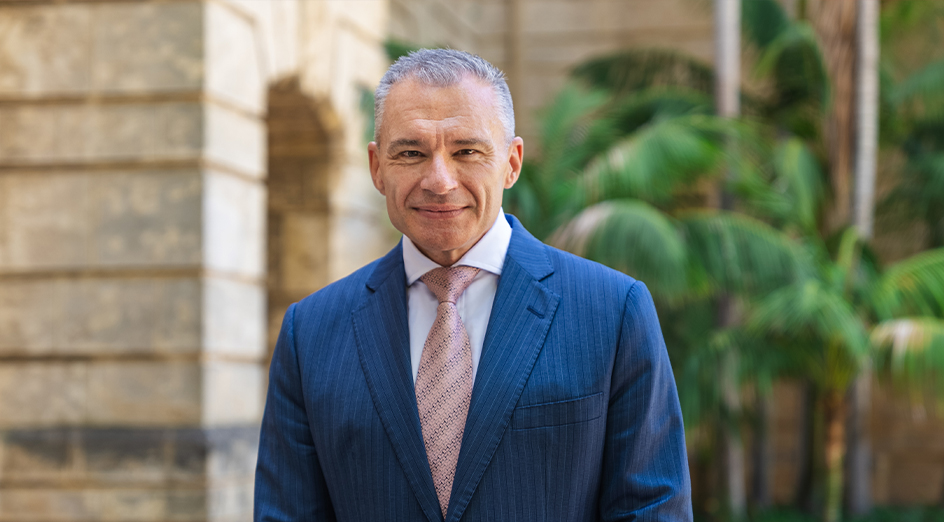
By Professor Guy Littlefair, Deputy Vice-Chancellor (Education and Student Experience) at UWA
In today’s academic landscape, the emergence of artificial intelligence (AI) presents both unique opportunities and formidable challenges. While it may seem like universities have lagged in adapting to AI’s influence on teaching and learning, the intricate reality is far more nuanced.
Higher education institutions have been navigating the complexities of integrating AI while simultaneously addressing its potential risks for several years. This balancing act has sparked significant dialogue at conferences, with an increasing emphasis on how we can best collaborate with this evolving technology.
At the University of Western Australia (UWA), we have taken proactive steps to tackle the implications of AI, notably our decision to forgo the use of AI detection tools in academic settings.
Our choice was made after careful consideration and ongoing scrutiny of technological advancements in this field. The growing body of evidence indicates that AI detection tools are often unreliable, inequitable, and ill-suited for high-stakes assessments.
This perspective is echoed across various Australian institutions; several universities have chosen not to implement AI detection, while others have opted to discontinue their use altogether. Within the Group of Eight universities, a significant number have also abstained from employing such tools.
Numerous incidents have surfaced where students faced accusations of cheating based on incorrect AI assessments, prompting us to question the validity of relying on these technologies.
Instead of engaging in adversarial and punitive measures rooted in questionable academic practices, we advocate for a fundamental reevaluation of how students’ work is assessed. Thus, we are prioritizing a comprehensive redesign of student assessments to enhance their validity, ensure authorship assurance, and uphold academic integrity.
To support our educators in this initiative, we have allocated resources towards the redesign of assessments. Our Learning and Assessment Design team, established only six months ago, has already facilitated workshops on assessment and feedback for approximately 350 participants.
Efforts are underway to provide teaching staff with GenAI-resilient assessment examples and clear guidelines for the responsible use of AI in evaluations.
In a somewhat distinctive move within the Australian higher education sector, UWA’s Learning and Assessment Design team will collaborate closely with our Academic Integrity unit. This partnership aims to streamline processes and improve reporting systems to alleviate administrative burdens on academic staff, while aligning misconduct reporting more closely with our assessment redesign efforts.
Both units are housed within our newly established Centre for Integrity and Impact in Teaching Excellence, which serves as a vital resource for staff, offering support tools such as Cadmus and Feedback Fruits to tackle integrity challenges.
We are also conducting a thorough review of our assessment and academic integrity policies, with plans to share our findings for consultation later this year.
It’s critical to note that UWA continues to maintain rigorous invigilated final exams. In 2025, for instance, we had around 98,000 exam sittings in secured environments, reinforcing our commitment to ensuring that students demonstrably achieve their learning outcomes.
While we acknowledge the complexities posed by the pervasive integration of GenAI in academia, we remain steadfast in our commitment to assist both staff and students in adopting this transformative technology responsibly and ethically, while preserving the fundamental assurance of our students’ education.
This is undoubtedly a challenging era for universities, as we confront the most significant technological disruption since the rise of the internet in the 1990s. Adapting to these changes necessitates more than superficial solutions; a fundamental shift in our approach is essential.
Addressing the concern of academic dishonesty is not new, yet we must enhance our strategies for tackling these issues. We are fortunate at UWA to have some of the most brilliant minds working on these challenges, and we are confident in our ability to navigate the complexities that lie ahead.