 “I go with the word ‘serious.’ A serious budget problem. I would stop short of calling it a crisis.”
– Legislative Analyst Gabriel Petek, discussing California’s $68 billion deficit
An Introduction to California’s Challenges
California has long been a land of dreams and opportunities, but today, it faces significant challenges. From soaring taxes to rampant homelessness, the state’s current state raises questions about its future. Having lived there for nearly 45 years, I can reflect on not just what California was, but also what it has transformed into over the years.
What Was It Like?
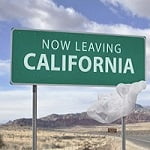
California will always hold a special place in my heart. After nearly 45 years of residency, we made our California exodus in July 2022, and I have no regrets. Each day away from California feels like a new blessing. Reflecting on our time there leads to three fundamental questions: What was it like? What happened? What is it like now?
The answer to the first question brings a wave of nostalgia. I remember a California that seems to have faded into the past, a time filled with unique characters and eccentric adventures.
In the early 20th century, California was a haven for visionaries and oddballs before the excessive concrete expansion took hold. Howard Hughes, a brilliant yet unpredictable figure, would test his flying machines in Beverly Hills, often with chaotic results.
Yet, perhaps the most emblematic oddball was Simon Rodia, an Italian immigrant who built the remarkable Watts Towers. Between swigs of malt liquor, he spent 34 years constructing towering sculptures in his backyard before vanishing from Los Angeles, leaving behind a legacy now celebrated as a National Historic Landmark.
Then there was Griffith J. Griffith, a mining magnate whose troubled past included an infamous incident where he shot his wife. In a bid for redemption, he donated Griffith Park and funded the City’s observatory, preserving some of California’s natural beauty in an era of rampant development.
What Happened?
These whimsical characters thrived during a time when government oversight was minimal, crime rates were low, and optimism flourished. The state began a monumental property boom that lasted over five decades, where even the most outlandish business ideas seemed destined for success.
Imagine purchasing an old mail service boat, as John Clearman did, and thriving by selling cheese toast and salad from it on a prime corner lot in the San Gabriel Valley. Those days, unburdened by excessive regulations, felt freer and more innovative.
Today, however, the spirit of private eccentricity has faded, smothered by layers of bureaucratic red tape. In its place stand state-sanctioned initiatives, like the first-ever Transgender History Month, alongside other measures that seem to reflect public folly rather than meaningful governance.
Over time, the state and local governments have become dominated by strict control and regulation, transforming once vibrant urban areas into struggling metropolises. The burden of funding ongoing waste and mismanagement has made it nearly impossible for hardworking individuals to secure a better future.
What Is It Like Now?
Today, California is characterized by high taxes, decaying infrastructure, misguided political agendas, and a growing homeless population. In Los Angeles alone, over 46,000 homeless individuals struggle each night, with the overall count in Los Angeles County exceeding 75,000.
The staggering amount of money allocated to combat homelessness seems ineffective, as these numbers continue to rise. Understanding the system is crucial; the focus of the homeless industrial complex appears less about helping individuals off the streets and more about accumulating funds for its own perpetuation.
According to a 2022 city audit, the cost to build a single housing unit for a homeless person in Los Angeles can soar to $837,000. Compounding this issue, the lengthy approval processes can delay necessary projects for years, as seen in Boyle Heights where it took 17 years to build just 49 affordable units.
This phenomenon is not confined to Los Angeles. In San Jose, it costs about $938,700 to construct a single affordable housing unit. The staggering expenses seem to be a part of California’s broader homeless industrial landscape.
California Circles the Toilet Bowl
Numerous other instances of governmental absurdity can be found throughout the state. The California Teachers Association, for example, has been known to withhold students’ gender identities from their parents, a decision fueled by legal policy.
We also see initiatives like the Ebony Alert, a distorted version of the Amber Alert system, and state-mandated gender-neutral toy aisles that impose fines for noncompliance.
At this point, it’s apparent that California is circling the drain. With a lack of funds to sustain the bloated bureaucracy and misguided policies, the future of the Golden State appears bleak. As stated in the Executive Summary by the Legislative Analyst’s Office:
“California Faces a $68 Billion Deficit. Largely as a result of a severe revenue decline in 2022-23, the state faces a serious budget deficit. Under current law and policy, we estimate that the Legislature will need to rectify a budget problem of $68 billion in the upcoming budget cycle.”
Currently, the top 1% of taxpayers contribute 50% of California’s income tax revenue, with the top 0.1% covering a third of that sum. Politicians often exploit this progressive tax system to make extravagant promises to non-taxpayers.
As CalMatters highlights, Governor Newsom may tackle the deficit using $24 billion of emergency funds and reallocating $10 billion set aside for various essential programs.
This plan would reduce the $68 billion deficit by half, but the question remains: Where will the remaining $34 billion come from? Will it be sourced from the top 1%?
The top income tax rate is set to increase from 13.3% to 14.4% on January 1, and individuals earning over $61,214 will find their state income tax rate jump to 10.4% from 9.3%. This adds to existing federal taxes and numerous local fees, exacerbating the financial strain on residents. And let’s not overlook inflation as a contributing factor to diminishing purchasing power.
Indeed, California has become a place where it’s better to be from than to live in. As the state continues its downward spiral, the exodus of residents persists.
[Editor’s note: Today, more than ever, unconventional investing ideas are crucial. Learn how to protect your assets and financial privacy through the Financial First Aid Kit.]
Sincerely,
MN Gordon
for Economic Prism
Return from California Circles the Toilet Bowl to Economic Prism

