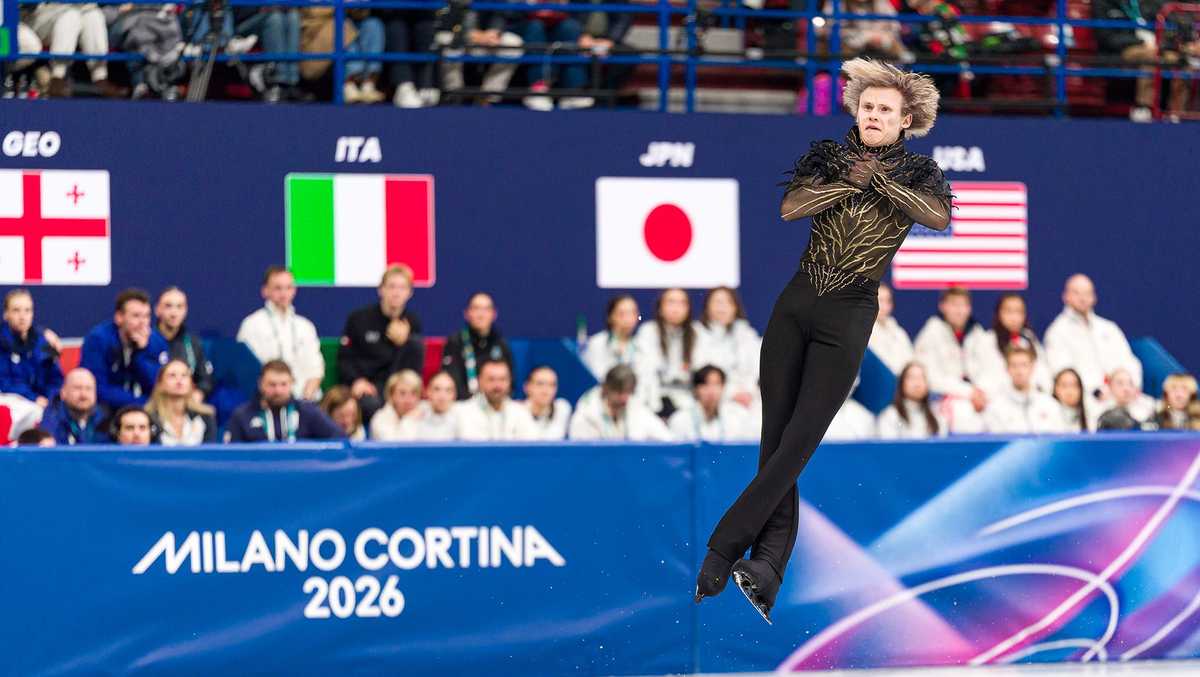
As elite athletes converge in northern Italy for the 2026 Winter Olympics, they will undoubtedly indulge in the nation’s renowned pasta and pizza while meticulously adhering to their nutrition plans. For many Olympians, understanding when and what to eat is as vital as their rigorous training on ice, snow, or track. Inside the main dining hall of the Milan Olympic Village, a variety of menus cater to the unique nutritional requirements and cultural preferences of the athletes and team officials. This extensive operation prepares around 3,000 eggs and approximately 450 kilograms of pasta daily, according to the Olympics website.
The dining hall serves roughly 3,400 meals each day across six food stations, aligning perfectly with athletes’ training regimens. Nutrition is essential for supporting “actual physical training” and optimizing performance, explains Kristen Gravani, a performance and food allergy dietitian at Stanford University who has collaborated with numerous Olympic athletes.
Given their intense activity levels, Olympic athletes often consume and expend significantly more energy than the average individual. For example, during his Olympic training, US swimmer Michael Phelps reported eating around 10,000 calories daily, while Jamaican sprinter Yohan Blake claimed that consuming 16 ripe bananas each day was his secret to success.
Beyond extreme caloric intake, there are several nutrition practices that anyone can adopt from these elite sportspeople. While the dietary recommendations Gravani provides for Olympians are tailored distinctly for their needs, she believes that the general public can still draw inspiration from their eating habits.
When to Eat
In high-stakes competitions, the timing of nutrition can significantly influence athletes’ training, recovery, and performance, notes Dr. Dan Benardot, a professor at Emory University and a registered dietitian for several Team USA athletes.
Recall an experience Benardot shared: “When I was working with the US marathon team, I inquired about their eating patterns. They told me they would wake up for a morning run, then have breakfast afterward. I had to stop them there and say, ‘That’s already a mistake.'”
One crucial takeaway is that athletes should eat something before starting their training sessions, even if it’s just a small amount. “Just enough to regulate blood sugar and hydration,” he advises.
What to Eat
Gravani also suggests that the average person enjoy a quick snack prior to exercising. However, timing is only one aspect; the nature of that snack can influence training and performance.
A Preworkout Snack
“A preworkout snack I recommend is a low-fiber fruit or crackers,” Gravani shares. “If time permits, pair it with a bit of protein or fat, like a banana with some peanut butter.” A creative option is to slice bananas, place them in muffin cups or ice tray molds, top each slice with peanut butter, and freeze them to make delightful frozen banana peanut butter cups.
A Postworkout Snack
Recovery is equally important, and Gravani emphasizes the value of post-exercise nutrition. “I recommend consuming a mix of protein and carbohydrates, adjusting the carbohydrate ratio based on the workout’s endurance demands.” For instance, endurance workouts call for more carbs, while shorter strength-focused sessions require less. A smoothie featuring protein powder, fruit, and liquid can be an excellent post-training choice.
Benardot often recommends beet juice, which may enhance fat metabolism and alleviate muscle soreness, aiding recovery after strenuous workouts. Beetroots are full of antioxidants and have anti-inflammatory properties. A review in the journal Sports Health noted that short-term beetroot supplementation could potentially hasten post-exercise recovery.
In general, consuming anti-inflammatory foods is beneficial for recovery, particularly in high-performance sports like the Winter Olympics, according to Jessica Arquette, a registered dietitian at Ohio University. “Key antioxidants are vitamins A, C, E, the mineral selenium, and omega-3 fatty acids, which can be found in a variety of foods like colorful fruits, vegetables, nuts, and healthy fats such as salmon, flax and chia seeds,” she explains.
Arquette elaborates, “For most benefits with beetroot, precovery is crucial for athletes engaged in high-intensity sessions,” though she notes that more evidence is needed before making blanket recommendations.
Pair Iron with Vitamin C
Food quality is critical, especially for athletes competing at high altitudes where oxygen availability is lower, Benardot says. “To optimize red blood cell formation essential for capturing oxygen, athletes need adequate iron, vitamin B12, and folic acid.”
These nutrients play a significant role in hemoglobin production—the protein that transports oxygen in red blood cells. Insufficient intake may hinder an athlete’s ability to utilize fat for energy, leading to premature fatigue.
“Many associate iron intake exclusively with meat, but there’s a way to enhance the absorption of iron from vegetables,” Benardot explains. Pairing iron-rich foods like spinach with vitamin C, such as lemon juice, enhances iron’s bioavailability.
‘Get a Variety of Colors’
Both Benardot and Gravani encourage diversity in dietary choices. “I recommend varying your diet. There’s no perfect food; aim for as many different foods as possible,” he advises.
Gravani also emphasizes the importance of variety. “People, even elite athletes, often fall into a rhythm with their go-to foods. Mix it up! If you had green vegetables yesterday, try an orange one today to benefit from different phytonutrients.”
Consuming a colorful array of foods will provide diverse vitamins, minerals, and antioxidants that benefit recovery while supporting gut health. “Even at the highest levels of competition, enjoying food should still be fun,” she adds.
Diversify Protein Sources
According to Benardot, varying protein sources consumed at different times is also crucial. Consuming approximately 20 to 40 grams of protein every three to four hours has been shown to be effective for muscle growth and strength.
“However, it’s essential to avoid excessive protein intake at any one time, as this could lead to dehydration,” he cautions.
How Often to Eat
Both Benardot and Gravani advocate for Olympic athletes to eat smaller, more frequent meals throughout the day rather than three substantial meals.
“I definitely recommend smaller, frequent meals. Typically, three meals and two to three snacks are preferable, tailored to the individual’s needs,” Gravani states. “This approach helps avoid extreme hunger or fullness.”
Regular small meals can maintain stable blood sugar levels, preventing the crashes that often follow larger meals. Low blood sugar typically occurs two to four hours after eating.
When advising athletes to enhance meal frequency, Benardot acknowledges their concerns about potential weight gain. “I suggest they don’t consume all their breakfast at once. Instead, have a little, save some for mid-morning. Apply the same approach to lunch and dinner to support steady energy levels throughout the day,” he shares.
“This ensures they still consume the same amount of food but spread it out better, enhancing energy balance and nutrient utilization.”
In conclusion, while the dietary needs of Olympic athletes are unique, their nutritional wisdom can inspire everyday individuals to improve their own eating habits. By understanding the timing, variety, and balance of meals, anyone can enhance their own health and performance.


