In recent developments, Hollywood studios and creative organizations are expressing significant concerns regarding a new artificial intelligence video model from ByteDance. This emerging technology, which they argue facilitates widespread copyright violations, has sparked a robust debate in the entertainment industry.
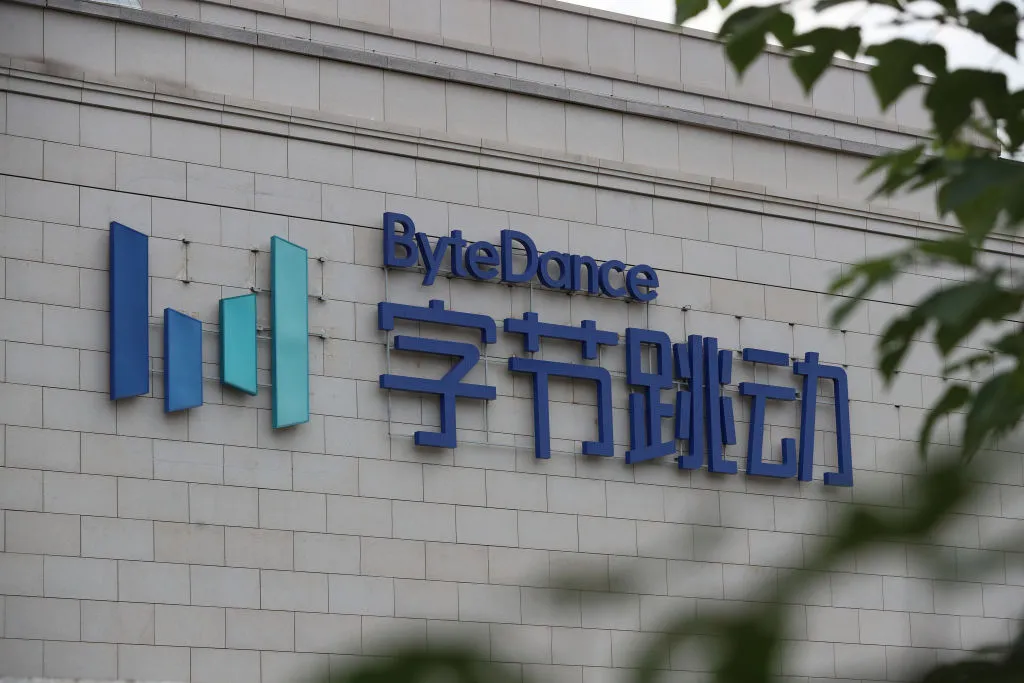
The Chinese technology firm, which recently concluded a transaction to divest TikTok’s U.S. operations while retaining a stake in the newly formed joint venture, unveiled Seedance 2.0 earlier this week. As reported by the Wall Street Journal, the upgraded model is currently accessible to users in China through ByteDance’s Jianying app, with plans for global distribution via the CapCut app.
Seedance 2.0 empowers users to create short videos—up to 15 seconds long—by simply entering text prompts. Similar to other AI tools like OpenAI’s Sora, this model has faced criticism from industry groups for lacking adequate safeguards against the generation of content that could mimic real individuals or breach protected intellectual property rights.
The apprehensions intensified after a user on X shared a video featuring actors Tom Cruise and Brad Pitt in a fictional fight scene, claiming it was produced using a brief prompt in Seedance 2.0. Renowned screenwriter Rhett Reese, known for his work on “Deadpool,” warned that this technology could spell trouble for creators.
In response, the Motion Picture Association issued a statement from its CEO, Charles Rivkin, urging ByteDance to suspend the service.
“In a single day, the Chinese AI service Seedance 2.0 has engaged in unauthorized use of U.S. copyrighted works on a massive scale,” Rivkin asserted. He accused ByteDance of releasing the product without adequate protections against infringement, compromising copyright laws that are essential for millions of jobs in the U.S.
The Human Artistry Campaign, supported by various Hollywood unions and trade groups, criticized Seedance 2.0 as a direct assault on creators globally. The actors’ union SAG-AFTRA declared its solidarity with studios in opposing what it termed as blatant infringement made possible by the new model.
Reports indicate that videos generated by Seedance have included characters owned by Disney, such as Spider-Man, Darth Vader, and Grogu, often referred to as Baby Yoda. Axios reported that Disney has issued a cease-and-desist letter accusing ByteDance of creating and distributing derivative works featuring its characters without authorization.
Disney has previously raised similar issues with other tech firms, including Google, while also engaging in licensed partnerships, such as a multiyear licensing agreement with OpenAI.
According to Variety, Paramount has sent its own cease-and-desist letter to ByteDance, claiming that content produced through Seedance closely resembles its films and television shows, both visually and audibly.
TechCrunch has reached out to ByteDance for a comment.