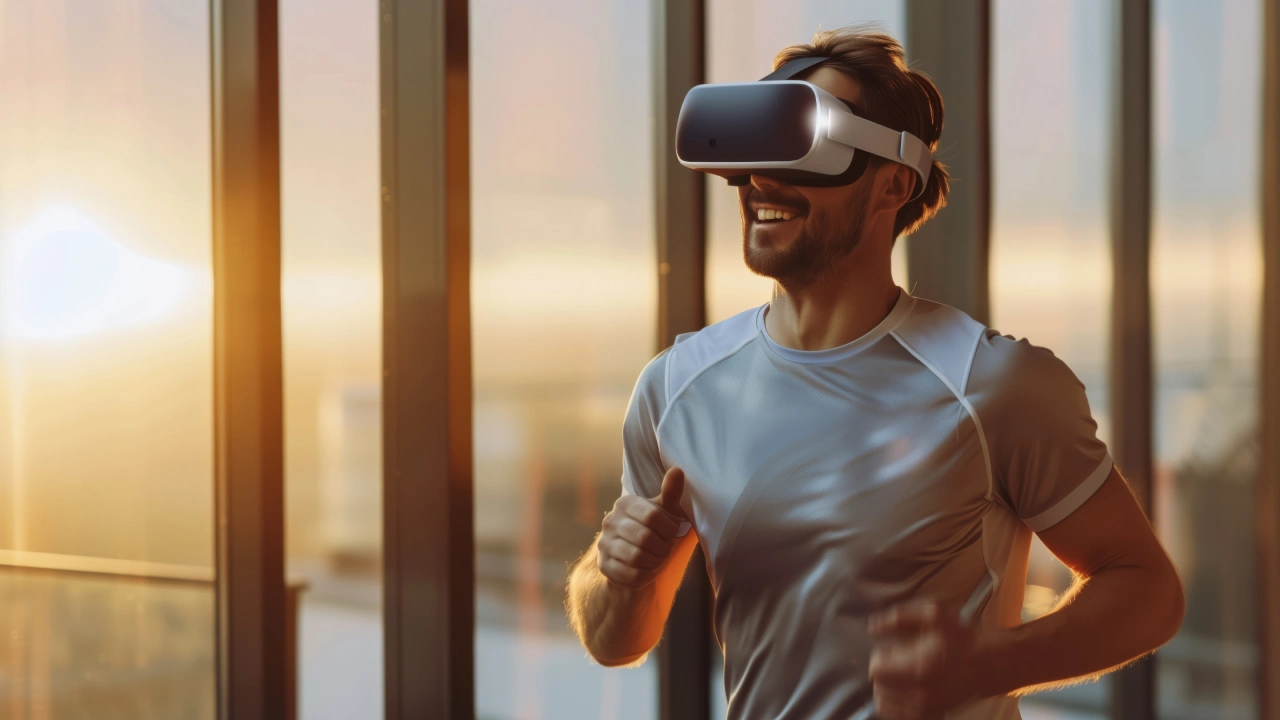
Transform Your Fitness Routine with Virtual Reality Workouts
As technology advances, fitness enthusiasts are exploring new ways to stay engaged and active. One of the most exciting developments is Virtual Reality (VR) fitness, which combines innovative technology with physical activity to create immersive workout experiences. Whether you’re looking for cardio, strength training, or mindfulness exercises, VR fitness can bring a new level of enjoyment to your workouts.
Highlights
- Engaging Workouts: VR fitness transforms traditional exercises into entertaining experiences, encouraging consistent participation.
- Mental and Physical Benefits: It not only improves endurance and coordination but also reduces stress and boosts motivation through game-like elements.
- Motion Comfort: Gradually introduce yourself to VR workouts and take breaks to prevent dizziness and discomfort.
- Safety First: Set up clear play areas, perform warm-ups, stay hydrated, and be aware of your fitness limits to ensure a safe workout.
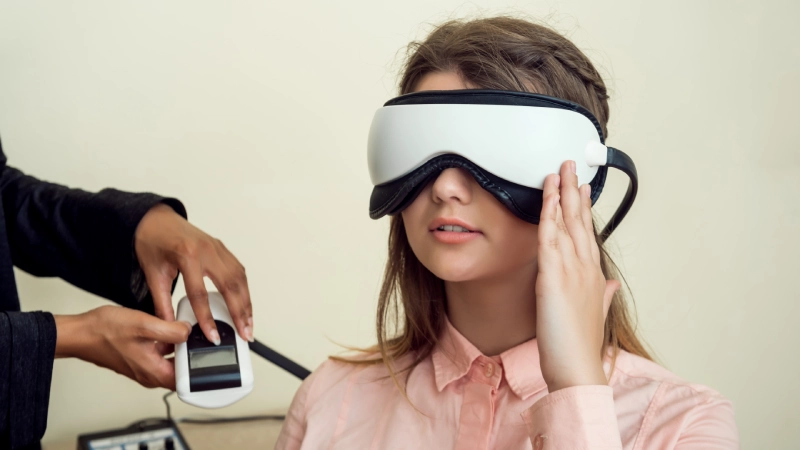
Image Source: Freepik
How VR Fitness Works
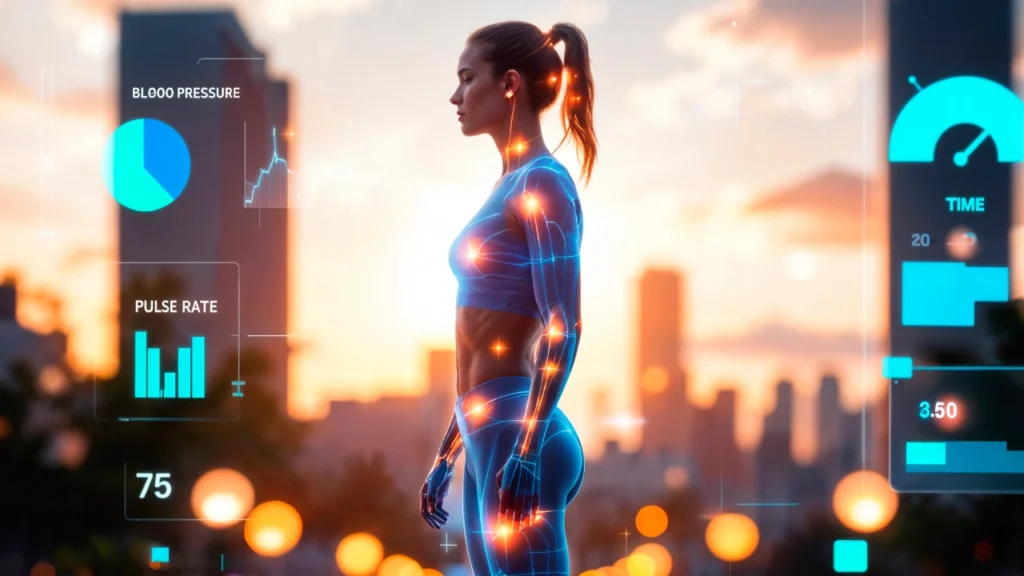
Thanks to head-mounted displays and motion tracking technology, VR fitness engages users in physical activity through interactive workouts. Participants may find themselves punching targets, dodging obstacles, or following rhythm-based routines while enjoying captivating virtual environments. Moreover, advanced platforms monitor performance metrics and offer personalized coaching based on individual fitness levels.
Unlike traditional home workout routines, VR fitness is designed to be engaging and immersive. By surrounding users with vibrant visuals and interactive challenges, it helps to alleviate feelings of boredom and fosters a more consistent exercise habit.
Physical Health Benefits of VR Workouts
Virtual reality workouts are particularly effective for those who may not typically enjoy traditional forms of exercise. Cardio-focused VR games can elevate your heart rate to levels comparable to brisk walking, cycling, or aerobics, ultimately enhancing cardiovascular health and boosting endurance.
Moreover, VR workouts actively engage multiple muscle groups through movements like squats, lunges, and twists, thereby improving overall mobility. For individuals who have limited access to gyms or outdoor spaces, VR fitness serves as a convenient solution that fits comfortably in smaller living areas.
Mental Health and Motivation Benefits
Beyond physical benefits, VR fitness offers significant mental perks as well. The immersive experience can make workouts feel less daunting, and gamification elements like scores and levels provide a sense of achievement that fuels motivation.
Additionally, physical activity—combined with engaging visuals and music—can enhance mood by releasing endorphins. For many users, VR offers a no-judgment zone for exercising, which can be especially beneficial for beginners or those concerned about body image.
This Image Is AI Generated. Image Source: Freepik
Popular Types of VR Fitness Experiences
The landscape of VR fitness encompasses a wide array of workout categories. For instance:
- Boxing and Martial Arts: High-intensity cardio and upper-body strength training.
- Dance and Rhythm Games: Focused on coordination and endurance.
- Yoga and Stretching: Guided sessions in calming virtual environments that promote flexibility and mindfulness.
- Meditation and Breathwork: Targeting mental well-being rather than physical exertion.
This extensive variety enables users to choose workouts that align with their fitness objectives and abilities, with many platforms offering shorter sessions to easily fit exercise into busy lives.
Motion Comfort and Cybersickness Considerations
Motion comfort is crucial when it comes to VR fitness, particularly for newcomers. Discomfort—often referred to as “cybersickness”—can arise when there’s a mismatch between visual movement and physical sensations, leading to dizziness or nausea. To mitigate these effects, it’s advisable to start with stationary or slower-paced experiences and gradually ease into more intense workouts.
Users should also ensure their VR headset fits correctly and take breaks as soon as any discomfort arises.
Physical Safety and Injury Prevention
While VR promotes physical activity, it’s essential to prioritize safety. Since VR limits visibility of the real world, users may inadvertently collide with furniture or walls. Establishing a clear play area and being mindful of your surroundings is key to preventing accidents.

Image Credit: Freepik
Injury prevention is equally important. Since VR workouts can be enjoyable, users might push themselves too hard. Proper warm-ups, awareness of form, and appropriate footwear can help minimize strains or falls.
Health Considerations for Different Users
VR fitness might not be ideal for everyone, especially those with balance issues, severe motion sensitivity, heart problems, or joint concerns. Consulting a healthcare professional before starting VR workouts is advisable. Supervision is also recommended for children, as prolonged headset use may affect developing vision.
Staying hydrated and ensuring good airflow is vital, as VR workouts can be intense and headsets may trap heat.
Best Practices for New VR Fitness Users
For newcomers, starting slow is essential. Opt for short sessions—around 10 to 20 minutes—to help your body adjust to both the physical activity and immersive technology. Choose beginner-friendly applications and set up safety boundaries before diving into your VR fitness journey.
Listening to your body is crucial. If you experience any pain, dizziness, or substantial fatigue, it’s wise to take a break. As you become more accustomed to VR fitness, gradually increase both the intensity and duration of your workouts.
Conclusion: A Balanced Approach to VR Fitness
Virtual reality fitness is revolutionizing how we approach physical activity by combining movement with immersive experiences, making workouts more enjoyable and accessible. Beyond physical benefits, it can significantly contribute to mental well-being and motivation, especially for those who struggle with conventional routines.
However, it’s vital that users remain mindful of motion comfort, physical safety, and their individual health needs. With proper understanding and precautions, VR fitness can be a transformative addition to anyone’s healthy lifestyle.
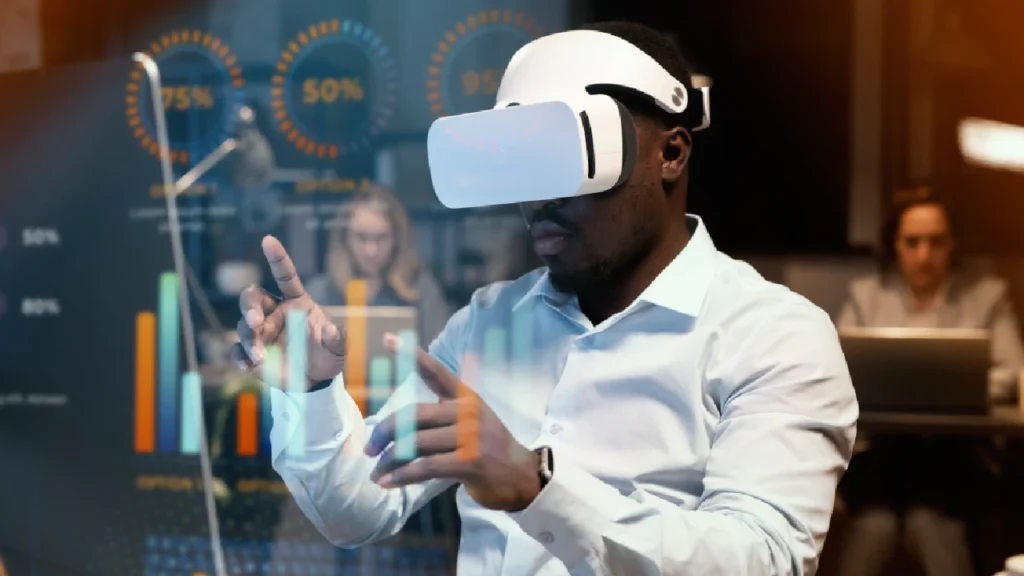
Image Credit: Freepik
With thoughtful integration, VR fitness can be a powerful and engaging tool for enhancing both physical and mental health.