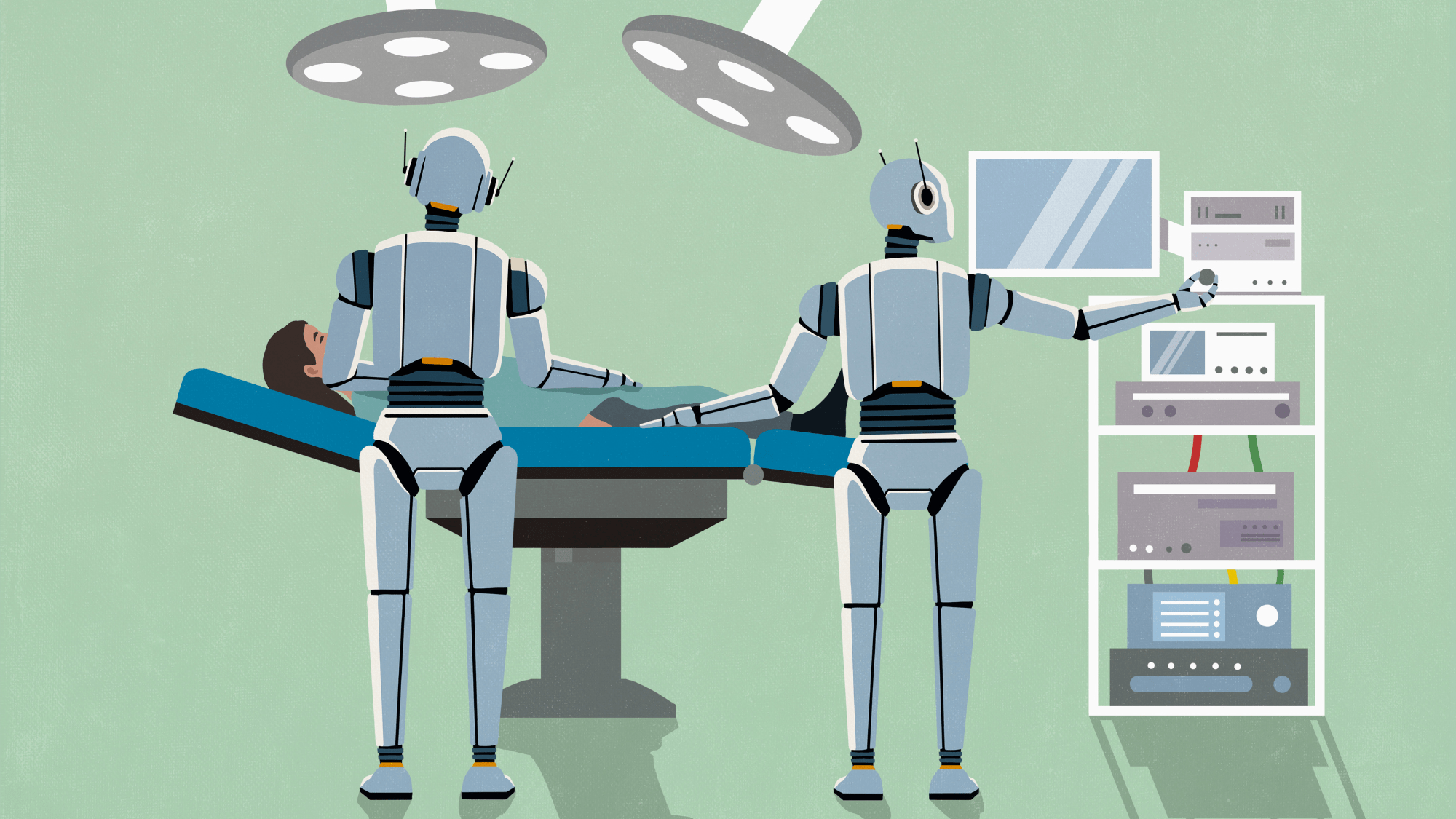
In recent years, the healthcare sector has seen increasing reliance on artificial intelligence to enhance surgical procedures. One such innovation, the AI-integrated TruDi Navigation System by Acclarent, a subsidiary of Johnson & Johnson, has made its way into operating rooms following FDA approval. This system aims to assist surgeons during complex operations, particularly those involving the brain, with promises of improved safety and precision. However, the outcomes since its implementation have raised serious concerns.
The track record of the TruDi system has been far from stellar.
An in-depth feature by Reuters outlines the mixed results of this tool, highlighting a number of successes alongside alarming incidents of surgical errors and misidentifications of anatomy.
The TruDi Navigation System, which recently adopted AI technology, was not originally designed with these capabilities. The addition of AI was intended to enhance its effectiveness. Before the AI upgrade, the FDA had logged seven malfunction reports and one injury associated with TruDi. Following the implementation of AI, however, reports skyrocketed to over 100, including 10 injuries by the end of 2025. Many of these incidents involved claims that the system provided inaccurate information to surgeons regarding the location of their instruments near critical areas such as the carotid artery and the base of the skull.
Two ongoing lawsuits in Texas involve patients who experienced strokes due to alleged damage to arteries during routine sinus surgeries. One individual needed part of her skull removed to alleviate brain swelling. The lawsuits assert that integrating AI diminished the device’s reliability, while the companies counter that the FDA reports do not establish any culpability.
What is particularly worrisome is that the TruDi Navigation System is just one example within a rapidly expanding arena of AI surgical devices. The FDA has granted authorization to over 1,300 AI-enabled medical devices to date. A recent review by Johns Hopkins University, Georgetown, and Yale highlighted that 60 of these AI-authorized devices had been subject to a total of 182 recalls, with nearly half occurring within a year of receiving approval.
The investigation further revealed that there are ongoing concerns about other AI medical systems, including prenatal ultrasound software that has reportedly misidentified fetal anatomy and heart monitors that failed to detect abnormal rhythms. Manufacturers often maintain that there is no evidence linking the AI systems to the issues reported or that patients suffered direct harm from the malfunctioning hardware.
The rising tide of AI technology is reshaping every sector, often introducing more challenges than advantages. Hospitals are finding it increasingly difficult to adapt, especially as regulators are asked to oversee innovations that advance faster than the existing guidelines aimed at ensuring safety and efficacy.