PIERRE, S.D. (Dakota News Now) – More than 40 million Americans rely on SNAP benefits, including 75,000 residents in South Dakota. This program aims to provide low-income and vulnerable individuals with access to affordable food and beverages, raising the question: should soft drinks be excluded?
The discussion has emerged as a significant divide between health advocates who want to make SNAP more nutritious and officials in the executive branch and private sector who view such changes as an infringement on consumer choice and an administrative burden.
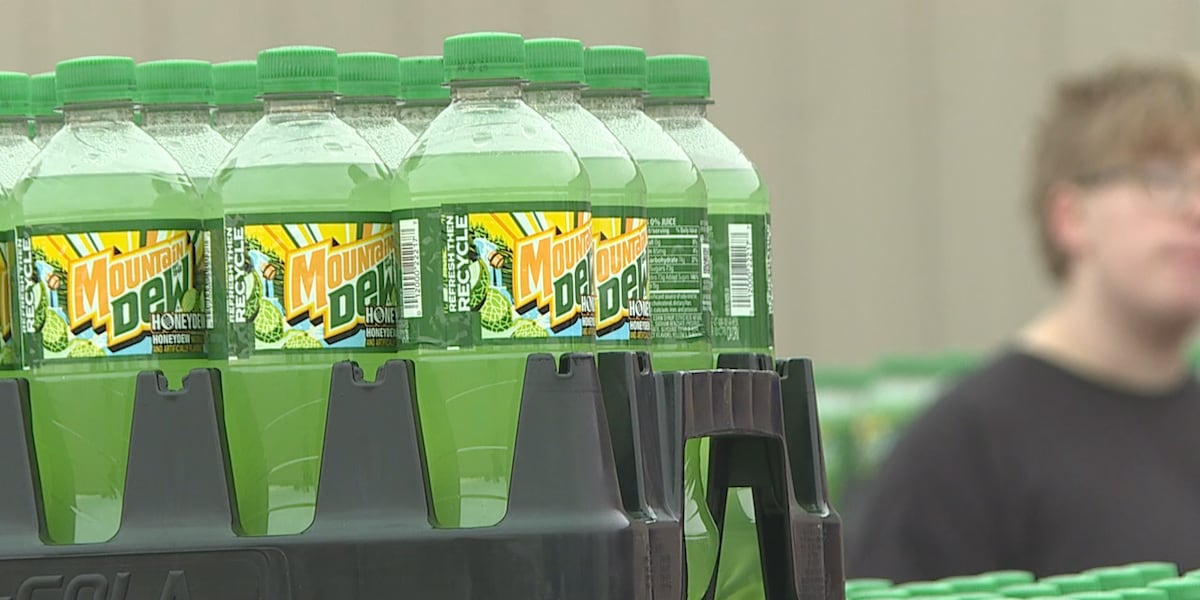
Sioux Falls representative Taylor Rehfeldt, who works as a nurse, described soft drinks in House Bill 1056 as “nonalcoholic beverages that contain natural or artificial sweeteners.”
“The bill aims not as a philosophical stance but as a directive to align the program with nutrition principles. Every nutrition program we oversee excludes sugary drinks because they offer no nutritional benefits and are linked to chronic health conditions,” Rehfeldt stated.
Health organizations voiced strong concerns during the House Health and Human Services committee meeting, emphasizing the health risks associated with sugary drinks.
“This proposed legislation is essential to tackle the excessive consumption of sugary beverages, which are linked to obesity, cardiovascular issues, type 2 diabetes, tooth decay, and an increased risk of obesity in children,” Justin Bell from the South Dakota Medical Association remarked.
Should Rehfeldt’s bill pass, the state would need to file a federal waiver to exclude these beverage options from being purchased with SNAP benefits.
Opponents, including the governor’s office, argue that a federal approach is more appropriate for a federally funded program. They expressed concerns about the costs and complexities of implementing such changes at the state level.
“Adding administrative burdens to our program could lead to higher error rates and inflated costs for South Dakota,” commented Laura Ringling, Senior Policy Advisor for the Governor’s Office.
Ringling pointed out that the state has already incurred over $5 million in additional expenses that were previously covered by the federal government, a figure that could rise if SNAP error rates worsen.
Concerns about erroneous costs were echoed by the private sector as well.
“Businesses need clarity on which items are excluded. It’s impractical to instruct retailers to deny soft drink sales within SNAP, as this could lead to confusion at the cash register,” said Nathan Sanderson, Executive Director of the South Dakota Retailers Association.
Rehfeldt emphasized that the definition of soft drinks is straightforward, referencing other federal programs like the Women, Infants, and Children (WIC) program.
“I’ve received feedback from committee members about lobbying efforts. The influence of the sugar industry is notable in DC, just as it is in South Dakota. If Congress chooses to pursue these changes, we can adapt accordingly,” Rehfeldt expressed.
Frustrated by the opposition from the governor’s office, Rehfeldt shared her attempts to find a resolution, while the governor’s office claimed to have pursued meetings that did not come to fruition.
Despite the challenges, the committee voted to pass the bill with an 11-2 majority, signaling strong support. However, one representative expressed concern over the restrictions this bill may impose, suggesting that juice should be allowed regardless of natural ingredients. Rehfeldt declined this suggestion.
Key Takeaways
- Over 40 million Americans utilize SNAP benefits, including a significant number in South Dakota.
- Health advocates support excluding soft drinks from SNAP due to their lack of nutritional value.
- Opponents argue that regulating beverage choices could complicate the SNAP program and increase costs.
- The bill could require the state to file for a federal waiver to exclude sugary beverages.
- Concerns exist about the potential for confusion among retailers regarding allowed purchases.
- The committee showed strong support for the bill, despite concerns about potential restrictions.
FAQ
What is SNAP?
SNAP, or the Supplemental Nutrition Assistance Program, provides low-income individuals and families with access to food assistance.
Why are soft drinks being debated in relation to SNAP?
There is ongoing debate about whether to exclude sugary beverages from SNAP due to their association with health issues and lack of nutritional value.
What might happen if the bill passes?
If passed, the state would request a federal waiver to restrict the purchase of soft drinks with SNAP benefits.
What are the concerns from the opposition?
Opponents raise issues about added administrative complexity, potential increased costs, and confusion for retailers regarding what can and cannot be sold under SNAP.
Copyright 2026 Dakota News Now. All rights reserved.