
When constructing a house, why would you start with a lampshade instead of laying a solid foundation? This analogy highlights a common mistake in fitness: many individuals chase trendy exercise schemes and expensive supplements (the metaphorical lampshade), while overlooking essential habits like consuming nutritious foods, enhancing sleep quality, and incorporating movement into daily life. While fancy extras may be appealing, these foundational practices are what truly support your health journey.
As a fitness coach and journalist, I believe that most people could significantly improve how they look, feel, and function simply by moving more throughout the day. Walking is one of the easiest and most accessible forms of exercise. In this article, you’ll find practical strategies, supported by experts, to help you walk your way to better health.
Set a Step Goal
Action Step: Gradually increase your daily step count, aiming for at least 8,000 steps per day.
The human body thrives on consistency. Just as weightlifters develop larger muscles through regular training, you can enhance your fitness levels by engaging in more physical activity. You don’t need to take drastic measures; any increase in your daily steps is beneficial.
Check your average daily steps using a health app on your phone and aim to boost this figure by 10-20% over the next month. If you’re currently averaging 5,000 steps, try to reach 5,500 to 6,000 steps. Once this feels manageable, continue progressing from your new daily average. Walking expert Dr. Elroy Aguiar from the University of Florida suggests a target of at least 8,000 steps daily for improved longevity and reduced risk of health issues.

Reduce Sitting Time
Action Step: Substitute some sitting time with standing activities, like taking phone calls while walking.
Many people spend over nine hours sitting each day, which recent research links to heightened risks of chronic diseases, even in active individuals. Dr. Daniel Bailey emphasizes that prolonged sitting can hinder metabolic processes essential for maintaining healthy blood sugar and cholesterol levels.
Combat this by alternating sitting with standing tasks, using a standing desk, or breaking up long stretches of inactivity with light movements. Every 30-60 minutes, stand up, stretch, or take a quick walk to keep your blood circulating.

(Getty/iStock)
Increase Walking Duration
Action Step: Incorporate one or more walks of 15 minutes or more into your daily routine.
While it may seem that the total number of steps is most important, recent studies highlight the benefits of longer walking sessions. Those who walk for 10-15 minutes at a time may experience lower risks of cardiovascular issues compared to those who opt for shorter, frequent walks. Consider aiming for at least one extended walk daily to enhance your health further.

Walk After Meals
Action Step: Take a brisk walk immediately after meals to regulate blood pressure and blood sugar levels.
Walking after eating can help manage blood sugar levels more effectively than waiting an hour. Studies show that a brisk 30-minute walk post-meal can enhance digestion and overall metabolic health. This simple habit can contribute to long-term health benefits.

Head for The Hills
Action Step: Include bursts of intense activity, like climbing stairs or walking briskly uphill, in your routine.
Research highlights the benefits of “VILPA” – Vigorous Intermittent Lifestyle Physical Activity. Simple, short bursts of intense activity can dramatically reduce health risks. Aim for several quick sessions of increased intensity each day, such as speedy stair climbs or brisk uphill walking.

(Getty/iStock)
Increase Your Walking Pace
Action Step: Elevate your walking pace to enhance health benefits.
Research indicates that moderate to brisk walking offers more significant health benefits than leisurely strolls. Aiming for a step rate of 100 or more steps per minute is a good goal for most individuals. Enhancing your walking pace can improve cardiovascular fitness and overall well-being.
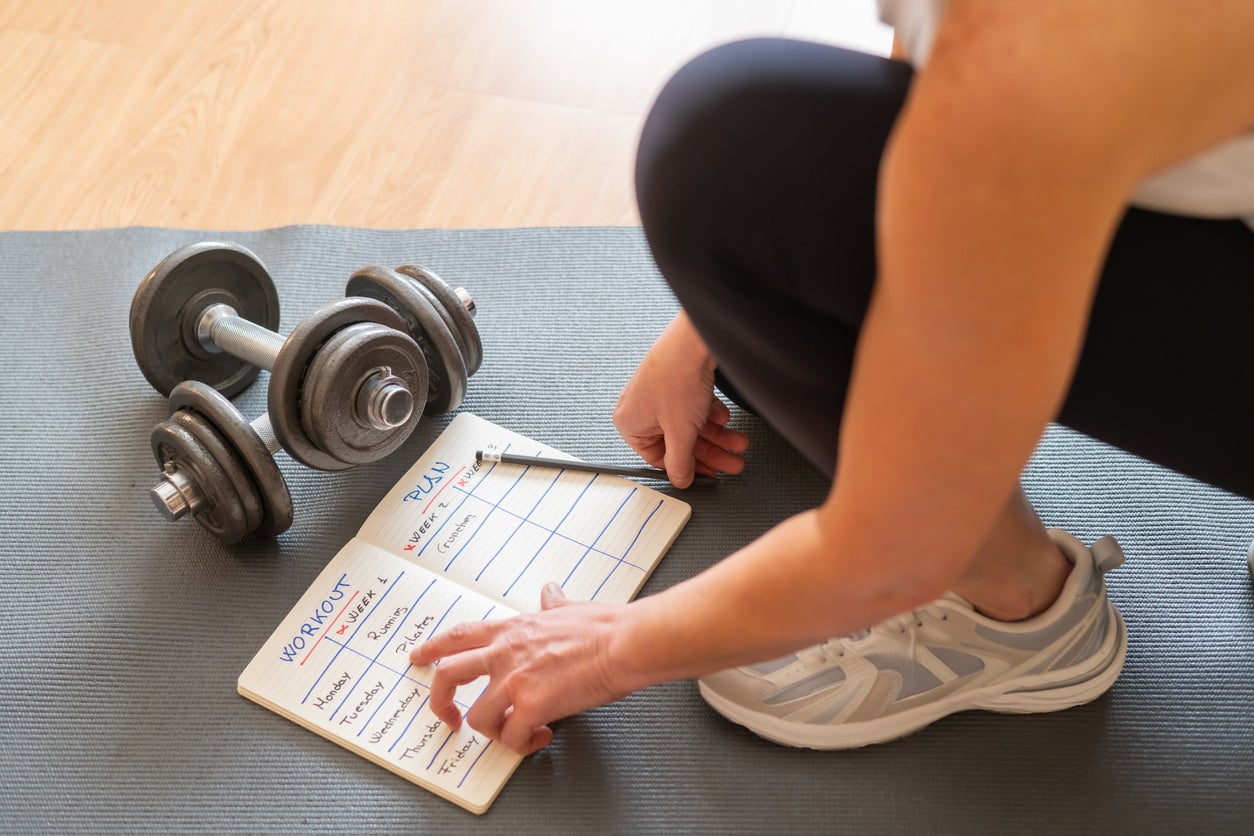
Can’t Find the Time?
If you’re struggling to fit walking into your busy schedule, you can follow this eight-week framework designed by David J Sautter, an NASM-certified personal trainer at WalkFit:
|
Weeks 1-2: Establish a Routine |
Aim for three short walks lasting 10-15 minutes at a comfortable pace. Focus on creating a habit rather than pushing for distance or speed. |
|
Weeks 3-4: Introduce Intervals |
Incorporate brief bursts of speed into 1-2 walks per week, alternating between one minute of brisk walking and two minutes at your regular pace. |
|
Weeks 5-6: Duration and Intensity |
Extend your walks to about 25 minutes, increasing intensity with gentle hills or varied terrain. |
|
Weeks 7-8: Peak and Personalize |
Combine longer walks (30 minutes or more) with interval sessions. Incorporate a five-minute warm-up at the start of each session and end with gentle stretches. |
Recognizing Limitations
While walking is highly accessible and effective for health benefits, incorporating strength training is essential for building a well-rounded fitness program. Those with higher fitness levels may need more intense workouts like running or cycling for improved cardiovascular health. Moreover, anyone with mobility issues can benefit from various forms of movement, such as seated exercises or adaptations tailored to individual needs.
In conclusion, prioritizing consistent movement throughout your day can greatly enhance your overall health. By focusing on simple daily actions like walking, you can set a solid foundation for a more active lifestyle. Don’t underestimate the impact small changes can make; your health journey begins with each step you take.