In Thailand, a meal is often paired with a sweetened iced coffee or tea, sometimes resembling a dessert more than a beverage. As the government aims to address the health concerns associated with excessive sugar intake, a new initiative is encouraging major coffee chains to reduce sugar levels in popular drinks.
New Sugar Reduction Initiative
Starting Wednesday, nine prominent coffee chains across the country have committed to halving the default sugar content in certain beverages as part of a government initiative designed to combat high sugar consumption.
The Health Department reports that Thais consume an average of 21 teaspoons of sugar daily, exceeding the World Health Organization’s recommended limit of six teaspoons by more than three times. Health officials caution that this excessive intake raises the risk of obesity, diabetes, and other illnesses.
Amporn Benjaponpitak, the department’s director general, emphasized that this initiative marks a significant effort to alter consumer behavior regarding sugar consumption.
Pakorn Tungkasereerak, the department’s deputy, noted that data from 2025 shows roughly 45% of Thais aged 15 and older are classified as obese, while 10% of the population has diabetes.
A survey conducted by the Bureau of Nutrition revealed that a 22-ounce (650-milliliter) iced coffee contains, on average, nine teaspoons of sugar. In comparison, a 10-ounce (300-milliliter) serving of bubble milk tea, known for its tapioca pearls, can have up to 12 teaspoons of sugar.
Consumer Reactions
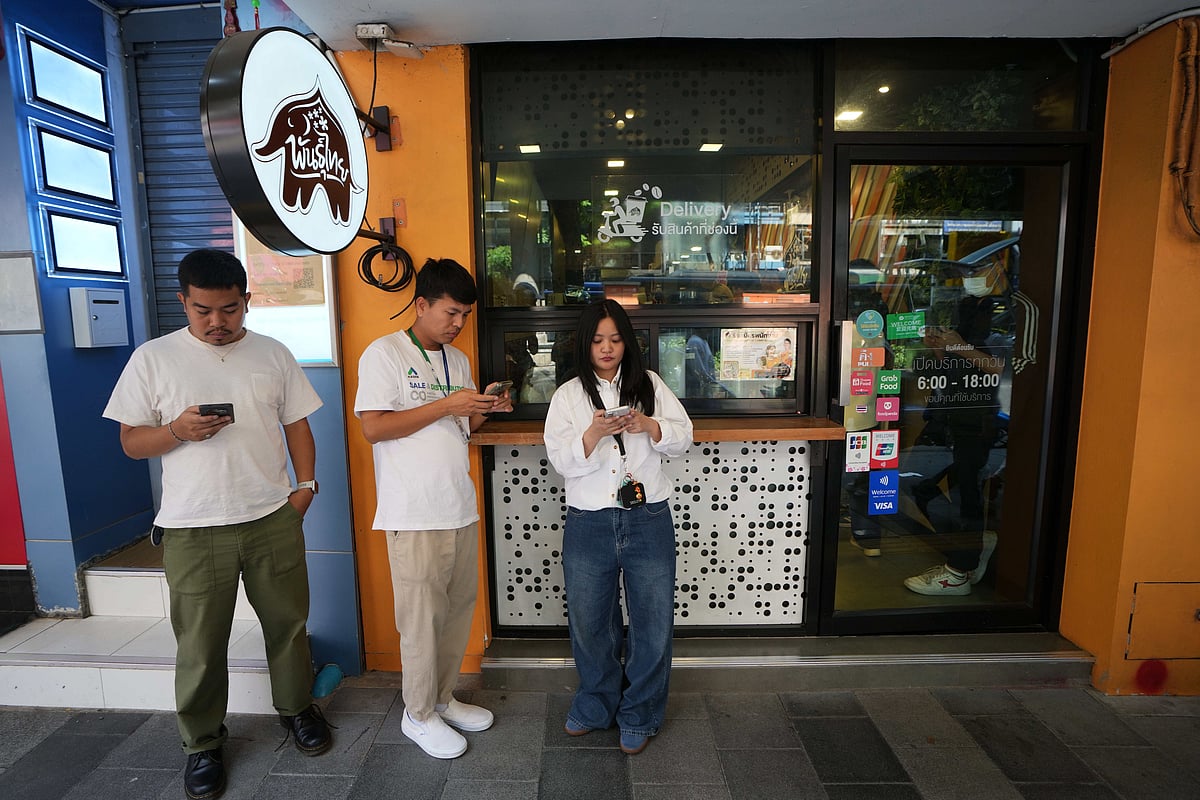
Many consumers welcome the changes. Office worker Sirinya Kuiklang expressed her approval, mentioning that she typically orders her drinks with only 25% of the standard sugar level and recognizes that others often consume more than necessary. “It’s good for Thai people,” she noted.
Similarly, Porwares Tantikanpanit, another office worker, stated he enjoys his non-coffee beverages at their current sweetness levels but is open to adjustments if shops decide to lower the sugar content.
Challenges Ahead
Despite its well-intentioned aims, the effective implementation of this policy may face hurdles. Officials noted that each brand is free to interpret the initiative in their own way.
Some customers have expressed confusion on social media following the announcement, questioning how to order drinks according to their preferred sweetness levels. Additionally, various brands indicated that the sugar reduction would apply to select items on their menus.
Key Takeaways
- Nine major coffee chains in Thailand will reduce the default sugar content in some drinks by 50%.
- The average Thai consumes 21 teaspoons of sugar daily, far above WHO’s recommended six teaspoons.
- Around 45% of Thais aged 15 and older are obese, and 10% have diabetes.
- A 22-ounce iced coffee averages nine teaspoons of sugar, while bubble milk tea can contain up to 12 teaspoons.
- Consumer reactions are mixed; some support reducing sugar, while others are confused about how to order.
FAQ
Why is sugar reduction necessary?
Excessive sugar intake is linked to health issues such as obesity and diabetes, leading the government to take steps to reduce consumption.
How are coffee chains implementing the sugar reduction?
Each chain can decide how to apply the sugar reduction, which may affect select beverages on their menus.
How much sugar is typically in iced coffee or bubble tea?
A typical 22-ounce iced coffee has about nine teaspoons of sugar, while a 10-ounce serving of bubble milk tea can contain around 12 teaspoons.
Conclusion
This initiative represents a proactive approach to fostering healthier beverage choices among consumers in Thailand. As coffee chains adapt to new standards, ongoing consumer feedback will be vital in shaping sugar consumption habits.