Russell McKinley compared orange-flavoured Fanta from both sides of the Atlantic and the American was shocked to learn how much the two differ in their ingredients

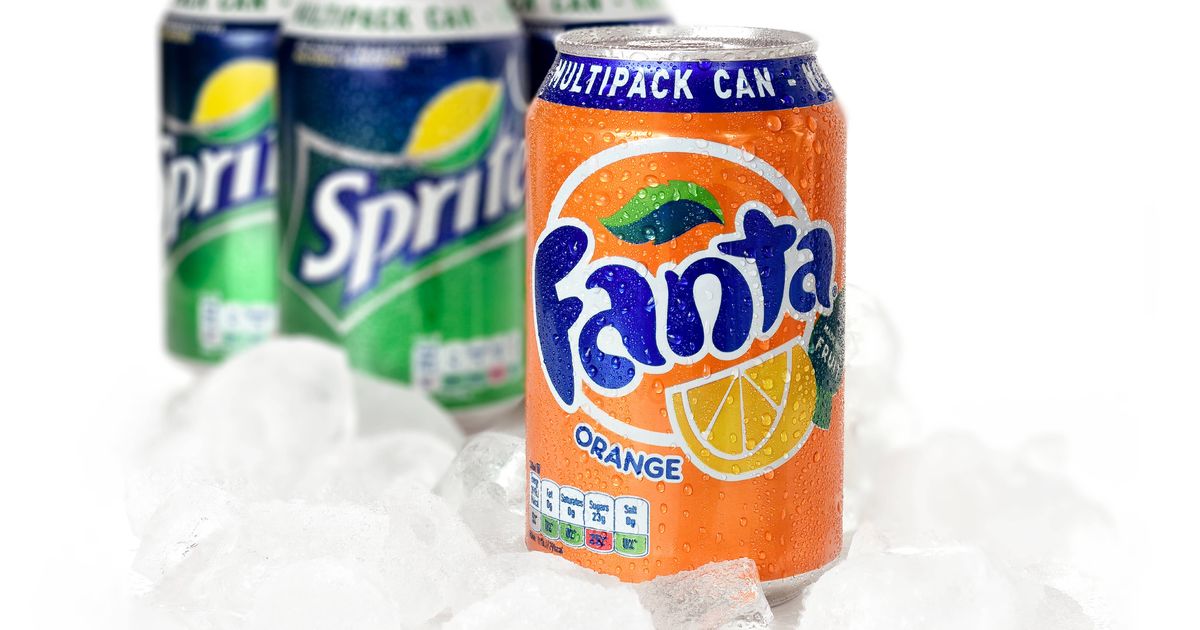
An American man has compared US and UK versions of orange Fanta (stock)(Image: Cogent-Marketing via Getty Images)
An American man has expressed his astonishment after conducting a side-by-side comparison of orange-flavoured Fanta sold in the US and UK. Russell McKinley, who hails from Chicago but has since relocated to Britain, shared his findings in an Instagram post.
In his video, he showcased 500ml bottles from both countries, with a noticeable difference in color. “I bought the UK bottle for £1.40 and the US one was $3 [£2.22],” he explained. Russell proceeded to examine the ingredients lists, highlighting that the British Fanta contains 22g of sugar, whereas its American counterpart contains an astonishing 73g.
The disparity in nutritional content extends beyond sugar, as Russell noted that UK bottles contain 96 calories—significantly lower than the American Fanta, which has a total of 270 calories.
“I can’t believe that,” he confessed. “This is actually starting to scare me.”
Russell conceded that while the American beverage may “look cooler,” taste is what ultimately matters.
After opening the UK version and taking a sniff, he remarked: “Well, it smells like orange juice.”
However, upon his first taste, Russell admitted: “That doesn’t taste like Fanta at all to me. It’s good… I like it, and it tastes natural. This actually has juice in it, which is mind-blowing.”
Turning his attention to the American version, he pondered: “Why am I scared to try a soda I grew up with my whole life? I do appreciate that the cap comes off all the way though—I miss that!”
After taking a sip, he was taken aback by the drink’s sweetness. “Oh my God, they don’t taste anything alike,” he exclaimed, encouraging his friend to sample both drinks as well.
After sniffing the UK Fanta, his friend likened its aroma to “orange-flavoured cleaning spray,” commenting on its evident “over-sweetened” nature.
Russell concluded: “Being British is fun—and probably a lot safer.”
In response, one Instagram user questioned: “Why don’t Americans demand better standards of food and drink?”
Another user remarked: “No wonder you have lost weight since being in the UK.”
A third user declared: “This is why the obesity epidemic is so massive in the US. Don’t get me wrong, there are larger people everywhere, but what is the justification for this amount of sugar in a bottle of pop?!”
The soft drinks industry levy (SDIL), commonly referred to as the ‘sugar tax’, is a levy applied to UK-produced or imported soft drinks with added sugar. It was introduced in the March 2016 budget and took effect in April 2018.
According to the Institute for Government, the levy is paid to HMRC by the packager for drinks produced in the UK, or the importer for drinks manufactured overseas, at the following levels:
- No levy on soft drinks containing less than 5g of sugar per 100ml
- 18p per litre on soft drinks containing between 5g and 8g of sugar per 100ml
- 24p per litre on soft drinks containing more than 8g of sugar per 100ml.
Key Takeaways
- Differences between US and UK orange Fanta highlighted by Russell McKinley.
- The UK version contains 22g of sugar compared to 73g in the US version.
- Caloric content varies significantly: 96 calories for UK Fanta versus 270 calories for the US variant.
- McKinley found the UK orange Fanta to taste more natural, stating it contains actual juice.
- The introduction of a sugar tax in the UK aims to regulate added sugar in soft drinks.
FAQ
What inspired Russell McKinley to compare the two versions of Fanta?
He was surprised by the differences in taste and ingredients after moving from the US to the UK.
How do the nutritional values of UK and US Fanta compare?
The UK Fanta has significantly lower sugar and calorie content than the US version.
What is the ‘sugar tax’ in the UK?
The sugar tax is a levy applied to sugary drinks aimed at reducing sugar consumption and encouraging healthier choices.
Did McKinley find a major difference in taste between the two drinks?
Yes, he described the UK version as tasting more natural and containing real juice, unlike the sweeter American version.
What were the reactions of viewers to McKinley’s findings?
Many expressed surprise at the differences and questioned the high sugar content in American beverages.