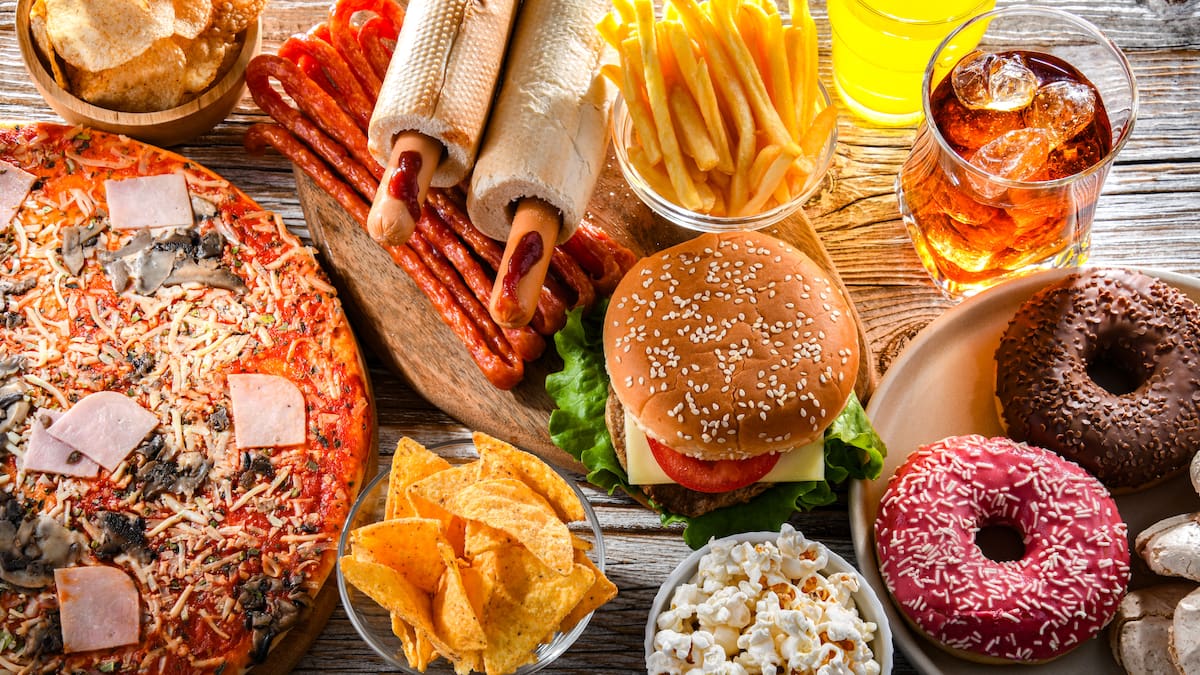
In today’s fast-paced world, food processing is a common practice, providing us with affordable options. However, the term “ultra-processed food” often sparks debate about its implications for health. Understanding this classification can help us make more informed choices in our diets.
Understanding Ultra-Processed Food
The phrase “ultra-processed food” originates from the NOVA classification system, which categorizes foods based on their processing levels and intended use. According to food expert Berry, this term has gained significant traction, yet it’s crucial to understand its context.
“The ‘ultra-processed food’ label pertains specifically to this classification system. It was never meant to assess how processing might influence our health,” she explains. In countries like the UK, US, Australia, and New Zealand, it is estimated that around 60% of food falls under the ultra-processed category. However, being classified as such does not inherently imply that these foods are unhealthy.
The Spectrum of Ultra-Processed Food
Berry emphasizes the vast diversity within ultra-processed foods. “This category is immense; some items are particularly harmful, while others may not pose significant risks.” Instead of eliminating all ultra-processed foods, she suggests a more discerning shopping approach.
“We need to step back and analyze what specific aspects of food processing are detrimental. This understanding will help us identify which foods to avoid and which to embrace,” Berry advises. One major concern is how certain foods are engineered to override our natural hunger cues.
Food Engineering and Eating Habits
“These engineered foods are often loaded with combinations of salt, sugar, or fat that are not typically found together in nature,” she notes. This manipulation can disrupt our body’s natural signals that indicate satiety.
Berry also points out how the texture of processed foods affects consumption speed. Softer textures may encourage quicker eating, leading to potential overeating. In contrast, denser foods can promote slower, more mindful eating. To combat this, she suggests, “put your crunch back into your lunch.”
Finding Balance in Our Diets
When it comes to achieving a balanced diet, Berry believes it’s okay to indulge in processed treats occasionally. “If you enjoy heavily processed snacks like crisps or chocolate, that’s perfectly fine. Just ensure that the bulk of your diet is composed of minimally processed, whole foods, rich in fiber. A little indulgence won’t hurt.”
“Sometimes, what’s deemed ‘bad’ for you can actually be enjoyable in moderation,” she concludes.
Listen for More Insights
For a deeper dive into food processing and its implications, listen to the full episode of The Little Things:
- What “hyper-palatable” truly means.
- Why research on ultra-processed foods is more nuanced than it appears.
- Examining seed oils, misinformation, and the facts.
The Little Things is accessible on iHeartRadio, Apple Podcasts, Spotify, or wherever you enjoy your podcasts. Hosted by broadcaster Francesca Rudkin and health researcher Louise Ayrey, new episodes are released every Saturday.


