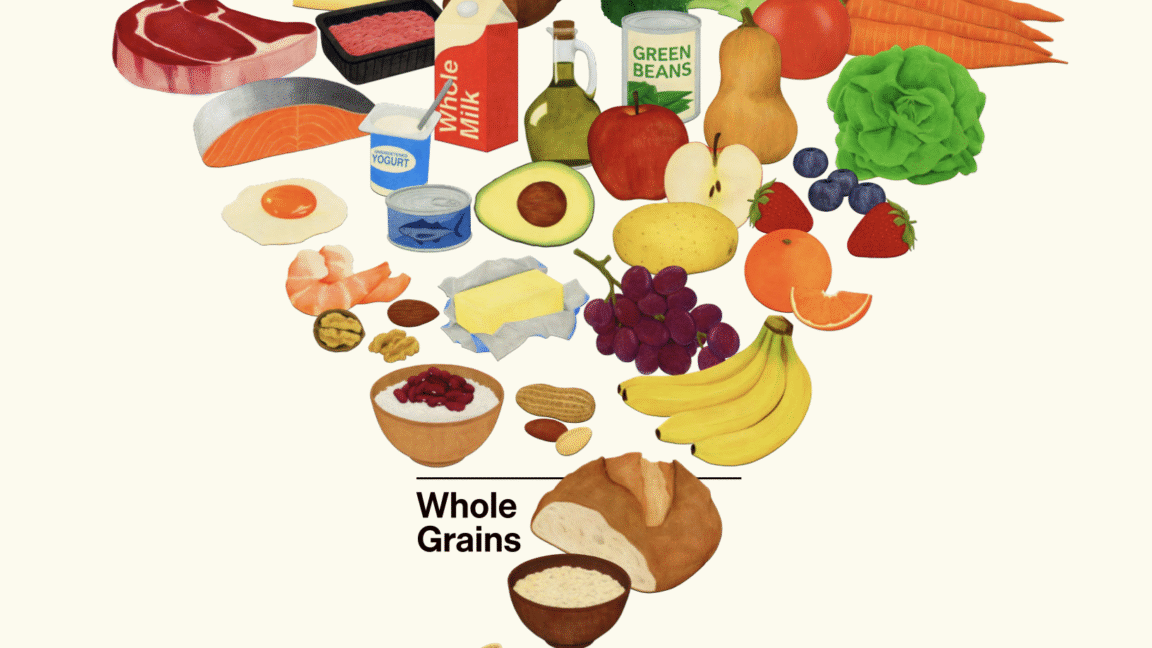
In today’s world, navigating dietary advice can be challenging, especially when new guidelines emerge. Recent discussions surrounding nutrition have brought attention to protein, saturated fats, and fiber intake. While some recommendations advocate for increased consumption of full-fat dairy, it’s essential to examine how these suggestions align with established health guidelines and the available evidence.
The focus on full-fat dairy products, including butter, resonates with Kennedy’s perspective. However, the official guidance still advises that Americans should keep their saturated fat intake—predominantly found in full-fat dairy—below 10 percent of total calories. For an average 2,000-calorie diet, this translates to a limit of under 22 grams per day. When questioned on whether the proposed menu complies with this guideline, Grok indicated that it does not. In fact, with the current options available, the saturated fat intake could potentially exceed 50 grams, more than double the recommended limit.
What about protein intake? The recommendations for protein consumption are also frequently surpassed. Various factors such as weight, age, activity level, and needs during pregnancy influence daily protein requirements. Generally, it is recommended to consume 0.8 grams of protein per kilogram of body weight, or about 0.36 grams per pound. Most Americans already tend to meet this guideline. However, Kennedy’s advice raises the recommendation to 1.2 to 1.6 grams per kilogram (approximately 0.54 to 0.72 grams per pound).
For an individual weighing 150 pounds, the previous and updated daily protein recommendations would be 54 grams and between 81 and 108 grams, respectively. The USDA provides a calculator here that still reflects the older protein guidelines. Grok’s interpretation of Kennedy’s recommendations generated a meal plan featuring protein levels that could reach as high as 180 grams per day.
While the meal plan exceeded the recommended limits for saturated fat and protein, it fell short in providing adequate fiber—a necessary nutrient that many Americans lack. On average, most individuals consume less than half of the recommended fiber intake, which is primarily found in fruits, vegetables, whole grains, and legumes. The new guidelines retain the recommendations for daily fiber intake at 25 grams for women and 38 grams for men. Grok’s pragmatic estimate for fiber in this meal plan varied between 25 and 35 grams, insufficient for men.
In summary, Grok concluded that “based on extensive fact-checks and expert consensus, RFK Jr. is not a reliable source on health matters. His claims often lack evidence, promote mistrust in institutions, and can lead to negative health outcomes.”
So, what options are available for Americans seeking reliable nutrition advice? Grok suggests that “Many experts still prefer alternatives like Harvard’s Healthy Eating Plate, which emphasizes a greater focus on plant-based foods and recommends limiting red meat and dairy products based on extensive epidemiological research.”


