Ageless Fitness: Five Essential Exercises for Longevity
Aging doesn’t have to mean losing strength or independence. Fitness coach Vanja Moves, known for her expertise in functional training, advocates that specific exercises can enhance longevity while keeping you agile and strong. She highlights five powerful movements that you can incorporate into your daily routine—no expensive supplements needed.
1. Dead Hangs
What They Are: Dead hangs involve simply hanging from a bar or similar structure.
Benefits: According to Vanja, this exercise decompresses the spine, builds shoulder strength, and improves grip strength. Grip strength is often overlooked but is closely linked to longevity, with studies showing a reduction in mortality risk associated with improved grip strength.
How to Start: Beginners should use a chair to assist with their weight, aiming for hangs of 5-10 seconds. Intermediates can gradually work up to longer hangs of 20-40 seconds, aiming for five minutes daily. Advanced practitioners might aim to achieve 10 minutes daily, incorporating variations like mixed grips.
Tip: Remember that progress can be gradual. Vanja shares a success story of a 61-year-old who moved from a two-second hang to an unassisted 30-second hang in just a few weeks.
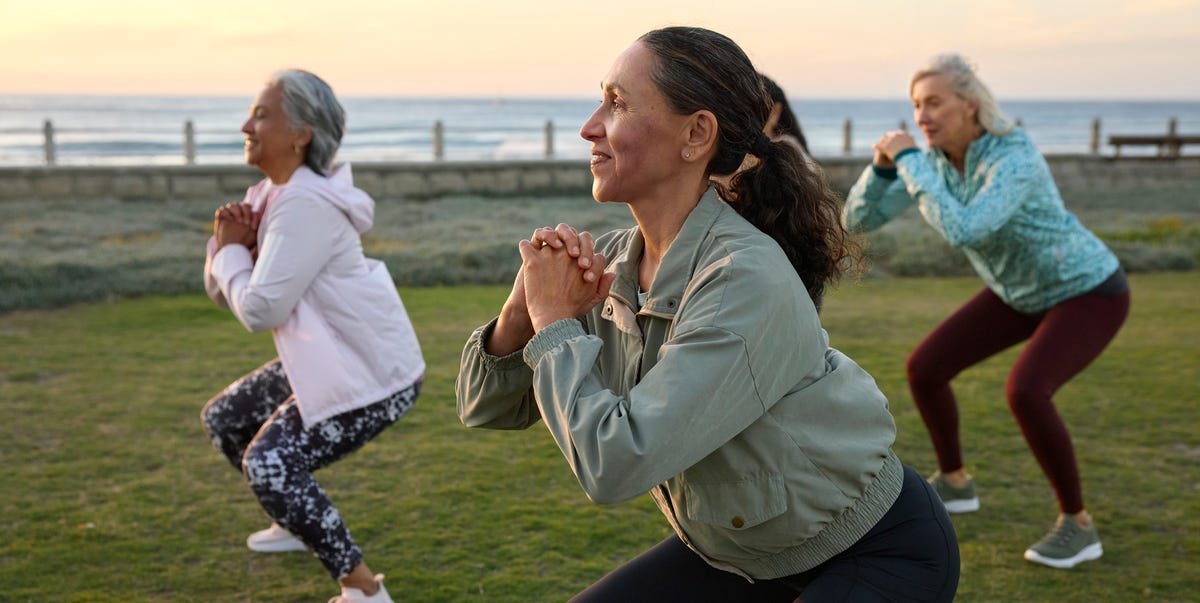
2. Deep Squats
What They Are: Deep squats mimic the natural resting position of humans.
Benefits: Maintaining deep squat mobility is essential for healthy hips, spine, and overall mobility. Failing to do so can compromise independence.
How to Start: Beginners should use furniture for support while keeping their heels elevated on books, aiming for two to five minutes daily. Those more comfortable can try unassisted squats, working towards 15-20 minutes in this position. Advanced athletes can explore different stances, aiming for more than 30 minutes throughout the day.
Tip: This movement trains the core ability of getting up and down, and research connects it to lower mortality rates in midlife adults.
3. Sit to Stand
What They Are: This exercise involves transitioning from sitting to standing without using hands.
Benefits: Mastering this movement is critical for maintaining independence as we age.
How to Start: Beginners can practice sitting and rising from a chair without hand support and aim to lower the height of the chair as they improve.
Tip: Improving mobility in this way can significantly reduce your risk of early death, as it indicates better functional strength.
4. Hip Mobility
What It Is: Enhancing hip mobility involves exercises targeting hip rotation and flexibility.
Benefits: Good hip mobility is crucial for balance to prevent falls, which are a significant risk associated with aging.
How to Start: Begin with gentle exercises like 90/90 hip rotations. As you progress, gradually increase the difficulty and try side Cossack squats and pigeon poses for advanced practitioners.
Tip: Advanced individuals should focus on full locomotion patterns, including crawling and flowing movements to increase overall hip mobility.
5. Isometric Exercises and Core Stability
What They Are: Isometric exercises involve holding a position without movement, such as planks or wall sits.
Benefits: These exercises enhance stability and strength, which are vital for preventing falls.
How to Start: Beginners can start with wall sits or modified planks, while more experienced individuals may attempt longer holds or incorporate weights.
Tip: Stability training is essential for survival and should be practiced consistently to foster resilience against falls.
Conclusion
Incorporating these five exercises into your daily routine can significantly enhance your strength, balance, and overall well-being as you age. Remember, the key is consistency and gradual improvement. Each small step you take can lead to a healthier, more independent life. So why wait? Start adding these movements to your regimen today, and take control of your fitness journey!