People are Living longer than ever before. In the 1940s, the average life expectancy for men was around 54, whereas it has now risen to about 76 years. Still, reaching the age of 100 is a remarkable achievement that few attain. So, what’s the secret to living a century?
Nutrition plays a significant role in longevity. For years, researchers have emphasized the advantages of a plant-based diet. However, recent debates have emerged, particularly following the FDA’s endorsement of red meat in the new Dietary Guidelines for Americans. A recent study in The American Journal of Clinical Nutrition attempts to provide clarity, eliciting responses from dietitians to share their insights.
What Diet Is Best for Longevity?
Researchers examined older adults in China—which ranks third in terms of centenarian population—who took part in the Chinese Longitudinal Healthy Longevity Survey in 1998. Among the 5,203 participants aged 80 and above, they reported their dietary habits and were categorized as either omnivores or vegetarians. Further classifications for vegetarians included pesco-vegetarians, ovo-lacto-vegetarians, and vegans. Follow-ups continued until 2018, allowing researchers to analyze how many reached the age of 100.
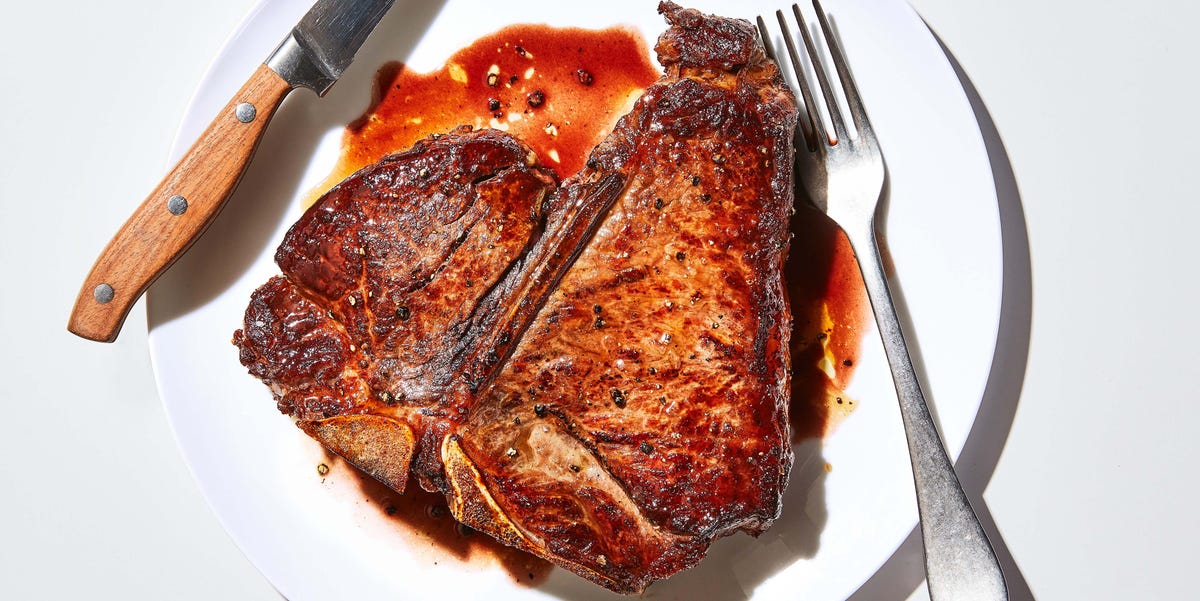
In total, 1,459 individuals reached centenarian status. The majority of these long-lived individuals identified as omnivores, while vegetarians and vegans were notably less likely to achieve this milestone. Researchers attributed this trend to the absence of animal-derived products in their diets. Interestingly, pesco-vegetarians (those who eat fish and seafood) and ovo-lacto-vegetarians (who consume dairy and eggs) were more successful at reaching 100 than pure vegans.
Why You Can’t Ignore Body Weight as a Factor
At first glance, these findings might suggest that a vegetarian diet hinders longevity, conflicting with numerous studies suggesting the health benefits of plant-based diets. However, there’s a significant caveat to ponder.
The data revealed that vegetarians who were underweight (with a BMI below 18.5 kg/m²) were less likely to reach 100. In contrast, those who maintained a healthy weight (18.5 – 24.9 kg/m²) did not showcase a similar trend.
Being underweight in older adulthood can significantly impact health, leading to increased risks of frailty, falls, and even early mortality. It’s likely that body weight played a more crucial role than the dietary choices in this association. Dr. David Cutler, a family physician at Providence Saint John’s Health Center, emphasizes, “The takeaway is to avoid malnourishment.”
Redefining the Role of Protein in Longevity
While the study offers useful insights, it raises the question: Does consuming animal proteins contribute to reaching 100 years old? The answer is complex, and dietitians suggest that incorporating some meat into one’s diet is advisable, especially as one ages.
Those who consume meat tend to intake more essential nutrients such as protein, vitamins B6 and B12, zinc, and omega-3 fats, according to registered dietitian Sonya Angelone, PhD, RDN. Moreover, meat is generally more calorically dense than plant foods, aiding older adults in maintaining their weight.
As we age, our ability to digest and absorb nutrients diminishes. Therefore, it’s crucial for older adults to consume nutrient-rich foods, such as proteins from fish and chicken, to ensure they are receiving adequate nutrients.
For individuals already in a protein or calorie deficit, limiting dietary choices by excluding animal proteins could be counterproductive, according to Scott Keatley, RD, co-owner of Keatley Medical Nutrition Therapy. Nonetheless, he acknowledges the benefits of plant-based diets and encouraging more greens in our meals, reiterating that individual nutritional needs may vary.
What Experts Recommend Eating for Living Longer
When considering a longevity diet, Keatley suggests rethinking common narratives. “Diets that promote longevity generally include a wealth of plant-based foods, while also accommodating nutrient-rich animal products as necessary, particularly in older age,” he recommends.
Regardless of dietary preferences, it’s important to create a meal plan that contains adequate protein, fiber, and healthy fats in every meal. “If you’re underweight or over the age of 70, feel free to include eggs, fish, dairy, or lean meats as needed,” says Keatley. It is also advisable to minimize overly processed foods.
Above all, Cutler recommends maintaining a diverse, nutrient-rich diet. “You can be well-nourished whether you consume meat or not.”
Korin Miller is a freelance writer specializing in overall wellness, sexual health, relationships, and lifestyle trends. Her work has appeared in Men’s Health, Women’s Health, Self, Glamour, and more. She holds a master’s degree from American University, lives by the beach, and hopes to one day have a teacup pig and a taco truck.


