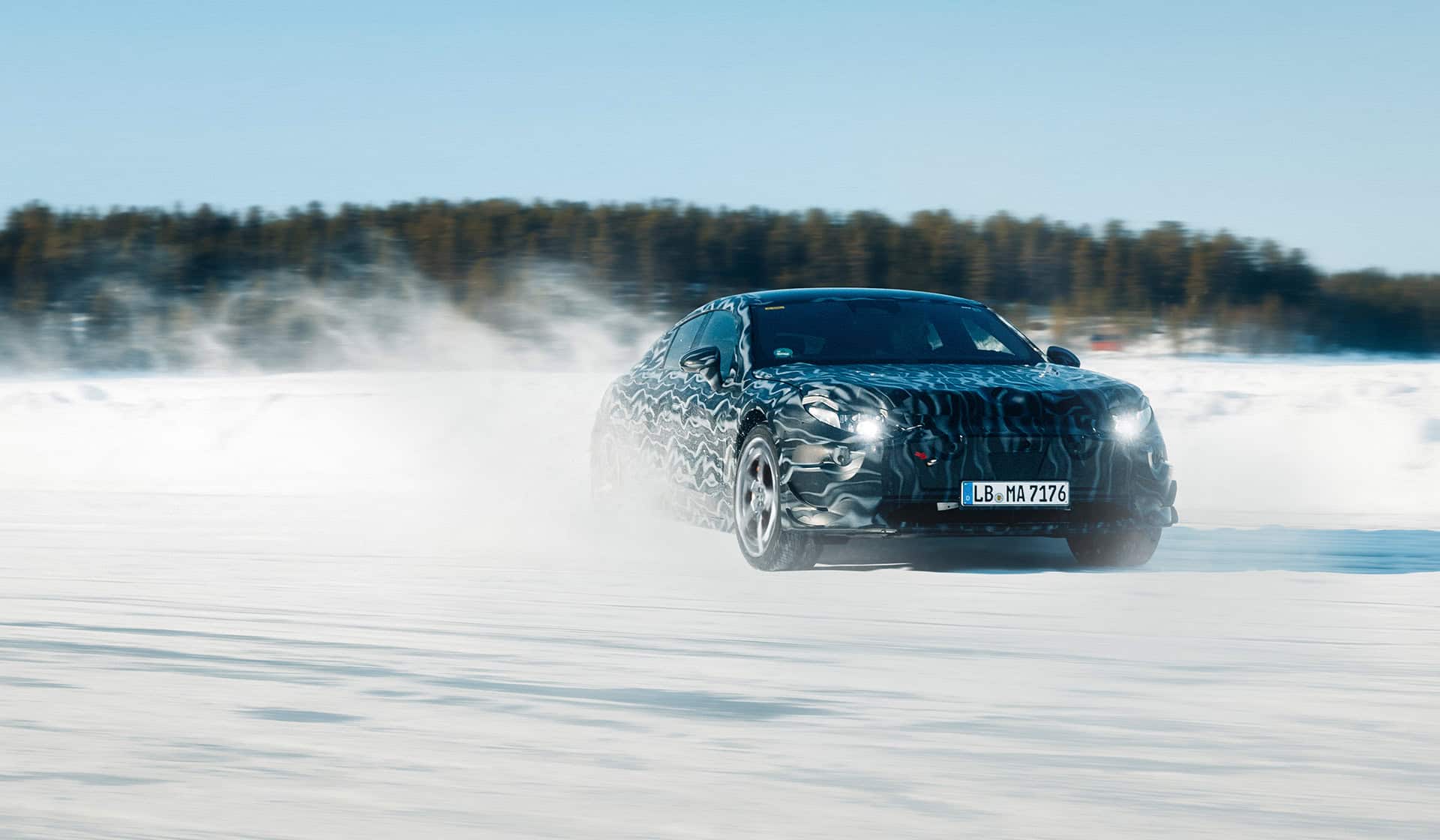
While enthusiasm for high-end electric vehicles (EVs) may appear to be waning, major automotive brands are not backing down. With development timelines often stretching over five years, 2025 promises to unveil a host of innovative next-generation EVs that could reignite excitement in the market.
This year, we have our eyes on a revitalized Jaguar sporting a luxurious design, a Mercedes-AMG equipped with cutting-edge axial-flux motors, an exciting new range of high-end Porsches and Audis, and the highly anticipated vehicle that could be Volkswagen’s saving grace amidst its struggles.
Indeed, 2025 is shaping up to be an exhilarating year for new model launches—and these are just the electric offerings.
Jaguar Type 00
The future of Jaguar hangs in the balance as the company embarks on an extraordinary rebirth. In a bold move, the British automaker has ceased production of its existing models, leaving behind the saloon and SUV lines that have supported it for nearly 80 years.
What will replace these models? A spectacular, dramatic, and extravagant four-door grand tourer. This vehicle marks the first of three new models aimed not at mainstream brands like BMW, but rather at luxury rivals such as Bentley, Maybach, and Rolls-Royce.
Though it exists only as a concept for now, reports suggest it is close to production, with the primary modification being the addition of four conventional doors. Its assertive front design, expansive hood, pronounced rear arches, and striking details set it apart from anything else on the road.
While the electric powertrain is expected to deliver impressive performance, Jaguar seems more focused on the design and the image it projects than mere specifications. Will it succeed? Cadillac faced a similar identity crisis but revived its image with the Celestiq, a luxury EV that shifted focus from raw numbers to design elegance. The result was a strong demand, leaving the car with an extensive waiting list.
We’ll see if Jaguar can replicate this success.
Images: Jaguar Type 00 Official Concept
Mercedes-AMG EA.AMG
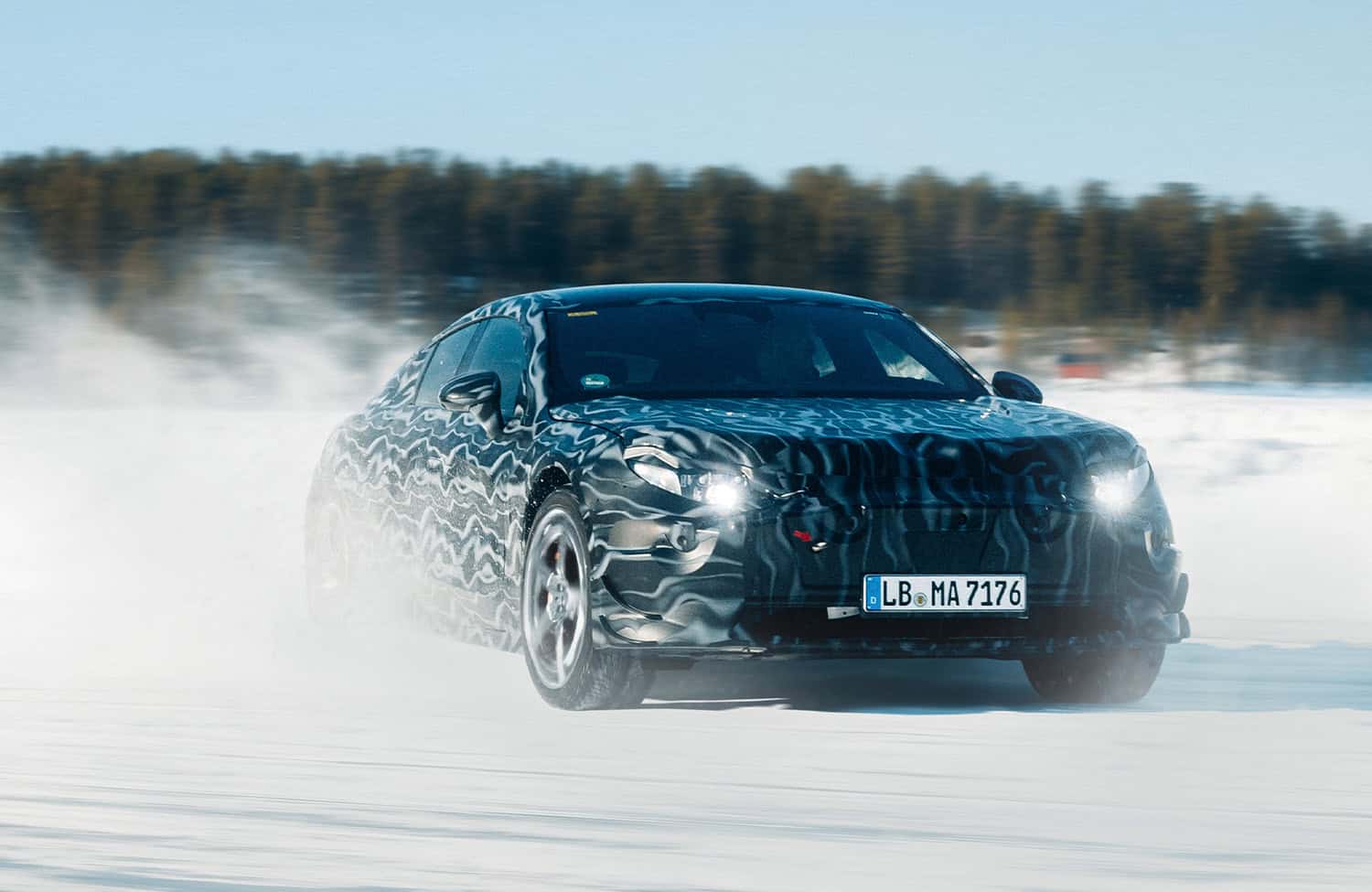

Mercedes has faced challenges with its premium EVs, delivering impressive acceleration yet lacking in suitability. However, a groundbreaking AMG model set to launch in 2025 aims to change that perception.
This unnamed, stylish four-door saloon represents a unique project for the AMG team, promising innovative technology, including next-generation axial-flux motors, rapid charging capabilities, and a highly dynamic chassis.
Spy shots reveal a sleek, aggressive profile that seems to target competitors like the Porsche Taycan and Audi E-Tron GT, while focusing heavily on superior driving dynamics. We anticipate features such as rear-wheel steering, active suspension systems, and torque vectoring will enable the AMG model to perform impressively, unlike its more pedestrian EQS cousins.
A fresh interpretation of AMG’s design language will not only redefine the vehicle’s aesthetics but also showcase the brand’s future direction. With Mercedes’ initial foray into EVs revealing technological gaps, this offering is crucial for reclaiming its AMG identity.
For those not enamored with the saloon, a new SUV based on the same architecture is expected to follow shortly.
Images: Mercedes-AMG EA.AMG Spy Shots
Porsche 718 ‘Boxster’


In 1996, Porsche introduced the Boxster, a model designed to revitalize the brand after years of stagnant sales. It succeeded in opening up a new market segment with its smaller two-seat convertible offering. Now, the new Boxster seeks to replicate that success.
However, Porsche has since established itself as a major player in both sales and technology, bolstered by the success of the 911 and a comprehensive lineup of SUVs. The new Boxster, featuring an electric powertrain, represents a bold shift as the brand navigates the current slow sentiment towards EVs, but it would be unwise to overlook Porsche’s capabilities.
In its recent development, the company has recognized that not all vehicles should share a single platform. Therefore, unlike the Taycan and new Macan, the new Boxster will utilize a unique platform that positions its battery vertically behind the front seats. This design choice not only promotes better weight distribution, resembling the existing mid-engine configuration, but also preserves the Boxster’s iconic silhouette.
Images: Porsche Vision 357 Speedster Concept Car
Audi RS6 Avant E-Tron
Continuing the trend of iconic models being reimagined as electric vehicles, Audi is preparing to unveil its next RS6, promising even higher levels of performance and bespoke features than before.
The upcoming RS6 E-Tron will showcase an aggressive design with broader arches, unique body pressings, and striking wheels complemented by tailored bumpers.
While specific details about the powertrain remain scarce, it is anticipated that a dual-motor setup will generate up to 700 horsepower, supported by a 100 kWh battery that could deliver an impressive range. The upcoming S6 E-Tron Avant is expected to achieve around 400 miles on a single charge, placing it ahead of competitors from BMW and Mercedes.
The best part? The new RS6 will maintain its tradition of combining exhilarating performance, supercar aesthetics, and ample interior space for everyday use, ensuring it remains the ultimate practical vehicle that can be comfortably parked alongside more exotic options without much hassle.
Images: Audi S6 Avant e-tron
Volkswagen ID.2all
While the ID.2all may not be as glamorous as the new Jaguar or as specialized as other upcoming models, it carries the weight of Volkswagen’s entire reputation as it aims to counter a backdrop of declining sales and tightening budgets.
Fortunately, the ID.2all boasts a promising design, reminiscent of the impact made by the MK1 Golf in Europe and the MK4 later on. This vehicle could potentially mark a turning point for VW.
The ID.2all strives to achieve this through efficient production methods, competitive entry pricing, and a straightforward front-motor configuration that should satisfy both the brand’s accountants and its customers, especially with the potential for future GTI variants.
Embodying VW’s commitment to solid design, the ID.2all and its ID.GTI counterpart signal a more confident direction for the company—one that is both sleek and desirable, even if it veers towards the clinical.
It’s clear Volkswagen faces a significant challenge, but early signs suggest that the ID.2 initiative might be paving the way for a brighter future.
Images: Volkswagen ID.2all Official Concept