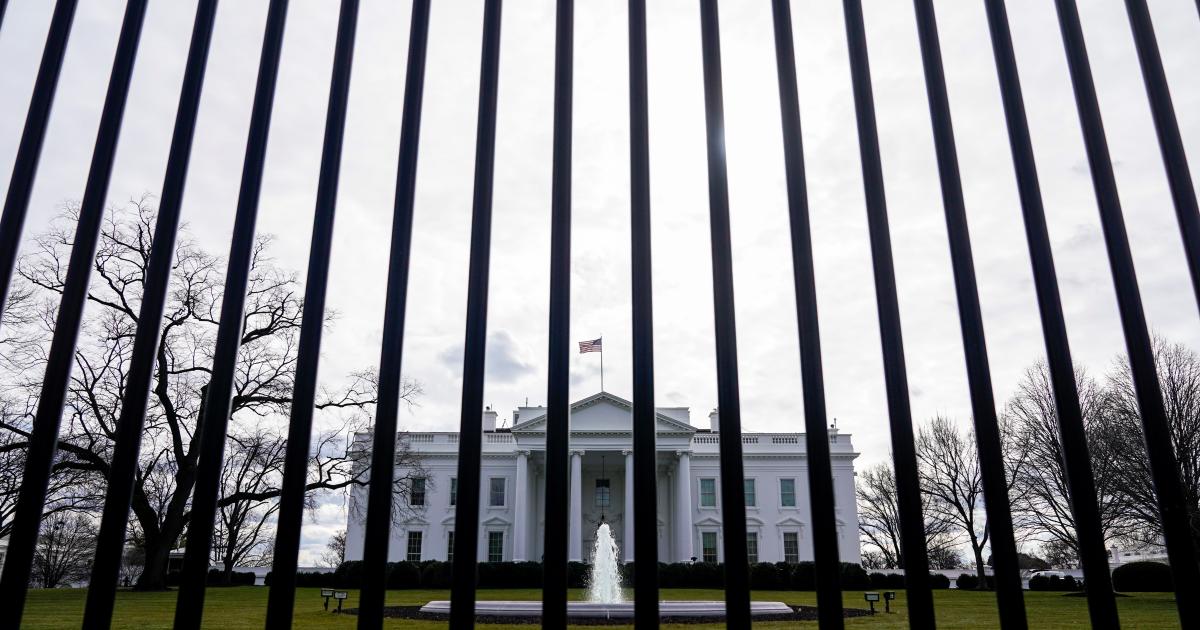
In the complex realm of international relations, the actions of the United States, especially under the Trump administration, have sparked significant debate and concern. The underlying motivations behind military interventions and diplomatic maneuvers raise questions about America’s standing on the global stage and its approach to perceived threats.
RAIDER ON THE WORLD STAGE
Following the U.S. special forces’ raid in Caracas that resulted in the apprehension of Venezuelan dictator Nicolás Maduro in early January, Stephen Miller, the White House deputy chief of staff, bluntly justified the administration’s actions. He stated, “You can talk all you want about international niceties, but we live in a world… that is governed by strength, that is governed by force, that is governed by power.” Miller’s remarks suggest a portrayal of the U.S. as a robust nation, actively addressing threats in a chaotic global environment.
This mindset seems to mark President Donald Trump’s wider foreign policy approach, which resorts to intimidation or military force at the president’s discretion, often disregarding traditional norms and alliances. For instance, after learning about protesters being killed in Iran, Trump hinted at military action. His obsession with acquiring Danish territory in Greenland prompted threats of tariffs that targeted NATO allies. On the surface, Trump’s administration appeared to embody a confident hegemon, utilizing its power to deter and intimidate.
However, the military strategies undertaken raise critical questions: Why these specific locations, and why at this moment? The U.S. strike on Iranian nuclear sites in June seemed predictable, considering Iran’s advancements towards a nuclear arsenal and Trump’s long-held animosity towards Tehran. Yet, the administration’s inconsistent rationale regarding actions in Venezuela and Greenland has left many around the world perplexed. Instead of focusing on powerful adversaries, Trump’s coercive strategies have been aimed at weaker states and allies, reflecting a root cause centered on anxiety about eroding status and diminishing American power.
JUMPING THE GUN
During his first term, Trump emphasized strategic competition with China and security interests in the Indo-Pacific rather than engaging in interventions perceived as baseless. Nevertheless, this focus conflicts with the administration’s more recent military initiatives. Some analysts attempt to reconcile these actions within the broader context of U.S. rivalry with global powers like China and Russia. This assertion is undermined by the National Defense Strategy’s characterization of U.S. competition with China as limited and confined to the Indo-Pacific, not as a new global Cold War, while downplaying the significance of Russian threats.
Furthermore, the choice of targeted nations raises further doubts. Venezuela, although reliant on China economically, would not severely impact China if its ties were severed, particularly as Trump did not insist on excluding China from Venezuela’s oil sector. Additionally, after the U.S. strikes in Iran, Trump explicitly stated that China could continue purchasing Iranian oil. The push for Greenland seemed devoid of tangible military or economic advantages for the U.S., even jeopardizing NATO’s unity. Arctic security specialists contend that a more pressing threat to U.S. national security lies within the Bering Strait, with Russian naval forces operating near U.S. territories, rather than the relatively tranquil waters surrounding Greenland. Interestingly, Russia has commended the U.S. for its Greenland endeavors.
Trump has been remarkably consistent in his public worries about U.S. prestige.
Despite a fluctuating narrative about threats from China and Russia, Trump’s long-standing concern about U.S. prestige traces back decades. In 1987, he publicly criticized America for being exploited on the global stage, claiming, “The world is laughing at America’s politicians…” Fast forward to 2023, and he criticized the Biden administration for what he perceived as “begging” Venezuela for oil, despite peaks in U.S. domestic oil production. In later speeches, Trump depicted the U.S. as a “failing nation,” echoing sentiments of diminishing respect and influence globally.
While some may dismiss these statements as political grandstanding, Trump’s consistent focus on U.S. prestige adds weight to his concerns. The shift from a collaborative postwar foreign policy process to a model where actions are driven by presidential decisions reflects a significant transformation in policymaking.
As political scientist Jeffrey Taliaferro noted, great powers fearing decline often engage in risky interventions motivated by concerns over status rather than tangible benefits. Historical examples include U.S. intervention in Korea post-1949 and Britain’s attempts to hold onto its influence in Egypt and Iran during the 1950s, often leading to disproportionate risks. Trump’s explicit motivation for seeking Greenland included its “psychological importance for success,” a sentiment echoed historically across nations facing similar predicaments.
WHICH WAY IS UP?
Trump’s apprehensions about America’s global standing resonate with a wider American populace, particularly among youth. A November 2025 YouGov survey revealed that 54 percent believed the U.S. is losing its global influence, with 75 percent emphasizing the importance of American power. However, attitudes vary significantly across age groups, with roughly 80 percent of respondents aged 45 and older expressing the importance of U.S. influence compared to 70 percent of Millennials and Gen Z.
Debating whether America is genuinely in decline leads to further complexities. While the gap between American power and its global counterparts has narrowed, the U.S. still retains a formidable absolute power. The U.S. economy is nearly equivalent to those of the next four largest economies combined, boasting a population growth rate that exceeds that of China and Russia. The U.S. also leads in investments in emerging technologies, despite robust competition. However, the U.S. military’s dominance appears to be waning, exemplified by a decrease in active naval and air force personnel compared to China, compounded by an aging nuclear arsenal.
Despite certain highlight-reel successes, the U.S. military is not as dominant as it used to be.
Recent data reveals that while the U.S. defense budget has increased, the actual growth remains stagnant over the past two decades. Senior defense officials and various war games suggest that the U.S. may struggle in potential conflicts, particularly with China. The projected rise in China’s operational nuclear warheads highlights an urgent national security challenge. Signs such as rising national debt and shifting defense allocations indicate imbalances in U.S. fiscal health, threatening military preparedness.
An erosion in “power conversion” remains a pressing issue, as dwindling manufacturing capabilities compromise both military efficiency and national security. Recent critiques suggest that Trump’s second term has exacerbated these existing challenges, including a dismissal of experienced expertise within national security circles while centralizing decision-making around a smaller group. Streamlining efforts, while beneficial for reducing bureaucracy, threatens collaboration and the exchange of ideas that have historically preserved American power.
Despite facing serious issues, there exists a possibility to rectify the decline in American military strength. A proposed defense budget increase to $1.5 trillion in 2027 reflects a positive measure, but it must align with a robust strategy and effective bureaucratic systems. Meaningful cooperation with allies will be crucial as America navigates multifaceted global challenges; unilateral actions risk exacerbating economic strains and escalating relative declines.
AFRAID OF YOUR OWN SHADOW
The tendency of policymakers to dwell on fears of decline may create a self-fulfilling prophecy. The initial phase of Trump’s second term highlights this peril, as effective leadership would focus on leveraging allies to maintain security in lower-priority regions rather than confronting them directly over resource control. A strong alliance approach, rather than unilateral coercion, has proven most beneficial in expanding American influence globally.
Kori Schake emphasizes in Foreign Affairs that successful U.S. power accumulation post-World War II stemmed from a commitment to building a cooperative international order. The expenses of such cooperation are overt, while the benefits—like the supremacy of the U.S. dollar and military innovation—often remain concealed. Nonetheless, these benefits are vital for maintaining U.S. power, as international partnerships help stanch any decline in American influence. The judicious exercise of power, focused on fostering alliances rather than exerting unilateral dominance, embodies the essence of effective leadership and is key to maintaining superpower status.
Key Takeaways
- U.S. military strategies often reflect anxieties about global standing rather than coherent strategic objectives.
- Interventions focus on weaker nations, raising questions about the rationale behind U.S. foreign policy actions.
- Public fears about American decline resonate across various age groups, impacting national sentiment on foreign policy.
- The gap between American power and that of other states is narrowing, challenging the U.S. to adapt strategically.
- The decline in manufacturing and expertise threatens America’s military readiness and power conversion capabilities.
- Building strong alliances and cooperation is essential for sustained U.S. influence and security.
FAQ
What are the key concerns driving U.S. foreign policy under the Trump administration?
The administration’s foreign policy is marked by an emphasis on perceived threats from weaker nations, reflecting a fear of declining American prestige and influence globally.
How has military strategy shifted in recent years?
Military strategy has increasingly focused on aggressive interventions rather than strategic competition, often prioritizing short-term objectives over long-term diplomatic engagement.
Why are younger Americans more pessimistic about U.S. power?
Younger generations express more concern over America’s global influence compared to older individuals, reflecting a shift in perceptions towards national strength and security.