Understanding the Wearable Fitness Trackers Market
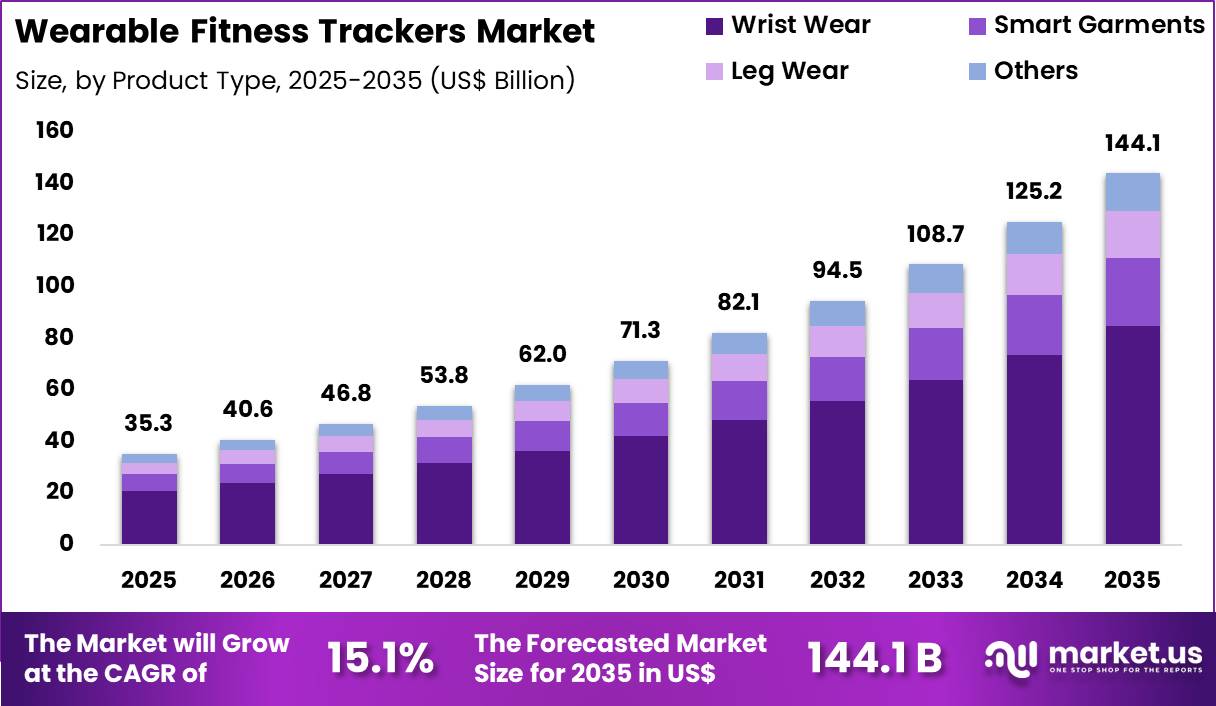
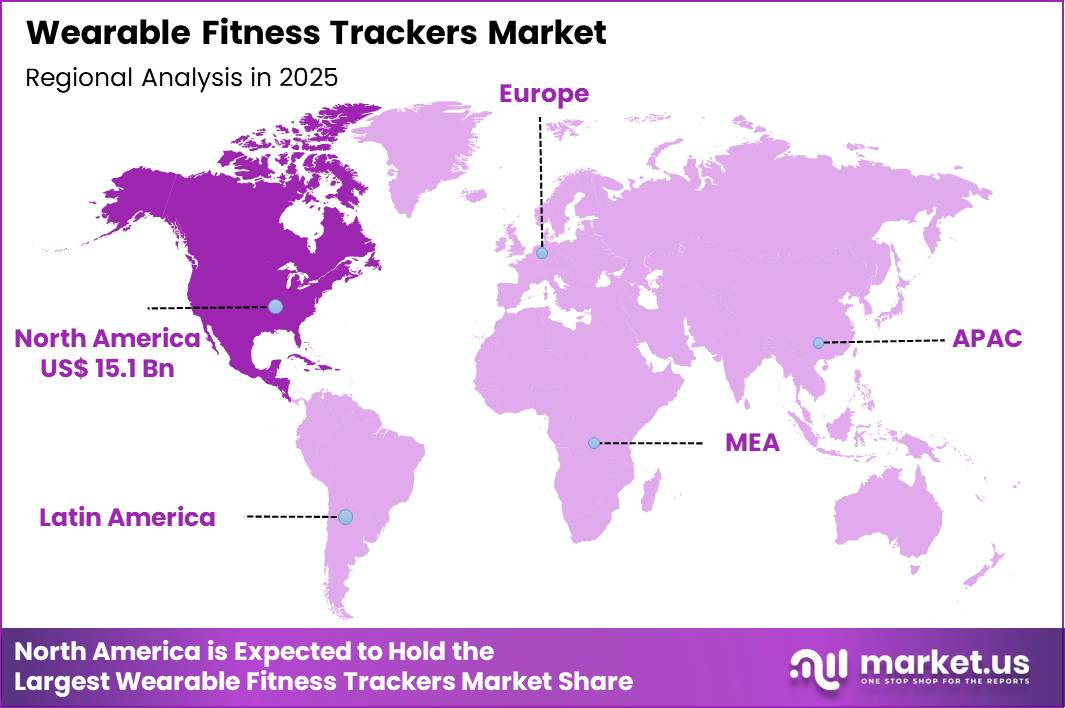
As fitness consciousness expands globally, the wearable fitness tracker market is on the rise. Expected to grow from US$ 35.3 Billion in 2025 to an impressive US$ 144.1 Billion by 2035, this market is set to experience a striking CAGR of 15.1% over the next decade. North America currently leads the pack, contributing over 42.7% to the market with a substantial revenue of US$ 15.1 Billion in 2024.
Consumers are increasingly prioritizing proactive health management, prompting a surge in demand for wearable fitness trackers. These devices offer a convenient way to monitor daily activities and physiological metrics. Fitness enthusiasts utilize them to keep track of steps, distance, and calories burned during various activities such as running and cycling, setting realistic goals, and measuring progress through integrated apps.
Beyond simple activity tracking, these devices monitor heart rates during high-intensity workouts, providing instant feedback to help users find their optimal effort zones. Features like sleep tracking allow individuals to assess rest quality and recovery patterns, facilitating adjustments in training routines to prevent overtraining, particularly during endurance training like marathon prep.
Additionally, wearable fitness trackers are becoming vital tools for stress management. By detecting changes in heart rate variability, these devices guide users through relaxation techniques, thereby contributing to overall well-being. In corporate wellness initiatives, employees leverage these gadgets to record their activity levels, often earning rewards for meeting movement goals.
Manufacturers are actively enhancing their devices with advanced sensors and artificial intelligence, which can predict fatigue and identify overtraining risks, especially in professional sports. Coaches can monitor athletes’ recovery and performance from afar using these innovations. The market is also expanding to include multi-sport modes with GPS accuracy and waterproof designs, catering to diverse athletes, including triathletes.
Opportunities are arising in family-oriented trackers that promote group challenges and parental supervision of children’s activity. Companies are investing in longer battery life and lighter materials, enhancing comfort for users who track overnight recovery as well.
Recent trends are veering toward holistic wellness features like guided meditation and menstrual cycle tracking, ensuring wearable fitness trackers serve a wide array of needs across demographic groups.
Key Insights
- In 2025, the market is projected to generate US$ 35.3 Billion in revenue, with an anticipated growth reaching US$ 144.1 Billion by 2035.
- The wrist wear segment dominates the market with a share of 58.9%.
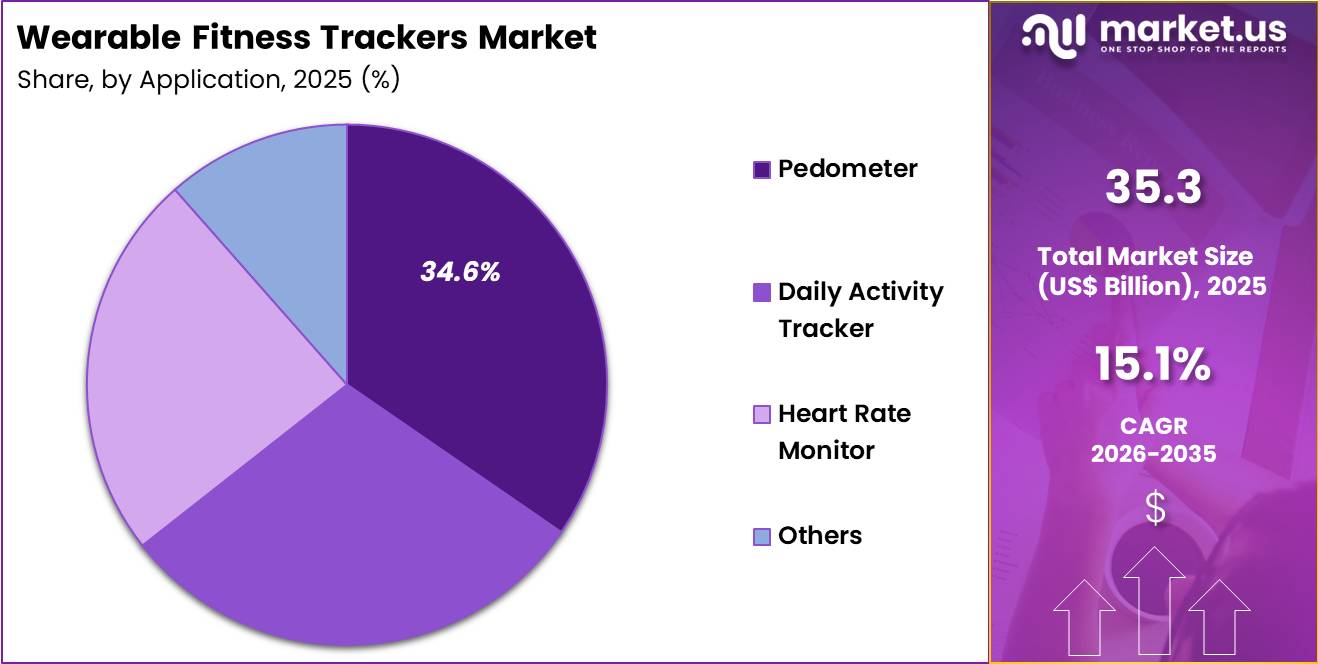
- Pedometers emerged as the leading application, holding 34.6% of market share.
- E-commerce channels dominate distribution, claiming 62.3% of revenue.
- North America remains the market leader with a significant share of 42.7%.
Product Types Overview
The wrist wear category is the most popular, constituting 58.9% of the product type market share. These devices are favored for their convenience and innovative designs, fitting seamlessly into users’ daily routines. The combination of features, such as step counting, sleep analysis, and smartphone integration, enhances their value. Consumer preference for stylish designs and customizable bands makes wrist wear appealing across various demographics.
The segment is poised for continued growth as manufacturers add longer battery life, enhanced sensors, and health-specific functionalities. Initiatives in corporate wellness and insurance-linked incentives are driving broader adoption, and affordable options are becoming available in emerging markets.
Application Insights
Pedometers account for 34.6% of market growth, primarily due to their appeal for straightforward physical activity tracking. Step counting serves as an essential metric for motivating individuals to move more and heightening awareness about health. Recent public health initiatives further increase interest in these devices across various age groups.
As sedentary lifestyles grow more common, demand for simple tracking solutions rises. Employers are utilizing step goals to encourage participation, while integration with mobile applications enhances user engagement through rewards and challenges. Low power consumption and continuous tracking capabilities are key advantages for this segment.
Distribution Channels Overview
E-commerce leads the distribution channels for wearable fitness trackers, representing 62.3% of market growth. Online shopping offers convenience, enabling consumers to compare products and access discounts. The model allows brands to gather insights directly from users, enhancing product development and responding quickly to market needs.
With the increase in digital payment systems and mobile commerce, e-commerce is expected to continue driving growth in this market segment.
Market Segmentation
By Product Type
- Wrist Wear
- Smart Garments
- Leg Wear
- Others
By Application
- Pedometer
- Daily Activity Tracker
- Heart Rate Monitor
- Others
By Distribution Channel
Overall, e-commerce platforms continue to lead in the marketplace.
Driving Forces
Growing health and fitness consciousness is fueling market demand.
The increasing recognition of the need for regular physical activity is driving the wearable fitness tracker market, as these devices provide real-time data to motivate users in their fitness journeys. Awareness campaigns and digital health initiatives are increasing consumer interest in monitoring health metrics.
Healthcare professionals also recommend these devices to promote wellness and prevent chronic health conditions. The continued rise in reported sedentary lifestyles emphasizes the importance of technologies dedicated to encouraging active living.
Challenges
Concerns regarding data privacy are hindering market growth.
A growing apprehension about the collection and storage of personal data by wearables limits consumer trust in certain demographics. Regulatory requirements necessitate manufacturers to invest in secure systems, complicating operations and potentially delaying implementation by healthcare providers.
Prospective Growth Areas
A surge in fitness segment revenues opens new avenues for growth.
Increasing revenue from fitness-related products indicates a substantial opportunity for wearable fitness trackers. Industry leaders are working on integrating more advanced sensor technologies for enhanced tracking capabilities, which align with the rising demand for comprehensive health monitoring solutions.
Influences of Macroeconomic Factors
Wider economic factors influence the wearable fitness trackers market by affecting consumer spending and inventory planning. Political uncertainties also impact supply chains, resulting in challenges regarding costs and timely delivery.
Current Market Trends
The integration of artificial intelligence into health insights is a key trend.
Recent advancements have seen the incorporation of AI to deliver tailored wellness recommendations based on user data, focusing on enhancing engagement and providing actionable insights.
Regional Highlights
North America is at the forefront of the wearable fitness trackers market.
With a share of 42.7%, North America capitalizes on its focus on preventive health. As wearable technology gains traction, users increasingly monitor vital metrics, supported by employer wellness initiatives.
The Asia Pacific region is projected to see the highest growth rate in the coming years.
Rising health awareness among urban populations is encouraging more individuals to seek digital solutions for fitness tracking, supported by increasing disposable incomes.
Key Global Regions and Countries
North America
Europe
- Germany
- France
- The UK
- Spain
- Italy
- Russia
- The Netherlands
- Rest of Europe
Asia Pacific
- China
- Japan
- South Korea
- India
- Australia
- New Zealand
- Singapore
- Thailand
- Vietnam
- Rest of APAC
Latin America
- Brazil
- Mexico
- Rest of Latin America
Middle East & Africa
- South Africa
- Saudi Arabia
- UAE
- Rest of MEA
Leading Competitors
Major players in the wearable fitness tracker market enhance their offerings through greater sensor accuracy and health insight analytics, integrating a broader array of biometric metrics to engage users. These companies pursue partnerships across fitness brands, insurers, and corporate wellness programs to expand their use cases beyond consumer self-monitoring.
Prominent Companies in the Industry
Recent Advancements
- In early 2025, Samsung’s Mobile eXperience division reported revenues of US$ 26 billion from its wearable products, driven by strong uptake of AI-enabled health monitoring.
- In 2025, Alphabet Inc. noted its “Google subscriptions, platforms, and devices,” which includes Fitbit hardware, achieved US$ 13.58 billion in revenue, driven by the integration of advanced AI features.
Conclusion
The wearable fitness tracker market is undergoing dynamic growth, driven by a heightened focus on health and fitness. These devices not only help individuals stay active but also incorporate advanced technologies to enhance user experience. As trends evolve towards AI integration and user-friendly features, wearable fitness trackers are likely to play an integral role in promoting holistic well-being across various demographics. Their potential for growth and innovation indicates a promising future for both consumers and manufacturers alike.